Consciouscarma
  • Home
  • About Us
  • Products
  • Community
    • Campaigns
    • Inspiration
    • Initiatives
    • CSR
  • Features
    • Sustainable Startup Stories
    • Travel
    • Lifestyle
    • Partners
  • Economy
    • Industry
    • Innovations
    • National
    • Global
  • Environment
  • Expert Corner
    • Authored Articles
    • Reports
  • Magazine
  • Contact
Monthly Archives

April 2021

cow in vedas
Authored ArticlesExpert Corner

The cow is called Dhenu in Vedas, the bestower of all bounties

by Team Conscious Carma April 29, 2021
written by Team Conscious Carma

The wonder of Desi Cow

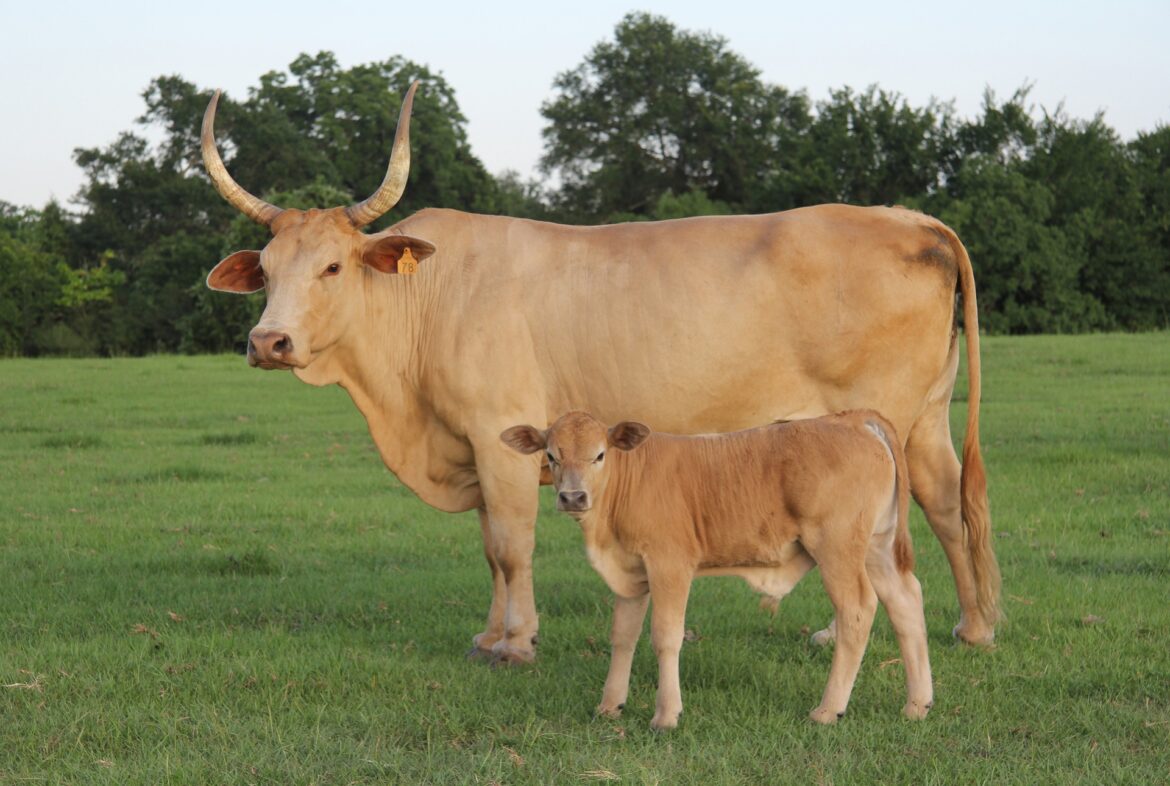
Ever observed a hump on the spine of a desi cow or bull? It is called the Suryaketu Nadi. When the rays of the sun (surya) fall on this nadi, then specific energy is channelized inside the cow/bull. When a cow and bull mate, this energy transfers to their calf and also to the milk that the cow gives. This milk is called A2. Today A2 milk is much in demand as it can be digested even by those who are lactose intolerant and it is known to cure various ailments. This is the wonder of the desi cow. Interestingly, the milk given by jerseys, which are not even cows, is called A1 and the milk from desi cow is called A2. This is the conspiracy of the West. We will start our discussion from here.

The cow conspiracy

When Britishers came to India, at that time, even the Mughals had imposed a ban on cow slaughter. Mughals came with the intention of settling here, the Britishers however were here to loot and plunder and go back to their own country. They wanted to make a colony out of India. Today we say with pride, ‘colonial’ furniture, ‘colonial’ architecture – these are in great demand. The joke is on us only. In 1760, Robert Clive set up the first slaughterhouse in Bengal. Within ten years, Bengal witnessed the worst famine of all times, where lakhs died. This was the conspiracy of Britishers, they knew cow is the backbone of our agricultural economy, if you remove the cow/bull, the economy will collapse. Clive who orchestrated this heinous crime, himself became an opium addict and killed himself using a knife…

The bestower of all bounties

All through the Vedas, the killing of cows has been banished and seva or service to the cow/bull has been emphasized. The cow is called dhenu in Vedas, the bestower of all bounties. To the countrymen who find sense in all things western, even the West acknowledges this. Today a therapy is in rage in the West, it is called cow-cuddling therapy – go to a gaushala and hug and pet a cow, and it will help rid you of your ailment. Follow them, if not the Vedas.

Nurse a cow and reap the benefits

Dhyan Foundation is running gaushalas all across the country to serve and nurture this wondrous animal. These gaushalas are home to thousands of stray, injured, sick or abandoned cows, bulls and calves including those rescued from the smugglers at the Indo Bangladesh border by the Border Security Forces. Volunteers and sadhaks devote their time, energy and resources to nurse these animals back to health, to reduce their pain and suffering. You too can join us and reap the benefits of serving this animal.

Click on the image to access our magazine to read the full article

–Yogi Ashwini, Dhyan Ashram

April 29, 2021 0 comment
0 FacebookTwitterPinterestEmail
Authored ArticlesExpert Corner

No Excuse To Avoid Sustainable Practices Anymore

by Team Conscious Carma April 28, 2021
written by Team Conscious Carma

Let’s talk about the economic viability of investing in nature.

The business world, by its very nature, is a world prone to undergoing major upheavals and changes on a rather regular and sustainable basis. Be it the introduction of robots in the manufacturing sector that speeded up the production process. Or others that reduced the costs or the implementation of newer, more efficient technologies in supply-chain and logistics that cut many insignificant expenses – the changes have been transformative. However, when looked at closely, all of these changes have one unifying factor at their core that makes them successful – profit.

Nature-positive business models cannot come at the cost of a company’s profit.

As a professional who’s been active in the business world, and fortunate enough to work with businesses across their life cycles, I have come to realize the importance of adopting practices that lead to a nature-positive economy, ie businesses that add value to nature. And how the effort from the entire business ecosystem is needed to bring about a sustainable change.

A New Era of a Carbon-Conscious Community

The business world is once again at the cusp of a massive transformation, perhaps its most significant one yet, whose consequences would be felt for a long time.

For decades, the business world brushed aside the ideas and suggestions to implement sustainable measures or invest in green development, not because it didn’t recognize its importance but simply because the move wasn’t economically viable. The lack of preference for eco-friendly products and services in the customers merely reinforced this status quo.

Today, there is a general awareness among people to adopt products and services which impact positively towards nature.

The falling costs of renewable energy sources, coupled with the increasing preference for eco-friendly products in the consumers and the rising demands for companies to reduce their carbon footprint, have all come together and created a unique opportunity for businesses to reduce their carbon footprint, a move that would not only provide significant environmental benefits but also tangible economic benefits.

In a report published by the World Economic Forum, experts predict that if the destruction of nature continues, as usual, it would have a huge impact on the economy and society at large. Globally, $44 trillion in GDP is potentially threatened by nature loss. The climate crisis is currently responsible for about 11 per cent and 16 per cent of biodiversity loss.

The potential for being environmentally conscious is enormous and has a measurable impact. The WEF report highlights opportunities towards a people and nature-positive development worth $10 trillion that could in turn create 395 million jobs by 2030.

The realization of the enormous financial advantages has spurred many companies to recalibrate their growth strategies and future development plans by putting green development at its centre. Many large corporates have broadly realized that transitioning to a nature-positive business model is in their interest. Leading manufacturer of packaging and graphic boards in South Asia, ITC has announced sustainable packaging solutions with the development of innovative B2B value-added paperboards. It covers environmentally sustainable, recyclable, and compostable materials.

P&G has also taken a step in its design to reduce its carbon footprint. The company announced a host of innovative products that can help save energy, water, and natural resources. Measures like optimization of detergent formulas for high efficiency at low temperature, cascade, and Fairy Automatic Dishwashing Tablets allow consumers to skip pre-wash and save water and the energy needed to heat the water. Such small steps will have a lasting impact.

Let’s Amplify These Voices

These are monumental changes made by huge corporations and must not go unnoticed. Their actions deserve to be amplified. It should inspire medium and small-sized organizations to follow suit. Concurrently, policy-makers must spur into action and incentivize the adoption of sustainable solutions at the grassroots. We cannot operate in silos. We have to join hands to make change happen for future generations.

With time, sustainable solutions will become the norm and help us to move towards a nature-positive economy. In September 2020, top automobile manufacturers faced a roadblock due to the Covid-19 induced lockdown. But Indian Railways provided them with an opportunity to ferry their commodities across the country in passenger train services. The industry has gradually utilized the vast network of Indian Railways to transport its vehicles.

This shift leaves a huge impact on the environment as transporting freight by train generates up to 80 per cent less CO2 and consumes 75-90 per cent less energy than road transport. The roads are also less clogged.

Change Can Be As Simple and Complex As We Make It To Be

It’s time for us to come together and think about the axis of the relationship between businesses and the economy. If we are to move towards sustainability, everyone has to come together. It cannot be one or two or even ten organizations. The exchange of knowledge among industry leaders – small and big – is crucial. Imagine the trickle-down effect of such a movement!

The onus is on the entire ecosystem. It’s on all of us.

Mr. Amit Banka, Founder, WeNaturalists

While working with Swades Foundation on holistic living projects in rural India, Amit Banka realized the need for mankind to coexist with nature, and more importantly, mankind’s dependence on it. The learnings from these interventions reinforced his belief that human interaction with nature needs to evolve to create a larger impact. This tremendously influenced his outlook towards creating WeNaturalists, an ecosystem of people from around the world, connected by their love for nature and enable them to explore new opportunities, collaborate on work and research, contribute to environmental causes, participate in global events, share knowledge, and learn new skills – all in one place.

April 28, 2021 0 comment
0 FacebookTwitterPinterestEmail
Clensta International hand sanitiser
AccessoriesProducts

Clensta International launches the Perfect Sanitization Kit – Germ Protection Lotion & Hand sanitiser

by Team Conscious Carma April 27, 2021
written by Team Conscious Carma

~A must-have during unprecedented times, the lotion combats & offers 99.9% germ protection with antimicrobial and antiseptic properties for 12 hours ~ 

Clensta International, a diversified and fully integrated health and wellness biotechnology company, with the aim to provide instant hygiene solutions to anyone, anywhere and anytime, recently launched their Clensta Germ Protection Lotion. The novel product offers 99.9% germ protection with antimicrobial and antiseptic properties for up to 12 hours and reduces the extended use of alcohol-based sanitisers and washing hands multiple times a day. The product can be used over any exposed part of the body including face and hands.. Given the research that has been published in the current times has shown that the virus is airborne and that it can be stuck on surfaces for hours. Hence it is important to keep all the bases covered with the Clensta Germ Protection Lotion and Clensta Hand Sanitizer.

The product is a breakthrough advancement in the formulation of engineering chemistry with first of its kind PAP Technology (Prolonged Antimicrobial Technology) to prevent bacterial, viral, and fungal infections without harming the environment and human health. The FDA approved product ensures the safety and efficacy of the product by ensuring all the regulatory compliance. Local manufacturing of the product actively supports the Make in India campaign and is an enabler of Atamnirbhar Bharat Abhiyaan and Vocal for Local Initiative. Clensta’s in house production cycle and manufacturing process creates Women Entrepreneurs by actively engaging women self-help groups widely.    

Clensta Germ Protection Lotion is manufactured and tested by Clensta Micro Biological laboratory incubated at IIT Delhi. The product has been formulated with the PAP (prolonged antimicrobial protection) Technology, where the active ingredients synergistically increase the effectiveness of each other at a particular concentration. It is a specially engineered formulation composed of three active ingredients which form a triplet complex of the nanoparticles + biosurfactant+ acid. The nanoparticles in the triplet complex are accelerated to provide long-lasting antimicrobial protection by slowly releasing the reactive oxygen species (ROS) on the skin surface. The biosurfactant and acid mixture disrupts the outer membrane of the viruses, on the other hand, nanoparticles release ROS that degrades the genetic material (DNA/RNA) of the viruses and bacteria. 

Clensta International

Clensta Hand Sanitizer with alcohol retention formula offers 99% germ protection with antimicrobial and antiseptic properties that make it a quick solution for all-round protection and freshness. A skin-friendly hand hygiene solution is effective against germs, bacteria and viruses to protect your hands in routine use.

“During these unprecedented times when the country is battling with its biggest virus outbreak, Clensta Germ Protection Lotion & the sanitiser rises up to the occasion to ensure that Indians and fellow humans across the globe can battle the situation with the right solution. The product is affordable & at the same time effective in combating the situation currently. As an Indian startup Clensta International, an IIT Delhi associated brand and market leader in innovative waterless hygiene Clensta has prioritized the launch of anti covid lotion – an essential commodity ensuring the maximum available production capacity in order to bring an effective product to consumers in the shortest possible time, given the dire need for the same. The product is made easily available near your local retailer and through the company website, retail stores and various online e-commerce platforms” stated, Mr Puneet Gupta, CEO & Founder, Clensta International.

The move augments the company’s hygiene portfolio, which currently has Waterless Comprehensive Antiseptic Body Hygiene Solution (Waterless Body Bath), Comprehensive Head Hygiene Solution (Waterless Shampoo) and Clensta Hand Sanitizer in the market. The launch comes in the wake of the second wave of the country battling the novel virus. 

A National Award Winning company; Clensta International holds recognition by Hon’ble President of India and was also selected among the best 05 selected for presentation to Hon’ble Prime Minister of India Shri Narender Modi.  This skin-friendly body hygiene solution is effective against germs, bacteria and viruses to protect hands in regular routine use. This innovative and eco-friendly Sanitization Kit is an easy, one-stop solution that can be used to protect from 100 illness-causing germs. 

April 27, 2021 0 comment
0 FacebookTwitterPinterestEmail
Authored ArticlesExpert Corner

Benefits of Sustainable and Clean Beauty & the Importance of Switching to Sustainability

by Team Conscious Carma April 26, 2021
written by Team Conscious Carma

Walking down the aisles of fancy products with minimalistic lettering, these products yell age-defying, skin brightening to pore-minimizing benefits with their “suspicious-six’’ ingredient list strategically mentioned on their luxurious packaging. 

Have you ever thought of cross-checking or even getting into a detailed understanding of the ingredients? If you haven’t, it’s time you must delve into the formulation list of each product before you make a purchase because there’s an ugly truth associated with the glorious beauty industry: animal testing and toxins. Luckily, there’s a clean way to be more conscious of your health and environment by choosing clean over chemicals. Clean beauty is the dawn of a new evolution in the beauty arena with an alternate range of natural, organic, toxin-free, cruelty-free beauty products. It’s no secret that clean beauty is widely celebrated for its sustainability and miraculous skincare benefits in the most eco-friendly manner.

Have you ever thought that your daily beauty regime has an impact on the environment? Did you know that we dump around 2.12 billion tons of waste every year, out of which 75 per cent of waste is from the beauty industry? Unfortunately, our environment is paying the price of our overwhelming consumption of plastic and toxic ingredients that are not eco-friendly. It’s high time that we all should make a switch to eco-conscious alternatives not only for the benefit of our health but for the whole planet. Choosing clean, non-toxic, cruelty-free beauty products with sustainable packaging will be a baby step towards bringing in a huge change in the beautiful panorama. From packaging to ingredient sourcing, the beauty industry is evolving to be more conscious and sustainable for you, the future, and our planet. Let’s find sense in sustainability to do our bit for Mother Nature. Here are a few reasons why sustainability is the need of the hour.

Recycling Product Empties

Clean beauty brands stand strong and strike off the most egregious beauty sin: not recycling the empties. This initiative has definitely brought a change in the beautiful landscape and stops your product from going into landfills. A small effort that has a big impact on our landmines and oceans, all you have to do is send back the product empties that you have purchased from them and let the planet be grateful to you for your deed.

Reducing The Carbon Footprint

Sustainable brands promise to serve nature and the environment with the most transparent and conscious practices. Using clean products free from nasties such as silicones ensures that the product has less of an impact on the planet with carbon emissions. And, this is an important concern to address as it is causing global warming. Our carbon footprint is responsible for causing carbon oxide and other greenhouse gases that eventually trap that sun radiation causing the earth to heat up.

You Can Use Refills

It is great for both the environment and your budget. Most of the clean brands have started refill programs, so you don’t have to keep stocking up on empties and discard outer packaging each time you finish your product. You can get your hands on the refill, which is just perfect for the environment and your pocket.

It’s Simple 

In the era of minimalism, simple formulations are not only good for the skin but proven to be eco-friendly too. We all should pick a product that is twice as nice and do the right job for you. Picking up multi-purpose, simple clean beauty products like lip and cheek stains can be the best way to keep two extra products from ending up in the landfills. 

You know what you are using

Clean beauty is all about transparency and formulated using ethically sourced, natural, and organic ingredients without any toxins and cruelty. An environmentally woke brand with plant-powered constituents is sure to keep your skin and planet happier and healthier. 

It’s never too late to start a non-toxic journey and be sustainable with your choices. A small step towards greener choices in favour of our planet will definitely make a difference. This time your actions will be louder than words, read the label before you purchase any brand. Always opt for a brand that resonates with your values and thought process and know that the power is in your hands to make the change and be the change. 

Consider all the factors: what is in it? Is it recyclable? How was it made? And you’ll know it. 

Naina Ruhail Co- Founder Vanity Wagon

DISCLAIMER: The views expressed are solely of the author and CONSCIOUS CARMA does not necessarily subscribe to it. CONSCIOUS CARMA will not be responsible for any damage caused to any person or organisation directly or indirectly.

April 26, 2021 0 comment
0 FacebookTwitterPinterestEmail
Authored ArticlesExpert Corner

Switch to conscious lifestyle products to restore Mother Earth

by Team Conscious Carma April 25, 2021
written by Team Conscious Carma

The ‘Pale Blue Dot’ is an iconic photograph of the Earth taken by a Voyager 1 in 1990, from about 6 billion kilometres away. When released, it instilled a deep sense of wonder and inspired an entire generation – to think about the vastness of the universe and the vulnerability of our existence. 

This realization may come to us in simpler ways too, just from daily observation. And it need not always be based on fear and alarm. Yes, a lot is wrong with the world today – our waste is growing, forests are shrinking, and the ocean is dying. At the same time, externalizing our motivation may sometimes lead to it being short-lived – the equivalent of a snow-blizzard making people think the planet is not warming up. 

Human presence on earth is but a blink in the planet’s history, but we have evolved to alter our world in ways no other species ever has. As such, when we think about sustainability, it is a helpful reminder that an individual lifespan is fleeting at best. Our love and admiration should be for something bigger – for the wonders of this planet, the amazing laws that govern it, and how we interact with them. If we base our motivation on this beauty, we may be able to take a longer view that outlives us – that we want to preserve this place – not for ourselves, but because it is worth preserving. 

Making conscious lifestyle choices is a small but powerful expression of this love. Of course, we need basics for sustenance, but being conscious about ‘how much we need is an extremely valuable step we can all take. 

In the globalized, industrialized world, supply chains are complex. An ingredient for a small, obscure product may be getting shipped from halfway across the world, maybe diverting resources critical to that local population, and if nothing else, will generate some form of waste. The key question to be asked is – ‘do I absolutely need this?’. After all, our demand fuels the production. 

The world today supports ~7.8 billion people, with resource demand out-pacing nature’s ability to replenish. However, much of this accelerated consumption is driven by recent trends and throwaway systems. India has been home to many traditional methods that are now emerging as ‘sustainable’ ideas; making cleaning clothes out of old shirts, sharing clothes and books, shopping locally and un-packed groceries, to name a few. Simple steps like these tremendously bring down consumption and wastage; that much lesser land must be cleared out for agriculture and waste landfills, those many fewer animals die, that much fuel is saved on production – it is extremely intuitive if we think about it!

So, if you are someone seeking a conscious lifestyle, begin with reducing. Shopping locally from eco-conscious brands is a great step, but the most sustainable product is the one we did not buy. It also helps to be mindful of the end-of-life of the product and its packaging; will it drain harsh chemicals into our soil and water? Can I re-use that plastic bottle as much as possible? Should I refuse to buy something with excessive wrapping? What will happen to this take-out container? 

As mentioned before, one cannot disregard that many of our ecosystems are at the brink of collapse. This realization can be overwhelming, sometimes all-consuming. But there is an inspiration to be drawn from large, collective action being taken across the world to slowly restore Mother Earth. And we can all contribute by making conscious choices, starting today. 

For this amazing blue dot. Home to all of us.

Gauri Gupta, Founder, Arani Ecosteps

April 25, 2021 0 comment
0 FacebookTwitterPinterestEmail
Environment

Global plan to protect world’s seas

by Team Conscious Carma April 24, 2021
written by Team Conscious Carma

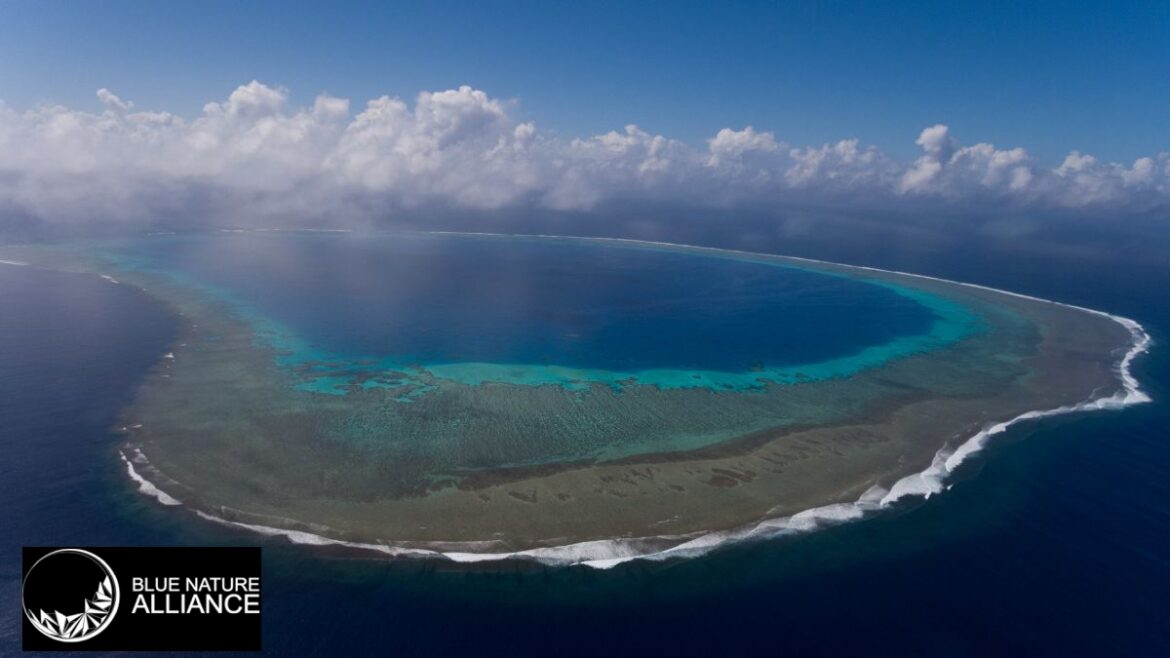
A new ocean conservation initiative, Blue Nature Alliance partners to protect and conserve 18 million square kilometres of the ocean (7 million square miles) over the next five years—an area larger than the continent of South America.

Blue Nature Alliance, is a collaboration led by Conservation International, The Pew Charitable Trusts, the Global Environment Facility, Minderoo Foundation, and the Rob and Melani Walton Foundation. The Alliance aims to expand and enhance ocean protections with a focus on working alongside Indigenous peoples and local communities, scientists and academia, and other partners.

The Blue Nature Alliance is working with governments and other partners on large-scale efforts in Fiji’s Lau Seascape, Antarctica’s Southern Ocean, and Tristan da Cunha to collectively secure protections over 4.8 million square kilometres (1.9 million square miles) of the ocean. The Alliance will soon engage in efforts in Canada, Palau, Seychelles, and the Western Indian Ocean. This will aim to strengthen and enhance the protection of nearly 2 million square kilometres (734,000 square miles) of the ocean. A pipeline of 18 additional Blue Nature Alliance engagements has been identified across North and South America, Europe, and the Asian Pacific region. The Blue Nature Alliance will announce the next round of locations in summer 2021.

“A Healthy ocean is key to our existence. It provides nutrition and employment for a majority of people around the world and half of the oxygen each of us breathes. Yet significantly less of our ocean is protected when compared to land,” said ‘Aulani Wilhelm, senior vice president of Oceans for Conservation International. “We must collaborate globally, in partnership with local governments and Indigenous peoples, to make the conservation of our ocean a priority. The time is now to take big practical action to move this work forward.”

The world’s ocean is under stress, it is facing threats from climate change, damaging fishing practices, and pollution. Science shows that protecting and conserving large areas of the ocean is necessary to support the air we breathe, regulate the climate, and maintain essential levels of biodiversity.

“From the coastlines to the high seas, we need to tackle conservation holistically and in partnership. Our collective efforts will help secure a healthy ocean that is more resilient to climate change and yields benefits to both nature and people,” said Tom Dillon, senior vice president for the environment at The Pew Charitable Trusts. “To boost biodiversity, fisheries, and economies, the Blue Nature Alliance will work with partners globally to apply science and lessons learned, and build on best practices to conserve our ocean at scale. We need this type of ambition to address the challenges facing our ocean today.”

The Blue Nature Alliance’s efforts support the push to protect at least 30 per cent of the ocean by 2030, a global conservation goal expected to be formally adopted at the United Nations Biodiversity Conference later this year. To date, less than 10 per cent of the global ocean is protected. The 30 per cent goal is widely agreed upon as the threshold needed to maintain a resilient and functioning ocean that supports the health of people and nature.

“Conserving 30 per cent of the world’s land and sea in the coming decade will require all of us to work together, with science as our North Star,” said Carlos Manuel Rodriguez, CEO and Chairperson of the Global Environment Facility. “It is heartening to see collaborative work underway in the South Atlantic, South Pacific, and Antarctica’s the Southern Ocean, and with work about to begin in even more locations around Palau, Seychelles, Canada, and the Western Indian Ocean. Through the Blue Nature Alliance, we will be contributing significantly to the 30 per cent global ocean conservation goal and ensuring we have the momentum to build on as we strive for our 2030 ambitions.”

To achieve its ambitious goal, the Blue Nature Alliance is creating a global network of partners dedicated to building on lessons learned from well-functioning marine protected areas and innovating new approaches to conserving large ocean areas, many of which have heavily incorporated the traditional knowledge and needs of local communities and governments into their long-term management plans – a practice that helps ensure resilience, both in funding and implementation.

“Engaging with local communities is essential to the long-term success of ocean conservation efforts,” said Dr. Tony Worby, CEO of Flourishing Oceans at Australia’s Minderoo Foundation. “Local communities rely on the ocean directly for livelihoods, cultural activities and recreation, so it is critical that they are involved in decision making that supports long-term sustainability. A measure of success for the Blue Nature Alliance will be to build community support for ocean conservation measures that are enduring.”

“Melani and I care deeply about the future of our planet and the communities that depend on nature for their health, livelihoods and culture,” said Rob Walton, co-founder of the Rob and Melani Walton Foundation. “That’s why we are pleased to be part of the Blue Nature Alliance – which brings together philanthropists, businesses, governments and NGOs to substantially increase and improve ocean conservation. Now is a critical time. The ocean is under immense pressure, and we all have a responsibility to help safeguard it.”

In addition to its five founding partners, the Blue Nature Alliance’s growing network includes world-renowned conservation experts, scientists, and financial strategists including Big Ocean, the Global Island Partnership, the Gordon and Betty Moore Foundation, the Murphy Family Foundation, Nekton, Oceana, Ocean Unite, the Tiffany & Co. Foundation, and SkyLight Surveillance and Enforcement Technology.

April 24, 2021 0 comment
0 FacebookTwitterPinterestEmail
AccessoriesProducts

Swaas launches Bamboo Bath Towels and Cutlery on Earth Day

by Team Conscious Carma April 23, 2021
written by Team Conscious Carma

With an aim to reduce environmental waste Swaas has launched eco-friendly products in their home essentials category to meet the rising need for sustainable products. The durable and absorbent bamboo bath towels and recyclable and biodegradable bamboo cutlery are unique products for the retail segment while being eco-friendly and sustainable. 

Sudha Anand, Founder, Swaas, said, “Swaas believes in helping the environment as much as possible. It was able to meet demands for antimicrobial home linen products during the critical time of the lockdown, overcoming logistical hurdles and gaining customer trust. In the last few months, we have responded rapidly to the needs of our customers, launching a range of hygiene essentials, including hand sanitisers, masks and PPE suits. This  new product range from Swaas will address the need of the hour in the kitchenware essential segment.”

Adding further, she mentioned, “We are witnessing a shift in consumer habits with a consistent pattern of being increasingly focused on personal and domestic hygiene and safety. Consumers now expect a wider range of such products to meet their daily needs from credible brands that they can trust, and we as a brand always strive to work on their feedback and inputs. This business direction is our way of meeting the shift in consumer demand and ensuring we offer high-quality environmentally friendly products at affordable price points. Through our integrated portfolio of sustainable home and lifestyle products we are here to offer ecologically conscious living for daily life.”

Swaas’ latest launch, Bamboo Towels are a blend of bamboo fibres and cotton. These soft Bamboo Cotton Bath Towels are a perfect combination of lightweight, softness, durability and absorbency. It has naturally moisture-wicking and odour-resistant properties. Bamboo Cutlery is made using bamboo fibre. Bamboo plates are suitable as they are toxin-free, biodegradable and eco friendly in nature. 

Swaas’ Bamboo Towels and Bamboo Cutlery will be available on the Swaas website: https://swaaslife.com/

About Swaas:

Swaas is a design-centric home brand that provides an enriching and fulfilling experience while shopping for home and lifestyle products. It is a premium brand known for its exclusive designs and fine quality. This women-led brand has 80-85% of the workforce comprises hardworking, dedicated women who have helped the brand surge ahead. As a brand, they have evolved consciously over the years and strongly believe in making respectful connections that work together harmoniously to create a better tomorrow, for everyone. Visit https://swaaslife.com/

April 23, 2021 0 comment
0 FacebookTwitterPinterestEmail
earth in a pot
Environment

Nurture Mother Earth: Our only mode of Survival

by Team Conscious Carma April 22, 2021
written by Team Conscious Carma

All living beings are dependent on it

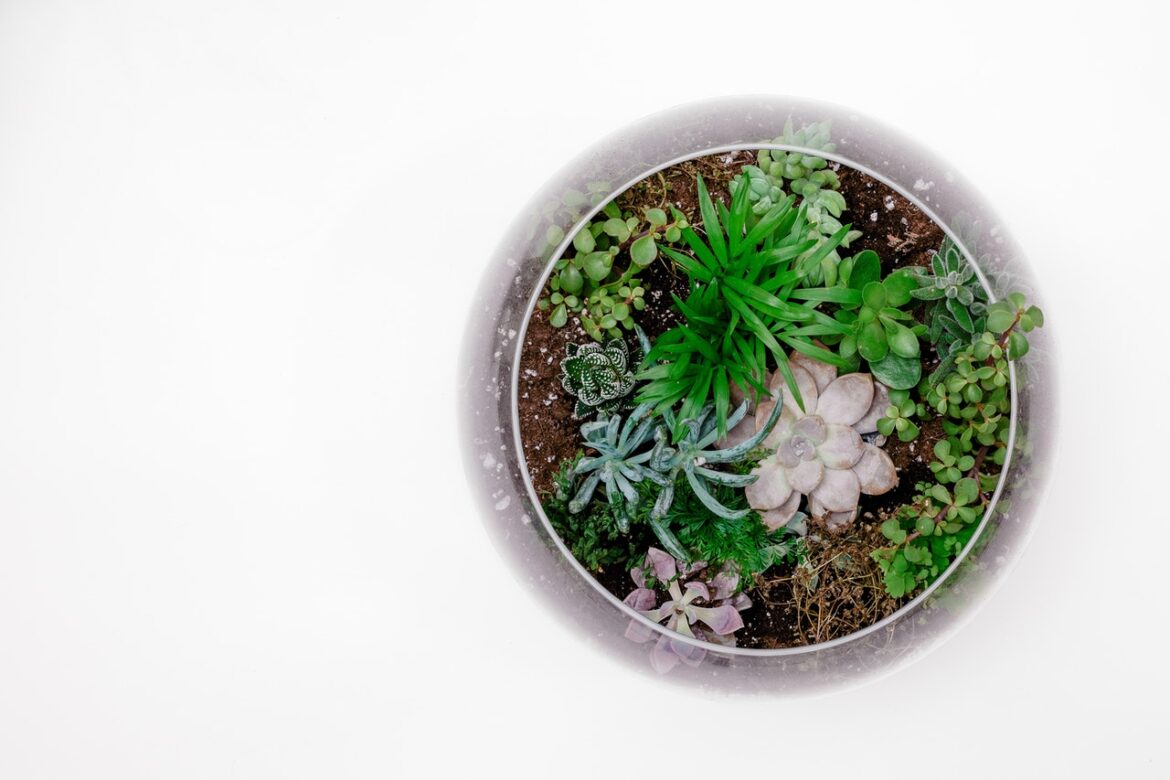
Our world is a beautiful place and it has sustained everything living on it for millions of years, Although our presence has done much damage to it, we still have a chance to change it. When we talk of the environment, it involves everything around us, not just weather. It includes all the animals, plants and human beings living on earth. The world population of 7.7 billion people represent just 0.01 per cent of all living beings. Yet since the dawn of civilization, humanity has caused the loss of 83% of all wild mammals and half of all plants.

Over consumerism is killing the Earth

We have made consumption our way of life, but our consumer society is currently destroying the planet. Everything we buy has global consequences. To illustrate, a simple meal for one person required 800 litres of water, 1.3 litres of diesel, 0.3 grams of pesticides, 3.5 kilos of carbon dioxide, and 10 kilos of topsoil. By 2030, the Global Ecological Footprint is expected to reach 2, meaning that we will need the equivalent of two planet Earth to support our consumption of products and services

Experts widely agree that human activities are harming the global environment. Since the Industrial Revolution, the world economy has grown dramatically. Overall this is a success story since rising incomes have lifted millions of people out of poverty. But it has been fueled by population growth and increasing consumption of natural resources.

Our consumer society is running amok. The global population is growing by the second. We are turning Earth’s resources into waste faster and faster. Rising demand to meet the needs of more than 7 billion people has transformed land use and generated unprecedented levels of pollution, affecting biodiversity, forests, wetlands, water bodies, soils and air quality.

Climate Change

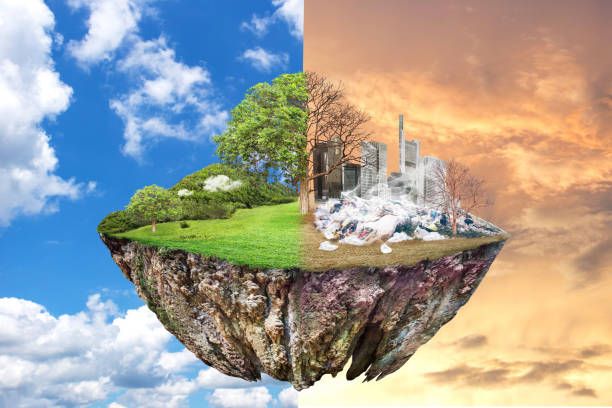
The planet’s average surface temperature has risen about 2.12 degrees Fahrenheit (1.18 degrees Celsius) since the late 19th century, a change driven largely by increased carbon dioxide emissions into the atmosphere and other human activities. Most of the warming occurred in the past 40 years, with the seven most recent years being the warmest. The past decade was the hottest on record. The year 2020 was more than 1.2C hotter than the average year in the 19th Century. In Europe, it was the hottest year ever, while globally 2020 tied with 2016 as the warmest. The exceptionally warm temperatures triggered the largest wildfires ever recorded in the US states of California and Colorado, and the “black summer” of fires in eastern Australia.

The threat of abrupt and irreversible climate change is growing. There is an increasing consensus that critical tipping points are approaching after which global warming will be impossible to stop. The loss of the Greenland and West Antarctic ice sheets would cause sea levels to rise 10 meters. This could happen already in this century. At the same time, global energy use will continue to grow by about 27% between 2017 and 2040. If nothing changes, most of this increase will be covered by burning more coal.

The potential future effects of global climate change include more frequent wildfires, longer periods of drought in some regions and an increase in the number, duration and intensity of tropical storms.

A Growing World Population

The world population will reach 8.5 billion by 2030 with almost 5 billion part of the consumer class. This will put even more pressure on Earth’s ecosystems. We have already used up more than a third of our natural resources. By 2030, the demands from 5.6 billion consumers will be draining the Earth for resources so fast that we need 2 planets to support us. And if everyone on the planet lives like western consumers, we would need 5 planets to support us.

A toxic planet

The global economy emits more than 250 billion tonnes of chemical substances a year, Many completely uncontrolled. And produces more than 400 million tons of hazardous chemical waste each year. Human-made chemicals have found their way into every single ecosystem on Earth causing scientists to label Earth “a toxic planet”.

The industrial activities that our modern civilization depends upon have raised atmospheric carbon dioxide levels from 280 parts per million to 414 parts per million in the last 150 years.

Facts about Waste & Pollution

  • Landfills are composed of 35% packaging materials
  • By 2100, the global urban population will produce three times more waste than today
  • Up to half of all food produced is lost or wasted before or after it reaches consumers
  • The equivalent of one garbage truck of plastic is dumped into our oceans every single minute. By 2030, it will be two truckloads per minute and by 2050, four
  • The speed of groundwater pollution doubled between 1960 and 2000
  • According to a 2018 article in Nature Magazine, the Great Pacific Plastic Garbage Patch stretches 1.6 million km2. That’s the size of Iran or over twice the size of Texas
  • Mining is considered the world’s Number One Toxic Polluter. Steel production, for example, results in 80 tons of toxic wastewater for each ton of steel produced

Forests

Since 1990 the world has lost 178 million hectares of forest (690,000 square miles) – an area the size of Libya. Over the past three decades, the rate of deforestation has slowed but experts say it isn’t fast enough, given the vital role forests play in curbing global warming. In 2015-20 the annual deforestation rate was 10 million hectares (39,000 square miles, or about the size of Iceland), compared to 12 million hectares (46,000 square miles) in the previous five years.

An estimated 45% of all carbon on land is stored in trees and forest soil. “Soils globally contain more carbon than all plants and atmosphere put together,” says Waring. When forests are cut down or burned, the soil is disturbed and carbon dioxide is released.

Facts about Natural Resources & other living species

  • According to NASA, the world’s rainforests will be gone by 2100 if the current rate of destruction continues.
  • When you throw plastic bags and other plastic materials in the ocean, it kills as many as 1 million sea creatures annually
  • An estimated 50,000 species inhabiting our tropical forests become extinct annually. That’s an average of 137 species a day
  • By 2070, the world’s coral reefs could be gone altogether
  • By 2050, there could be more plastic than fish in the world’s oceans
  • If all life on Earth was put on a scale, the human population would only make up about one ten-thousandth of the total weight of life on Earth.

Industries of the Agricultural Sector

Modern agriculture is the driver of 80% of deforestation and 70% of freshwater use globally. The rainforest could be gone by 2100 and fish stocks completely collapsed by 2050

Oceans

Since the beginning of the Industrial Revolution, the acidity of surface ocean waters has increased by about 30%. This increase is the result of humans emitting more carbon dioxide into the atmosphere and hence more being absorbed into the ocean. The ocean has absorbed between 20% and 30% of total anthropogenic carbon dioxide emissions in recent decades (7.2 to 10.8 billion metric tons per year).

The top 100 meters (about 328 feet) of the ocean showing warming of more than 0.6 degrees Fahrenheit (0.33 degrees Celsius) since 1969. Earth stores 90% of the extra energy in the ocean.

People & Poverty

Over 150 million children are working under dangerous or exploitative conditions. 40 million people work in conditions of slavery – more people than at any other time in human history. These men, women and children produce some of our everyday products. At the same time, more than 800 million people suffer from hunger.

Conclusion

Real change is needed. Not just from politicians and businesses – but from all of us. Without understanding the situation and without developing a deeper awareness about the lives we are living and the consequences it has, such changes are unlikely to occur. Today, more than ever, we need ideas, information and tools to help us live consciously.

Consumerism facts

  • Human consumption of Earth’s natural resources more than tripled between 1970 and 2015. Our use of natural resources to continue growing and more than double from 2015 to 2050
  • The consumer society is thirsty. Very thirsty. “There will be no water by 2040 if we keep doing what we’re doing today”, (Professor Benjamin Sovacool of Aarhus University, Denmark)
  • 27,000 trees are cut down each day so we can have Toilet Paper
  • Cotton production requires so much water that it emptied a whole sea (the Aral Sea in Uzbekistan). It has been called one of the worst environmental disasters in history
  • We use 5 trillion plastic bags a year, that’s about 1,60,000 bags a second
  • If current patterns continue. We will have emptied the world’s oceans for seafood by 2050.
  • Nearly 80% of the world’s fisheries are fully exploited, over-exploited, depleted or in a state of collapse. Globally 90% of large predatory fish, such as sharks and tuna are gone.

With inputs from theworldcounts.com

April 22, 2021 0 comment
0 FacebookTwitterPinterestEmail
Expert Corner

Earth Day 2021: A turning point for climate action

by Team Conscious Carma April 21, 2021
written by Team Conscious Carma

Earth Day 2021 marks a historic moment for action on climate change. President Biden Leaders’ Summit on Climate is unprecedented and he is expected to put forward ambitious national commitments.If the US halves its greenhouse gas emissions by 2030 compared to 2005, major governments would be committed to at least 60% of the effort required for the world to meet net-zero emissions by 2050.

There is still much diplomatic work required to close this commitment gap ahead of the COP26 climate summit in Glasgow in November, but it would mark a major political turning point on climate action.

The additional challenge is to now turn these political commitments into practical action, especially to get on track with emissions reductions by 2030.

A ‘once in a generation’ push for public-private cooperation

The transition to get on track for net-zero emissions may now be viewed through the perspective of a unique, decadal effort of public-private cooperation – a once in a generation push for an energy, industrial and agricultural systems upgrade, boosted by the need for a post-pandemic economic stimulus.

More than 1,000 corporations for example have now made net-zero commitments, and a United Nations-convened group of investors called the “Net Zero Asset Owners Alliance” now has more than $5 trillion of assets under ownership committed to this goal by 2050 or sooner.

We know we have 10 years to get on track. We know we must remove about 25 billion tonnes of CO2 equivalent of greenhouse gas emissions in that time. We know what sectors of the economy we must focus our efforts on.

Dominic Waughray
Managing Director, World Economic Forum

About World Economic Forum

The World Economic Forum, committed to improving the state of the world, is the International Organization for Public-Private Cooperation. The Forum engages the foremost political, business and other leaders of society to shape global, regional and industry agendas. (www.weforum.org).

April 21, 2021 0 comment
0 FacebookTwitterPinterestEmail
Media Coverage

Media bulletins, April 19, 2021

by Team Conscious Carma April 20, 2021
written by Team Conscious Carma

Consume Consciously to save Mother Earth

 April 19, 2021

Earth Day

  Save 

Share

Earth Day – Apr 22, 2021, Theme – Restore Our Earth

Do you know the World could run out of rain forests in 2100, food in 2050, fish in 2048 and water in 2040? The way the World is consuming, we would soon need two planets to satisfy our needs.

Over consumerism is creating havoc for the environment and natural resources. The growing population and their rising demands have resulted in depletion of natural resources, increased carbon dioxide emissions, pollution, climate change, and extinction of other living beings, etc. The entire ecosystem is in a state of imbalance which is resulting in increased number of natural calamities like wildfires, droughts and floods. Earth is the only source of survival of all living beings of which human beings constitute only 0.01 percent. Yet, since the dawn of civilization, humanity has caused the loss of 83 percent of all wild animals. half of all plants and have already used up more than a third of natural resources.

Poonam K Malhotra, Founder Editor, Conscious Carma Magazine

Poonam K Malhotra, Founder Editor, Conscious Carma Magazine

“We, as consumers have all the power and the right to demand what we want and how we want. All we need to do is raise our voice, not one, or two or three, but all of us need to realize the severity of the problem which has been caused primarily due to our consuming behaviour. Today, the oceans are filled with plastics which are the source of our drinking water and home to all the sea creatures, the land where we live alongwith other living beings, is filled with waste, the air which we breathe to live is poisonous. All this at what cost and why? The speed in which consumerism is growing globally, we will soon require resources of almost two planets to fill the demand”, says Poonam K Malhotra, Editor-in-Chief, Conscious Carma, a global magazine focusing on environment and sustainability.

Gauri Gupta, Arani Ecosteps

Gauri Gupta, Arani Ecosteps

“Plastic is so pervasive because it is durable, cheap and versatile – making it responsible for many critical advancements. But as a single-use material, years of indiscriminate use have created islands of toxic waste around us. A majority of this comes from packaging of our daily-use products, so reducing that can help in a big way” says Gauri Gupta, Founder, Arani Ecosteps, a startup creating plastic-free essentials.

Sujatha Krishnamurthy, Co-Founder, Ekobarn

Sujatha Krishnamurthy, Co-Founder, Ekobarn

“We all know the dangers that plastics pose. But very few of us are aware of the dangers of throwing our kitchen waste into landfills. While we might think kitchen waste is biodegradable and hence should not be a problem, did you know organic waste dumped in a landfill continues to produce CO2 and methane (aka global warming) for approximately 5-7 years? The debris will continue to pollute the air for at least 50 more years! Composting our own kitchen waste is the simplest step we can all take to begin to manage the tremendous waste management problem our country faces”, says Sujatha Krishnamurthy, Co-Founder, Ekobarn, a startup in providing innovative and fuss-free waste management solutions.

Debapriya Dutt, Senior Manager Outreach - India, EARTHDAY.ORG

Debapriya Dutt, Senior Manager Outreach – India, EARTHDAY.ORG

“April 22, 2021, will mark the 51st anniversary of Earth Day and the theme this year is ‘Restore Our Earth.’ We at EARTHDAY.ORG aims to inspire efforts to regrow green cover, rejuvenate aquifers, restore soil, refresh air, reduce and manage waste, encourage a switch to clean and green energies, and build environmental stewardship among all those who inhabit our planet. We believe in growing stewardship for the environment based on knowledge or climate literacy that will contribute to helping return nature to its pristine form”, says Debapriya Dutt, Senior Manager Outreach – India, EARTHDAY.ORG.

Checkout the full coverage here: http://mediabulletins.com/business-world/consume-consciously-to-save-mother-earth/

April 20, 2021 0 comment
0 FacebookTwitterPinterestEmail
Newer Posts
Older Posts

Recent Posts

  • Norwegian Cruise Line Holdings Publishes Annual Environmental, Social and Governance (ESG) Report Detailing Progress on Sustainability Initiatives
  • Norwegian Cruise Line Holdings Publishes Annual Environmental, Social and Governance (ESG) Report Detailing Progress on Sustainability Initiatives
  • Norwegian Cruise Line Holdings Publishes Annual Environmental, Social and Governance (ESG) Report Detailing Progress on Sustainability Initiatives
  • Norwegian Cruise Line Holdings Publishes Annual Environmental, Social and Governance (ESG) Report Detailing Progress on Sustainability Initiatives
  • Norwegian Cruise Line Holdings Publishes Annual Environmental, Social and Governance (ESG) Report Detailing Progress on Sustainability Initiatives

Recent Comments

  • Team Conscious Carma on Label Shivika Agarwal – where craft meets sustainability
  • Cocomeister.jp on Label Shivika Agarwal – where craft meets sustainability
  • Team Conscious Carma on Equitable City Designs To Fight Climate Change
  • UN report calls for repurposing of USD 470 billion of agricultural support that distorts prices and steer us away from environment and social goals | Consciouscarma on UNEP & ICMR collaborate to boost understanding of environmental dimensions of antimicrobial resistance in India
  • Wild Earth : Natural body products | Consciouscarma on Sat.Suma : the true essence of flowers in your everyday skincare needs

Keep in touch

Facebook Twitter Instagram Youtube

Recent Posts

  • Norwegian Cruise Line Holdings Publishes Annual Environmental, Social and Governance (ESG) Report Detailing Progress on Sustainability Initiatives

  • Norwegian Cruise Line Holdings Publishes Annual Environmental, Social and Governance (ESG) Report Detailing Progress on Sustainability Initiatives

  • Norwegian Cruise Line Holdings Publishes Annual Environmental, Social and Governance (ESG) Report Detailing Progress on Sustainability Initiatives

  • Norwegian Cruise Line Holdings Publishes Annual Environmental, Social and Governance (ESG) Report Detailing Progress on Sustainability Initiatives

  • Norwegian Cruise Line Holdings Publishes Annual Environmental, Social and Governance (ESG) Report Detailing Progress on Sustainability Initiatives

  • Norwegian Cruise Line Holdings Publishes Annual Environmental, Social and Governance (ESG) Report Detailing Progress on Sustainability Initiatives

Categories

  • Community (35)
    • Campaigns (3)
  • CSR (4)
  • Economy (81)
    • Global (24)
    • Industry (41)
    • Innovations (4)
    • National (2)
  • Environment (41)
  • Expert Corner (46)
    • Authored Articles (45)
  • Featured (3)
    • Partners (1)
  • Global News (2)
  • Initiatives (29)
    • CSR (2)
    • Events (5)
  • Inspiration (22)
  • Lifestyle (9)
  • Media Coverage (6)
  • Press Releases (1,063)
  • Products (119)
    • Accessories (25)
    • Apparel (30)
    • Beauty (25)
    • Food (3)
    • Gifting (3)
    • Home Décor (15)
    • Skin-Care (13)
  • Reports (3)
  • Spirituality (8)
  • Sustainability (38)
  • Sustainable Startup Stories (27)
  • Travel (19)
  • Uncategorized (2)
  • Wellness (25)
    • Home Cleaners (3)

Archives

  • June 2023 (339)
  • May 2023 (623)
  • April 2023 (120)
  • March 2023 (7)
  • February 2023 (3)
  • January 2023 (11)
  • December 2022 (18)
  • November 2022 (1)
  • August 2022 (6)
  • July 2022 (8)
  • June 2022 (24)
  • May 2022 (11)
  • April 2022 (19)
  • March 2022 (11)
  • February 2022 (11)
  • January 2022 (14)
  • December 2021 (10)
  • November 2021 (4)
  • October 2021 (14)
  • September 2021 (22)
  • August 2021 (12)
  • July 2021 (17)
  • June 2021 (17)
  • May 2021 (16)
  • April 2021 (22)
  • March 2021 (33)
  • February 2021 (16)
  • January 2021 (22)
  • December 2020 (10)
  • Facebook
  • Twitter
  • Instagram
  • Pinterest
  • Linkedin
  • Youtube

@2020 - All Right Reserved. Designed and Developed by Seatice Business

Consciouscarma
  • Home
  • About Us
  • Products
  • Community
    • Campaigns
    • Inspiration
    • Initiatives
    • CSR
  • Features
    • Sustainable Startup Stories
    • Travel
    • Lifestyle
    • Partners
  • Economy
    • Industry
    • Innovations
    • National
    • Global
  • Environment
  • Expert Corner
    • Authored Articles
    • Reports
  • Magazine
  • Contact