Consciouscarma
  • Home
  • About Us
  • Products
  • Community
    • Campaigns
    • Inspiration
    • Initiatives
    • CSR
  • Features
    • Sustainable Startup Stories
    • Travel
    • Lifestyle
    • Partners
  • Economy
    • Industry
    • Innovations
    • National
    • Global
  • Environment
  • Expert Corner
    • Authored Articles
    • Reports
  • Magazine
  • Contact
Category:

Home Décor

Home Décor

‘How to be more mindful while choosing home decor items’ – Neha Jhunjhunwala

by Team Conscious Carma April 16, 2023
written by Team Conscious Carma

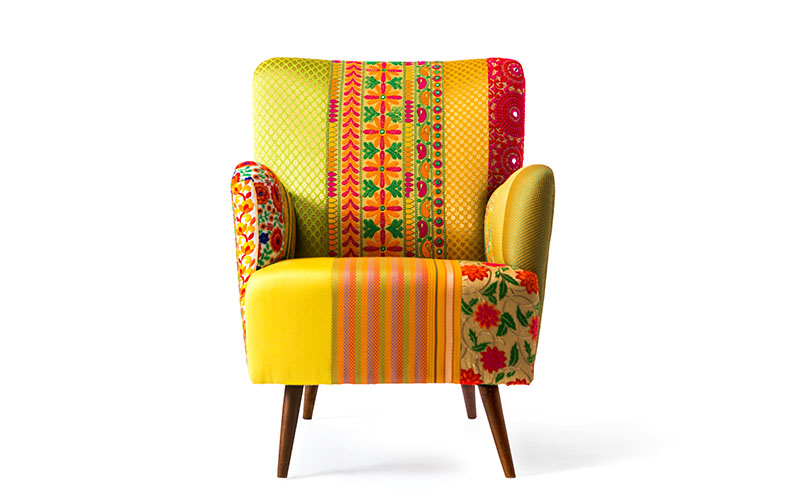
Your home is a reflection of who you are- from both inside out. It showcases your inner mindfulness and calmness. Also with the changing environmental and social conditions, we more than ever need to be mindful of what and how we decorate our homes. Reinforcing the principles of wellness starts with our own personal spaces, and there are easy ways to use home decor to inspire mindfulness in everyday life.

Probably the most important ideal of mindfulness is to make sure that each object we use in our home serves a purpose. While impulse buying may be tempting when redecorating when there are so many beautiful products available in the market- consider the reasons that a piece of home decor speaks to you before making a purchase. Let’s buy new items sparingly- only when we have a specific requirement or we feel they will contribute to our space in a positive way. Always remember its quality over quantity.

Another way of making your home more peaceful and calm is by ensuring there is a lot of natural light. It also helps boost our mental health. To ensure maximum exposure to sources of Vitamin D, like sunlight, consider switching to sheer panels or even removing curtains entirely to let in as much natural light as possible. Secondly, as we all know, when you are relatively closer to nature, it automatically brings positive results for your well-being and wellness. Nature after all does have healing powers.

A mindful home sees beauty in everything, even a trash can or laundry bin. To ensure this cornerstone of mindfulness translates in your home, consider giving a makeover to items that are traditionally considered less appealing. Let’s add beauty to unappealing corners of the house.

As it is shown in the KonMari method: decreased clutter leads to decreased stress. Decluttering is a very important and effective way to bring mindfulness into your home. After all, there are many of us who find cleaning therapeutic, don’t we?

This should be like a daily basis practice because decluttering once is like not decluttering at all. And lastly and most importantly, let us pick colours that resonate with us- colours which make us calm and happy. Pick colours that you feel most attracted to and most comfortable with. So next time when you go shopping for your home décor products let’s keep these points in mind and pick up stuff that works well in your home but also for the mind and the environment also in general.

Neha Jhunjhunwala, Founder, Onset Homes, is a textile specialist who started her career in her family’s textile export business for fashion and home decor. Neha graduated in Textile Design from Philadelphia University and gained extensive experience and knowledge in the industry. In 2004, she launched her label, followed by a concept store that housed some of the biggest brands, earning the title of “the pride of Kolkata” by leading publication ‘The Telegraph’. During this time, she also taught textiles at the Srishti Institute of Art, Design, and Technology and was a visiting lecturer at Philadelphia University and JDBI, Kolkata.

In 2020, Neha redesigned Onset Homes with a focus on reviving the handicraft sector and bringing artisans to the forefront who celebrate the raw imperfections of Indian kaarigari at a national and global level. Her aim is to provide a platform for artisans from rural and urban settings to showcase their beautiful creations and enable customers to appreciate and own these masterpieces crafted with passion and dedication. Neha uses natural fibers such as cotton, linen, and silk, and her products incorporate multiple techniques including printing, embroidery, and surface texturing with pom-poms or tassels.

In addition to B2B channels, Neha offers customized soft furnishings to clients building luxurious homes or boutique hotels. She is also an expert in upcycling and repurposing fabrics, making her designs truly unique and special.
April 16, 2023 0 comment
0 FacebookTwitterPinterestEmail
Home DécorWellness

Baro Design – Design for mindful living

by Team Conscious Carma July 27, 2022
written by Team Conscious Carma

Baro Design, a Mumbai based studio that brings design into our daily lives through focus on handcrafted furniture and lighting. “Each piece is crafted using well-seasoned, reclaimed teakwood. This means the wood has lived a previous life probably as an old door, a ceiling rafter, a pillar, or a wise old bookshelf. Using reclaimed wood found us a way out of our dilemma, between our love for trees and that of ripe, rich wood. We are not apart from nature, and it is only through our symbiotic coexistence that we will achieve balance”, says Siddharth Sirohi, the founder of Baro Design.

Siddharth, a multi-faceted designer, who co-founded the iconic store Baro, in 2016, is being  awarded the first ever Lexus India Design Award for Furniture and interior accessories in 2018. He also has a film career spanning over 15 years in Production Design, which has earned him a Filmfare nomination. He is a Yoga practitioner, an active mountaineer, a photographer and a painter, and strives to live a life where every moment is as complete as a lifetime.

Motivation behind the launch of  Baro Design

I was faced with the choice of continuing to make furniture or find something completely new to do. The more important understanding for me was to go through the process of understanding why it is that I do whatever it is that I do. That journey led me to realise that everything that I do will have the same common ground. Since I had been working with furniture I decided to bring that understanding to the field and Baro design was born as a design studio.

Philosophy

To design meaningful objects that inspire us to pause, reflect, and discover ourselves just that little bit more. We marry the lightness and play of modern palates to the gravity of old wood and time-honoured craft techniques. The approach is old school, relying on traditional wood joinery methods, but the result is as timeless as it is contemporary.  At Baro Design, we wish to celebrate the slow passage of time, expanding each simple moment into its fullest.

Roadblocks

The largest of the road blocks was getting to the people. Once people are aware of our philosophy and work, it’s a lot smoother from there. If at all, I would consider the perception of the value of furniture as perhaps another road block. We carry notions of what the monetary value of something should be, for furniture, that is perhaps on the lower end of the spectrum. People shell out large amounts on cars and phones which will last them a few years at best, but furniture which is designed to last a lifetime is considered expensive. It needs to be seen as an investment, because you build a long term relationship with it, and is something that can be passed down generations.


Major milestones

 Having clarity on our core philosophy. We were able to crystallise why we do what we do so that all our work resonates with the same ideas and we have a clear design language. At the core of it rests the idea that good design can help bring our awareness to the present moment and our experiences can be fuller and more mindful. We have five core principles that the philosophy rests on and sustainability is one of those pillars.

Vision for Baro Design

  The vision for us as a studio is to use design to help live more mindfully. Whether it’s the way we sit or our behavioural aspects. How to use design as a tool to create the desired result. Whether it is being more mindful of the food we eat, our postures or the emotions that we need to elicit. It is about slowing down and absorbing more of life. We also like to challenge existing norms of interior design and even the conventional idea of furniture itself. It also means going back to ancient wisdom and drawing from that learning. Whether it is the way we sit or the way we behave. Practices such as yoga and vipassana mindfulness are a great resource for us. We would like to bring more of that into peoples’ lives.

July 27, 2022 0 comment
0 FacebookTwitterPinterestEmail
Home DécorSustainability

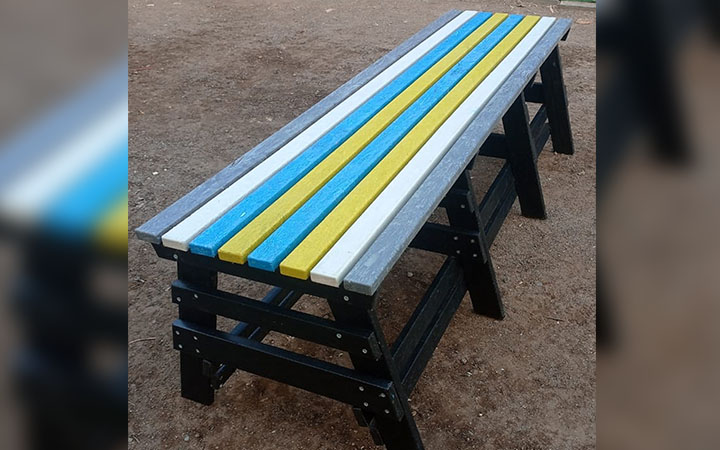
Econiture – Furniture from 100% recycled Plastic – Recycle Bell Private Limited (RE-BELL)

by Team Conscious Carma July 25, 2022
written by Team Conscious Carma

Inception

A conference on waste management during his MBA tenure, intrigued Madhur Rathi, CEO and Co-founder of RE-BELL, about the subject and he started researching more about the field. After his MBA, he joined a waste management company and learnt many more insights about it.

While working, he saw that recyclers are mixing “Virgin” or new plastic with recycled or reprocessed plastic to make products and wanted to  make a product in which no “Virgin” plastic was used and it is equally or more durable than virgin plastic. Due to some family issues, he  had to leave his job and come back to his hometown Amravati and there with his  3 childhood friends, he started Recycle Bell Private Limited (RE-BELL) in 2017. The company collects waste, segregate it and sell it to other recyclers for further recycling. The  focus is on the dry waste component, which accounts for 20-25 percent of total garbage and is difficult to manage.

After 1.5 years of R&D, they finally launched Econiture in 2019 which recycles post-plastic waste into wood-like lumbers for furniture and home décor. They started with 20 SKUs and now we have more than 150 SKUs. Recycling garbage into new products is Re-Bell’s business model. The company’s ultimate goal is to recycle everything.

Madhur Rathi. CEO and Co-founder at Econiture, RE-BELL

Bottlenecks

During the initial phase, we faced lots of resistance from informal sectors. Secondly, people weren’t, and largely still aren’t, segregating waste into dry and wet waste, making it more difficult to segregate it further, as inorganic and organic waste are mixed together. Due to this, resources were lost as they couldn’t be segregated. Also, it is a highly labor-intensive business and if labor is absent, segregation becomes a bottleneck process. There are machines available for segregation that require less manpower but they are costly compared to labor. Sorting and washing are important, to recycle plastics. When you have a mixture, the mechanical properties go down very quickly. So, you must obtain all the different plastics out of the waste. Therefore,  sorting techniques are very important. But for some products, it is quite difficult. For instance, in the packaging you have multilayer plastics, with sometimes four to seven kinds of different layers, separating them isn’t possible. That is a big issue in recycling plastic packaging.

Milestones achieved

In 2017, we started with 5000 kg per month of waste collection. Today, we are doing 80000 per month. We started as a waste management company and in 2019 we launched our own recycled product “Econiture”. 

We have collected and segregated more than 2500 Metric Tons of dry waste. We have recycled more than 20000 kg of plastic waste into furniture. We have sold more than 1800 units of Econiture furniture to more than 1200 unique customers across 25 states and 5 union territories. According to BIR, we have saved more than 16000 Metric Tons of CO2E(Equivalent). We collect waste from more than 300 waste generators and are connected to more than 200 waste pickers in and around Amravati. We are also in a barter model with 10 municipal councils where we purchase segregated dry waste from them and provide them with furniture of an equivalent amount.

Impact created

  • 2500+ MT- Waste diverted to recycling            
  • 20000+ Kg– Plastic waste recycled into furniture      
  • 300+ Waste generators connected

Social Impact:

  • 30% Increase in income of waste picker due to our efficient collection system and fair pricing                –
  • 70% of our workforce are women

Environmental Impact:

  • 2100+ Cu. ft of wood saved by making recycled plastic furniture                                      
  • 16000+ MT of CO2 Equivalent mitigated

Mission

To divert the maximum amount of dry waste possible from the landfill towards recycling.

Vision

The core vision is to create a better environment for one and all through innovative ways of waste management. We aim at producing eco-friendly products at affordable rates to bring in a sustainable and efficient circular economy system for dry waste management along with all the relevant stakeholders (formal as well as informal). Econiture envisions providing recycling solutions to every recyclable and creating an efficient eco-friendly business for the long run.

July 25, 2022 0 comment
1 FacebookTwitterPinterestEmail
Authored ArticlesHome Décor

Sustainability in the Interior Design Industry Opportunities and Challenges

by Team Conscious Carma June 29, 2022
written by Team Conscious Carma

By Deepika Jindal, Creative Head, JSL Lifestyle Ltd – In order to produce long-lasting, high-quality designs with minimal environmental effect, waste, and pollution – sustainable interior design must be consciously incorporated. Innovation is critical when it comes to creating these spaces. From planning to design, construction, operation, maintenance, restoration, and demolition, one must rely on ecologically responsible and resource-efficient techniques at every step to create a sustainable ecosystem.

Ranging from resource depletion and biodiversity loss to health impacts and trash generation, materials contribute majorly to the way spaces work. It is crucial to comprehend the journey these resources take, and also if their transformation into goods is sustainable. For instance, are the materials obtained responsibly and ethically? Are employees paid a liveable wage? Is their workplace safe and sanitary? Are the materials treated with harmful substances? Do the building’s materials contribute to its efficiency? If they are renewable, are they responsibly renewed?

From thermal performance to general durability, determining an interior’s environmental impact is imperative. However, the process of vetting sustainable materials is still a weak link. There is a lack of consistency and reliability that can authenticate the virtues of sustainable materials among designers. Despite these obstacles, few businesses and organisations continue to provide transparent and diligent materials with standardised information to promote environmental objectives. Designers can embrace this as an opportunity to independently reduce, reuse, and recycle resources by employing alternative materials and monitoring waste generation.

Technological advances in material science have resulted in the development of substitutes, such as stainless steel, that seek to meet all modern requirements while having the least environmental impact. Using stainless steel in interior design opens up a world of possibilities, such as the ability to customize and combine components, as well as resistance to delicate design elements. Given the environmental consequences of most materials, stainless steel is a significant calling.

Blended in style, luxurious craftsmanship, and environmental empathy, the AID community can pick on the stainless steel culture and turn it into a must have. After all, even legendary car maker Ferrari chose to embellish its historic property in Maranello, Italy, with this haute-couture overlay on the 7,000 square metres of the building exterior. For the uninitiated, the iconic Ferrari factory’s present facade is covered in sheets of reflective red steel. Interestingly, glass and stainless steel with a mirror finish are two of the most common materials utilised for modern buildings’ exteriors. The reflective glass used in the glass modules is meant to mimic the appearance of reflected steel while also limiting solar heat gain

Stainless steel has been employed in interior design for decades because of its effective functionality. As pioneers in reimagining stainless steel into artful tableware and décor pieces, we have closely observed the evolution of this material into collectible masterpieces. Firstly, its capacity to be coloured in over 220+ hues makes it an attractive material for design.  Secondly, stainless steel is durable, 100% fire resistant, moldable and rust resistant. Furthermore, it can be applied to create wall speartes, planters, cladding, wardrobes, vanity, chandeliers, lamps, mirrors, and several other products.

Having led a group of creative designers at Arttd’inox, I have witnessed how a culture of creative collaboration is redefining the ways stainless steel can be interpreted, highlighting the material’s genuine chic potential in everyday life. Designers can appreciate its aesthetic qualities and futuristic appearance by incorporating it into contemporary decor.

Did you know? All stainless steel kitchens are termite free, hygienic, durable, and environmentally friendly. In fact, the most recent innovation in this area is an ‘all stainless steel kitchen’ concept with over multiple colour options and top-notch German finishes. These kitchens combine innovative contemporary design with great utility

To top it all off, stainless steel light reflections are nothing short of magnificent. It can be used repeatedly to polish surfaces, resulting in a glossy sheen. The polished mirror finish produces an excellent lustre, and its reflection displays a gentle contrast, adding to the beauty of any product. Moreover, the silvery appearance complements virtually all aesthetics and offers daring combinations with rich woods, leather, lacquer, and other matte materials. Additionally, the fact that it is available in 220+ colours makes it an ideal choice for interior design.

Combining innovative design with environmental and social considerations displays a purposeful and authentic design philosophy. From harsh weather to melting ice sheets and rising sea levels, there is no denying that sustainable solutions are the need of the hour. Therefore, it is time to reinvent the components and objects of daily existence as graceful designs and unique avatars that not only indulge the eyes and please the soul, but also improves the environmental condition of our planet.

Ecologically friendly interior design is an interconnected system. There is a ripple effect that begins with you (and your loved ones) in your own home, linking to the earth and reverberating outwards to your neighbours, the people who created your home goods

(and to our communities at large). Finally, our world’s economics and cultures form the outer ring of this ecosystem. This holistic approach encourages us to look more broadly about what we bring into our house and gives us more options for styling our interiors for both beauty and effect.

June 29, 2022 0 comment
0 FacebookTwitterPinterestEmail
Home Décor

Handcrafted Platter collection by ORVI & HOME Bespoke blend of artistic design and style

by Team Conscious Carma March 12, 2022
written by Team Conscious Carma

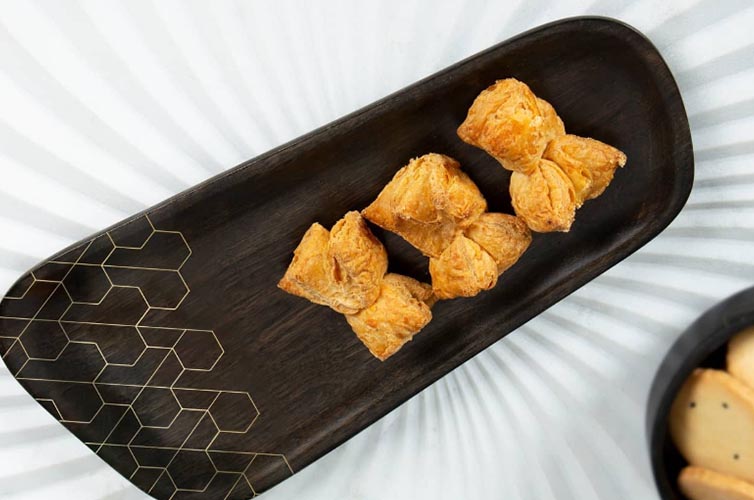
When upgrading your serveware, style and functionality must come first. Look no further than these serving platters, carefully handcrafted from eco-sustainable materials in exquisite designs, the intricately handcrafted pieces blur the lines between functionality and grandiose for luxury spaces. 

The platters are conceptualized from the tender nuances of everyday life, blending organic shapes and earthy tones, and adorned with environment-friendly materials and forms. A perfect union of indigenous materiality with ancient craft techniques & bold designs translates to a curated kaleidoscope of sustainable home pieces. The idea and the genesis of our objects encapsulate creative thinking, innovation & quality control, where each masterpiece tells an emotive story.

Crafted in fine Greek white marble and inlaid with a pristine Mother of Pearl Damask flower design, making it perfect for adding an artistic flair to your home. The deep richness of black limestone offers the perfect backdrop for a colorful array of food in these handcrafted serving platters. The geometrical contrast of the loose edged rectangle board and round scoop out works wonderfully, adding utility and aesthetics to your kitchen and home. Ornate Oleander flowers represent endless charm, and they stand out beautifully in the form of captivating brass inlay which is done by hand on this platter collection. From smoky cheeses to tart fruits, serve it all on this one-of-a-kind platter. Not just as a platter, use it as a Trinket tray to keep your precious earrings, rings, clips, broaches and accessories. Buy it for friends and family to create lasting memories of special occasions, or simply celebrate your weekends with a small feast on this luxurious platter.


Under the creative leadership of Sanjeev Agrawal, more than 60 skilled artisans use varied traditional craft techniques from across the world at Orvi including stone carving, hand sculpting, intricate metal inlay, stone–in–stone inlay, raku firing etc., to create bespoke & timeless home pieces as well as surfaces, using varied materials like natural stone, wood, metal, liquid metal, ceramics and glass. Orvi blends creativity with craftsmanship, technology with tradition, and western aesthetics with artisanal crafts from Asia and beyond. Above all, Orvi is driven by a vision that infuses the world’s finest crafts with the verve and vibrancy of contemporary design. So, revel in the brilliance of Orvi’s impeccable craftsmanship and artistry in this perfect assortment that celebrates refined living for modern homes.

Price: Price on request
Availability: https://www.orvi.com/


About Orvi

Orvi Surfaces is a brand known for creating innovative surfaces, with a fine blend of craftsmanship & technology. Working with more than 200+ in house artisans, Orvi uses varied traditional craft techniques from across the world including stone carving, hand sculpting, intricate metal inlay, stone –in-stone inlay, raku firing etc., to create bespoke & timeless surfaces using exquisite materials like natural stone, wood, metal, liquid metal, ceramics and glass. As a brand, the team at Orvi is always working towards creating innovative and uniquely beautiful surfaces for all parts of the building envelope; both for interior and exterior applications. At Orvi, bespoke services and projects are an integral part of our whole approach.


March 12, 2022 0 comment
0 FacebookTwitterPinterestEmail
Home DécorProducts

TRUNKIN’ introduces Tribal kitchenware Collection

by Team Conscious Carma February 26, 2022
written by Team Conscious Carma

 TRUNKIN’ an initiative to support the local artisans and craftsmen has recently launched their tribal kitchenware and ceramic collection. The collection comprises the Ceramic and Trays and Chopping boards in the serve ware category apart from White Wood and Dark wood collection from the Kani and  Gondi tribes respectively.

The spring Ceramic Collection

During the second wave that this country endeared, the artisans who dealt with ceramic and production of ceramic goods were left in dire straits. Khurja, aka The Ceramics City is the cluster of Artisans which has been contributing to the legacy of Indian handicrafts for generations. Material clay is one of the fundamental ingredients to this pottery and industrial oxygen is what binds the entire piece of art together. It was thus that giving them the support at the time of  need, became Trunkin’s foremost aim. Having already shipped this stock to its US counterpart is now launching the same in India. Once again in tribute and ode to those who keep the identity of this country going, it’s our time to give back. 

 The ceramic collection from Trunkin’ is apt for a spring get-togethers and parties. The lovely colours and designs go well with the colourful spring season. 

Wood based Serveware Collection – Trays & Chopping

Their collection of Mango wood is based out of their cluster of artisans from the province of Saharanpur. It is Trunkin’s very own tribute to the forest dwellers who reside near the forests, live on them, and are also responsible for their preservation. These unsung heroes have contributed immensely to Indian handicrafts and it is thus our dark wood or ebony based finish of products is named the Gondi Collection and Satinwood (white finish) is called the Kani Collection. Both names of tribes who procure and curate their relative share of wood.

Kani Tribe (White Wood Collection)

 The people of the Kani Tribe reside in Agasthyamalai hills of Tamil Nadu. They use and thrive on the leaves of the C. Swietenia, the tree that in the commercial world is called Satinwood. Trunkin being a concept that arose to serve and provide for the sustainability of the artisans of India, dedicates its collection to the masters of preservation of wood. The forest dwellers that have taken form as the messiahs of wood and have gone unnoticed doing the same.

Gondi Collection (Dark Wood Collection)

The Gond tribe residing in the interior of the Deccan peninsula of India is one of the most populous of all tribes in South Asia, they’re known for the use of black magic and witchcraft. However, another of their primary functions is the use of  Tendu leaves (Ebony). They use it for their economic well-being as they are skilled in the Art of wooden cravings. The reason for this tribute is because ebony authentically has a dark finish associated with its produce, which is why this particular collection of Artisans curation is being named the same.

Availability –

Amazon (India and USA Store), Meesho, and LBB

Website – https://trunkin.in/

February 26, 2022 0 comment
0 FacebookTwitterPinterestEmail
CarbonCraft™
Home DécorProducts

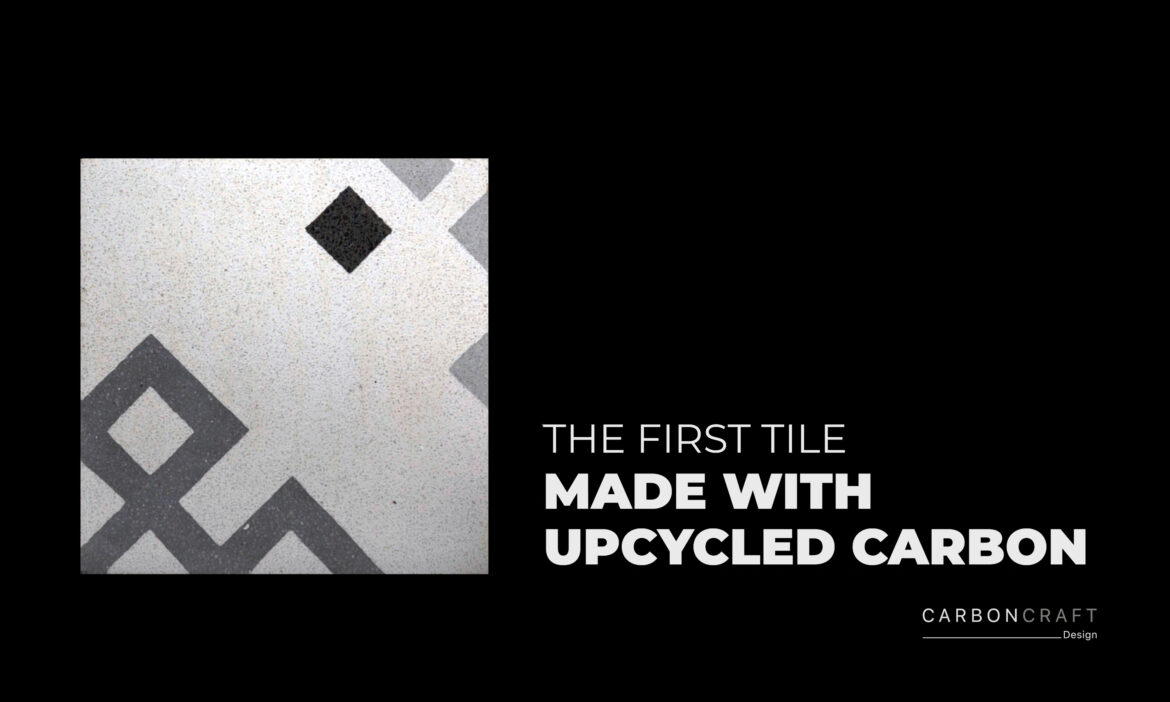
CarbonCraft™: World’s first Tile made using upcycled carbon

by Team Conscious Carma November 24, 2021
written by Team Conscious Carma

CarbonCraft™, a Goa-based startup by Tejas Sidnal, has developed CarbonCraft™ Tile – a first of its kind to be made using upcycled carbon – that aims to prevent carbon emissions at scale through conventional building elements.

CarbonCraft™

Once in a lifetime pandemic has claimed over 2 million lives while air pollution kills 4.2 million people every year. 14 of the world’s 20 most polluted cities are in India. This is the most important health risk of our time. Among the toxins present in the polluted air, Particulate Matter (PM particles) are the most dangerous. Presently, 9 out of 10 people live in places where air quality exceeds WHO limits.

Air pollution has two problems:

  1. How to capture or collect carbon?
  2. What to do with the captured or collected carbon?

It is essential to address both of them to solve the big problem of air pollution completely. From our journey so far, we realised that there are various methods to capture/ collect pollution, but the next big question is what to do with the resulting carbon. Either they have to be burnt or dumped polluting our air, land & water. This directed us to solely focus on the potential and scarcity of carbon utilization solutions as our long term vision.

We have been encountering multiple companies who are addressing the first problem from tyre pyrolysis waste, crop burning, ambient pollution and indoor pollution. Previously we collaborated with one of them to build upcycled carbon products. Our cross collaboration mindset has helped us understand and look for solutions beyond mainstream understanding of air pollution. As we move ahead, we envision to solve air pollution from multiple aspects of industries, geographies, and people. CarbonCraft™ is set out to find alternate ways to upcycle this carbon into new useful forms especially for the building and construction industry. We collaborate with various capture capture/ collection companies to develop higher-grade carbon upcycled products for businesses and end consumers. Through this process, one of the carbon utilisation problems we identified was intriguing and required our immediate intervention.

Causes of air pollution have always been seen from a mainstream point of view which is through exhaust emissions from vehicles, chimneys, and factories. The frightening and apparently invisible problem is that while exhaust emissions have been tightly regulated for many years, waste tyre management is totally unregulated. With the ever-increasing growth and demand for tyres for all types of vehicles especially Electric Vehicles, the result is a humongous accumulation of waste tyres in India and other countries.

There are only two ways to deal with tyre wastes. Open incineration or Pyrolytic degradation. While the former is obviously dangerous and prohibited, the later, pyrolytic degradation of tyres at pyrolysis factories, is considered a safe way to break down tyres to oil, steel wires and tyre pyrolysis waste called recovered carbon black (rCB). 100 million waste tyres are generated in India each year, and there are over 600 registered pyrolysis plants. An estimated

1.5 lakh tonnes of this carbon waste are produced. So far, there has been no repurposing of this material other than burning at cement and bricks kilns as a cheap fuel. This causes particulate matter air pollution around the surrounding areas of the factories leading to poor air quality levels.

Every country has the waste management problem of waste tyres and its recovered carbon waste due to its no alternative-use case other than burning at kilns. We identified this unnoticed burning of recovered carbon waste from tyre pyrolysis as a behemoth problem especially in India which has become a serious environmental issue. In recent years, the Government has taken stringent steps and, in fact, banned a large number of pyrolysis plants to regulate the issue in certain states.

CarbonCraft™: World’s first Tile made using upcycled carbon

CarbonCraft™ Tile is the first tile to be made with upcycled carbon by using recovered carbon waste as a resource. Since this material is only used to be burnt at cement kilns, we create a positive impact by repurposing this material as a building resource. Thus, we prevent air pollution through CarbonCraft™ Tiles.

Solving this problem of air pollution at scale is deeply instilled in our methodology.

Is Air Pollution only a Technological Challenge? It then dawned on us that it required an Architectural intervention to solve this issue at scale. We connect the volume-based waste management problem with the volume intensive material consuming industry with a larger intent to foster a circular economy in the material supply and consumption.

The building & construction industry is the largest consumer of raw materials and responsible for 39% of total energy-related carbon emissions according to the World Green Building Council. If 1% of this industry consumed the waste rCB as a resource, the impact will be phenomenal and would prevent it from being used as a cheap fuel material.

The annual global tile consumption is about 170+ billion sqft, and India alone consumes 9+ billion sqft. In addition, India is the second-largest producer of ceramic tiles in the world. Tiles have become a necessity for both interior and exterior spaces. So, the scalability of the product is directly proportional to the market consumption. Every sqft of CarbonCraft™ Tile is equivalent to preventing the effect of 25 kgCO2e (according to our calculations based on the GEF report on Black Carbon). An average apartment uses 500 sqft of tiles which can prevent over 12 tCO2e. So, one can imagine the scalability of climate action we can achieve by helping consumers to open up new choices like this.

CarbonCraft™ Tiles are essentially addressing Climate Change issues through local craft and sustainable design principles. These tiles are carbon upcycling solutions for architects, businesses, and end customers to take climate action through a commonly consumed building material. Our tiles are completely handcrafted for interior applications from floors to walls. Our artisans replicate the unique tile patterns that we designed by taking inspiration from various Indian cities and their industries. The end finishes not only decorate the home, office, showroom, or any other interior spaces but also will remain impactful and contemporary.

The world population is very likely to reach 9 billion of us by 2050. This imposes tremendous dependency on the construction sector to accommodate the increasing population. To sustain, it is important for us to shift towards a circular economy.

We are on a path to address Climate Change issues through craft and design. To achieve it – We build products by upcycling carbon.

TEJAS SIDNAL: Founder of CarbonCraft™

Bio: Tejas is an Architect | Biomimetic Designer | Researcher from Mumbai. Having a strong inclination towards Biomimicry he has been researching this field for the past 9 years. His passion lies in exploring sustainable innovative strategies for designing. Breathe is an international visiting school which he directs and runs at the intersection of Biomimicry – Material Science – Design. He has completed his masters from AA School of Architecture, London as a Tata Scholar and has now set up a platform for research – CarbonCraft™, in Goa to experiment challenging work at the intersection of Tech – Craft – Design.

November 24, 2021 0 comment
0 FacebookTwitterPinterestEmail
Home DécorProducts

Aardra – Lending a makeover to paper waste

by Team Conscious Carma August 1, 2021
written by Team Conscious Carma

Aardra means new or fresh in Sanskrit. Now, it also means giving the much-loved newspaper a long-overdue makeover. It’s about weaving used newspaper into products to carry around, take home, and hold precious memories.

“At aardra, the aim is to upcycle newspaper. So it’s not turned into papier-mâché or pulp. Instead, we make sure the newspaper can no longer absorb moisture, then roll and manoeuvre tubes of the paper into clever patterns of warps and wefts, before priming and finishing. What you get is a product that not only looks good and strong but can be immediately used”, says its founder Vidya Nag who started the venture in 2014.

A native of Bangalore, Vidya Nag has worked for startups and enjoyed corporate life at Wipro before turning to art, full-time.  Her formal education has been in Engineering from RVCE and a Master’s degree in Marketing from Symbiosis.  

She has been practising art since her childhood, inherited the skill from her mother. A self-taught artist, she spent her growing years focusing on academics to lead her to corporate life. But her heart was in the paints and the canvas. Once she created a good financial cushion for herself, she was ready to risk moving towards what she wanted to do, PAINT. 

Her first public presentation as an artist was through a series of paintings, which were transcreations of temple architecture and monuments. She chose to celebrate the splendour of Hoysala sculptures by recreating them in paint and by visualizing the ruins as completed works of art. Two years of extensive research and travelled to these creations. While her explorations in art continue strong,  Vidya has initiated Aardra, upcycling the humble daily newspaper for personal, lifestyle and interior décor purposes. 

What’s unique about Aardra?

The choice of the newspaper as the primary material. “Let’s consider some of the existing alternatives. Comparable products made of plastic or rubber will have to be made from scratch and will eventually turn up as non-biodegradable waste. On the other hand, newspapers are easily available and in huge numbers. By upcycling, we would be eliminating an entire layer of landfills”, adds Vidya.

Why should someone buy it?

Because you’re not simply buying the product, you’re buying into a more sustainable and responsible lifestyle choice.

The Aardra ecosystem

Aardra products are typically created using a two-stage process. The first part being drawing tubes using newspaper strips. The second part is weaving the tubes into functional products. Every stage requires skill and dexterity.

We found both attributes readily available in the elderly – it’s one reason why our ecosystem heavily relies on their strengths and availability as our workforce. Our experience in working with them has also made us realize that they bring along an abundance of patience, perseverance and an irrepressible zest to contribute to the creative process. On their part, when they see the final product, they see a solid, tangible result that they have hand-woven and hand-made. We have witnessed the joy and triumph they feel as much as the tactile sensation that is created by working with their hands. We find that fills them with a sense of purpose, which is infectious. We could not ask for a more enthusiastic or energetic bunch of co-creators. And, It has benefitted them physically, mentally and financially.

Aardra Coaster set

While the happiness of a hand-made product is arguable, we have found evidence and encouragement through research that indicates that working with hands can forge new neurological pathways in our brains. Such pathways are not possible in a less physically active environment.

Working with hands has been known to help people struggling with anxiety, depression, panic attacks or post-traumatic stress. Physical activities such as knitting or weaving can bring back much-needed focus, purposefulness, calm and satisfaction. 

Aardra’s product line includes totes, market bags, sling bags, clutches, handy organiser boxes and trays, packing cases, jewellery chests, book racks, and magazine holders to name a few. 

Available at: Selling it through word of mouth so far.  The website is coming soon as they plan to spread their wings

August 1, 2021 0 comment
1 FacebookTwitterPinterestEmail
Ekobin
Home DécorProducts

Ekobin – A hassle-free and odour free home composting bin

by Team Conscious Carma April 14, 2021
written by Team Conscious Carma

While solutions for plastic waste abound, most of us do not realise the harm organic waste does to the earth. Organic waste from our kitchens which are disposed of in landfills ends up being the major polluters of land and water resources. To this effect, composting our own kitchen waste is the simplest step we can all take to begin to manage the tremendous waste management problem our country faces. 

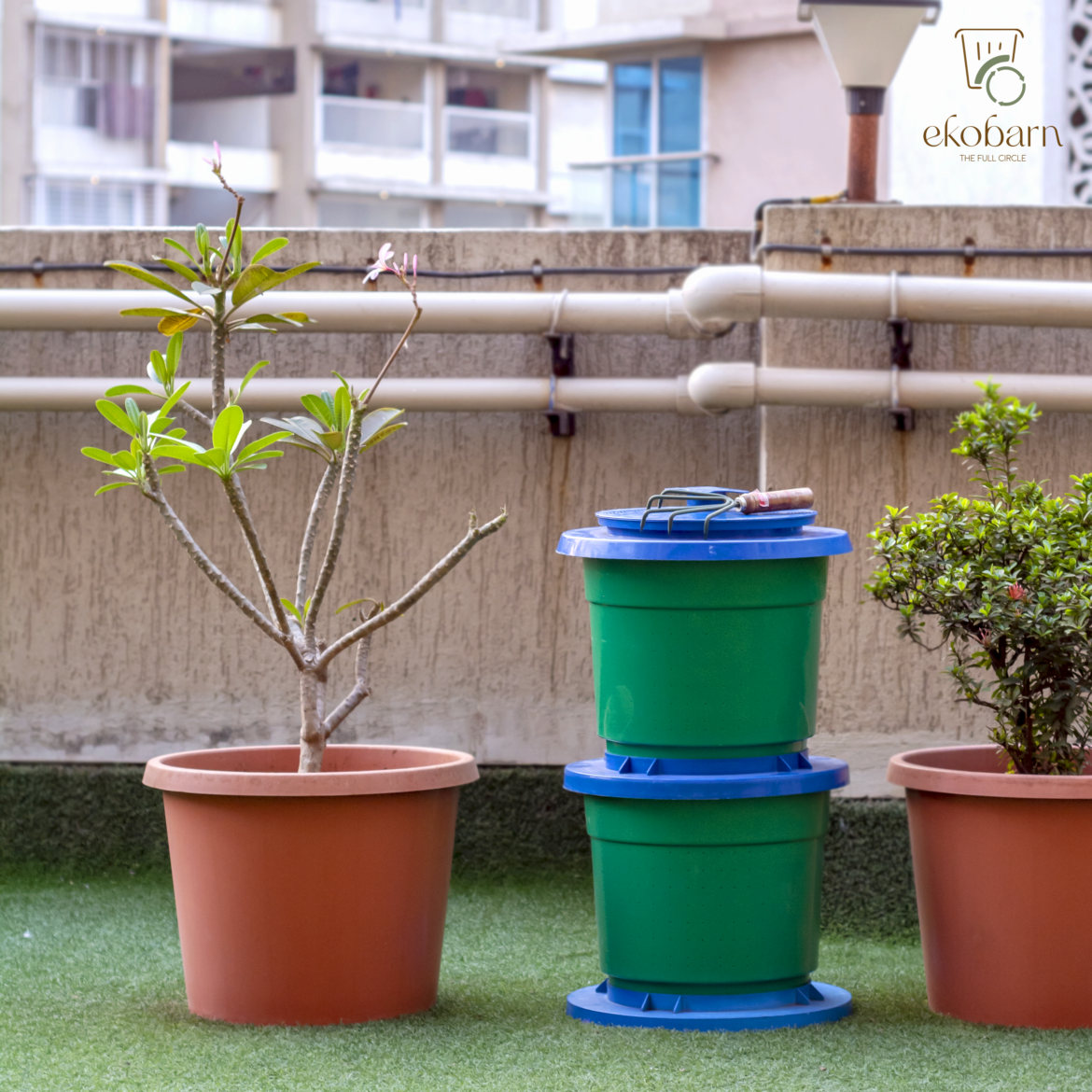
To tackle this, Ekobarn has launched their first range of home composting products – The Ekobin.  It is a well-engineered system aimed at being odour free by offering adequate aeration and low maintenance (no need to worry about catching and disposing of leachate). The other key USP of our EkoBin is our additive – compost starter mix. Hand curated with multiple strains of bacteria aimed at composting quickly and efficiently, one brick can last you ages! The Ekobins has thus been devised to make composting a breeze with minimal effort and space requirements.

The complete home composting kit consists of two stackable bins with a lid, an additive brick, a ready reckoner brochure explaining how to compost and what to compost and a hand rake to turn the compost around.

Ekobarn was founded with a vision to reduce our footprint on the environment and make the earth a cleaner and habitable space. Through a plethora of products and services, the company aims to be the one-stop solution for all sorts of waste and transform every Indian household into a zero-waste entity. 

Ekobarn is a team of co-founders coming from a diverse background – engineering, management and architecture, and is the outcome of their desire to develop an innovative and fuss-free solution for managing wet waste at the source.
A CC marketing initiative

Availability:  www.ekobarn.com

April 14, 2021 0 comment
0 FacebookTwitterPinterestEmail
Home DécorProducts

Topstona’s latest collection of Stonewall claddings

by Team Conscious Carma March 19, 2021
written by Team Conscious Carma

Bland walls are out! Moody walls are in! Evocative tones and an interplay of patterns are a clear trend for 2021! From timeless black and grounding earth tones to enchanting illusions and classic patterns, Topstona’s curation of unique wall claddings evoke elegant, persuasive moods for any aesthetic- contemporary, classic, eclectic and worldly.

Stones are sustainable and Eco-friendly 

Stone is a natural material, a natural product of the Earth, the original green building material. It does not require other materials or resources to create it. It is very durable, the choice to use natural stone will only enhance the value of your home while reducing the need to replace materials over a longer period of time. It also offers ease of care and maintenance. Stone is completely recyclable and has the potential to serve many different uses and purposes over its lifetime. Moreover, advancements in technology, including improved methods of quarrying, extraction, and fabrication have led to increased options and reduced costs of stone products, making natural stone easier to use and more desirable than ever before.

Topstona’s  Moods 2021, that’s what the collection is called is available in All Black, Earth Tones, Geometry Patterns, Power Pastels and Rainbow of Metallics. 


Availability: Dealers across India

March 19, 2021 0 comment
0 FacebookTwitterPinterestEmail
Newer Posts
Older Posts

Recent Posts

  • India–UK Free Trade Agreement Opens Global Growth Opportunities for 3R ZeroWaste’s Circular Economy Solutions
  • Plastic Free July: Why True Sustainability Goes Beyond Swapping Plastic
  • From the Editor’s Desk: When Greed Takes Over Conscience
  • Beyond the Pose: Why Your Yoga Mat Needs a Sustainable Upgrade
  • Best Sustainable Father’s Day Gifts: Conscious Carma’s Exclusive Picks

Recent Comments

  • Team Conscious Carma on Label Shivika Agarwal – where craft meets sustainability
  • Cocomeister.jp on Label Shivika Agarwal – where craft meets sustainability
  • Team Conscious Carma on Equitable City Designs To Fight Climate Change
  • UN report calls for repurposing of USD 470 billion of agricultural support that distorts prices and steer us away from environment and social goals | Consciouscarma on UNEP & ICMR collaborate to boost understanding of environmental dimensions of antimicrobial resistance in India
  • Wild Earth : Natural body products | Consciouscarma on Sat.Suma : the true essence of flowers in your everyday skincare needs

Keep in touch

Facebook Twitter Instagram Youtube

Recent Posts

  • India–UK Free Trade Agreement Opens Global Growth Opportunities for 3R ZeroWaste’s Circular Economy Solutions

  • Plastic Free July: Why True Sustainability Goes Beyond Swapping Plastic

  • From the Editor’s Desk: When Greed Takes Over Conscience

  • Beyond the Pose: Why Your Yoga Mat Needs a Sustainable Upgrade

  • Best Sustainable Father’s Day Gifts: Conscious Carma’s Exclusive Picks

  • How Sacred Sound is Reshaping the Future of Holistic Health?

Categories

  • Community (38)
    • Campaigns (3)
  • CSR (4)
  • Economy (82)
    • Global (24)
    • Industry (42)
    • Innovations (4)
    • National (2)
  • Environment (48)
  • Expert Corner (48)
    • Authored Articles (47)
  • Featured (5)
    • Partners (1)
  • Global News (2)
  • Initiatives (31)
    • CSR (3)
    • Events (6)
  • Inspiration (22)
  • Lifestyle (9)
  • Media Coverage (6)
  • Press Releases (4,358)
  • Products (126)
    • Accessories (27)
    • Apparel (32)
    • Beauty (26)
    • Food (4)
    • Gifting (3)
    • Home Décor (15)
    • Skin-Care (14)
  • Reports (3)
  • Spirituality (10)
  • Sustainability (49)
  • Sustainable Startup Stories (28)
  • Travel (19)
  • Uncategorized (2)
  • Wellness (33)
    • Home Cleaners (3)

Archives

  • August 2026 (1)
  • July 2026 (1)
  • June 2026 (6)
  • October 2024 (1)
  • September 2024 (1)
  • July 2024 (2)
  • June 2024 (2)
  • May 2024 (1)
  • November 2023 (330)
  • October 2023 (554)
  • September 2023 (631)
  • August 2023 (718)
  • July 2023 (723)
  • June 2023 (710)
  • May 2023 (608)
  • April 2023 (114)
  • March 2023 (7)
  • February 2023 (3)
  • January 2023 (11)
  • December 2022 (18)
  • November 2022 (1)
  • August 2022 (6)
  • July 2022 (8)
  • June 2022 (24)
  • May 2022 (11)
  • April 2022 (19)
  • March 2022 (11)
  • February 2022 (11)
  • January 2022 (14)
  • December 2021 (10)
  • November 2021 (4)
  • October 2021 (14)
  • September 2021 (22)
  • August 2021 (12)
  • July 2021 (17)
  • June 2021 (17)
  • May 2021 (16)
  • April 2021 (22)
  • March 2021 (33)
  • February 2021 (16)
  • January 2021 (22)
  • December 2020 (10)
  • Facebook
  • Twitter
  • Instagram
  • Pinterest
  • Linkedin
  • Youtube

@2020 - All Right Reserved. Designed and Developed by Bizopser Technologies

Consciouscarma
  • Home
  • About Us
  • Products
  • Community
    • Campaigns
    • Inspiration
    • Initiatives
    • CSR
  • Features
    • Sustainable Startup Stories
    • Travel
    • Lifestyle
    • Partners
  • Economy
    • Industry
    • Innovations
    • National
    • Global
  • Environment
  • Expert Corner
    • Authored Articles
    • Reports
  • Magazine
  • Contact