Consciouscarma
  • Home
  • About Us
  • Products
  • Community
    • Campaigns
    • Inspiration
    • Initiatives
    • CSR
  • Features
    • Sustainable Startup Stories
    • Travel
    • Lifestyle
    • Partners
  • Economy
    • Industry
    • Innovations
    • National
    • Global
  • Environment
  • Expert Corner
    • Authored Articles
    • Reports
  • Magazine
  • Contact
Monthly Archives

May 2021

Hyundai motor india foundation
CommunityInitiatives

Hyundai Motor India upholds commitment of Social Values to serve humanity for a healthy Life

by Team Conscious Carma May 30, 2021
written by Team Conscious Carma
  • Releases film on ‘Sparsh Sanjeevani’ that chronicles the journey of Hyundai’s Mobile Medical Van moving through India’s hinterlands – healing people
  • Augments Accessibility of Healthcare Services for Communities in Rural India
  • URL of the film: https://youtu.be/LcTXNn_VwIY

Hyundai Motor India Foundation, the philanthropic arm of Hyundai Motor India Ltd. today released a film on its social outreach initiative ‘Sparsh Sanjeevani’. The film captures moments of Hyundai’s Mobile Medical Van as it travels through rural India to augment accessibility of healthcare services for people in these regions.   

Commenting on the film, Mr. S S Kim, MD & CEO, Hyundai Motor India Ltd., said, “At Hyundai, we believe in driving meaningful change for society through every initiative. Our efforts draw inspiration from our vision of ‘Progress for Humanity’, as we continue in our pursuit of bringing smiles, wellbeing and prosperity to people across India. The film on ‘Sparsh Sanjeevani’ has suitably chronicled the journey of driving a greater accessibility to quality medical support and healthcare services. We have received a very moving response to ‘Sparsh Sanjeevani’, Mobile Chikitsa and hope to continue these efforts as we try to bring greater health and wellbeing to people of rural India.” 

About the film 

Despite an extremely challenging environment, the entire film is shot in the Laxmangarh block of Alwar District, Rajasthan. All characters are local residents of the village and were happy to be part of this film. The organic tonality of the film has created a closer connect with audiences. In the film, a lifesaving Indian Medicinal Plant popularly known as ‘Sanjeevani’ plays the role of a protagonist and story-teller. Talking about its legacy of saving lives, the film goes on to chronicle its journey as a Mobile Medical Unit (Sparsh Sanjeevani) that reaches out to the hinterlands and relentlessly serves people and communities at large.

About – Sparsh Sanjeevani

Under project – ‘Sparsh Sanjeevani’, Mobile Chikitsa has been firming the accessibility of healthcare services in the most vulnerable communities of rural India and advancing the country’s pursuit of health and wellness for all. The medical unit of ‘Mobile Chikitsa’ is managed by HMIF and its partner NGO ‘Wockhardt’ to cater 2 villages per day, targeting 25,000 people, with an initial goal of reaching 16 villages.  

HMIF flagged-off its first Mobile Medical Unit- ‘Mobile Chikitsa’ to Laxmangarh block of Alwar District, Rajasthan in January 2021 to support the people in the district and ensure a healthy life. Mobile Chikitsa’ is aimed at catering to a community of up to 25,000 people and if need be can service up to 3 additional communities. A qualified MBBS doctor on board is providing free consultation and medicines through the attached pharmacy. The Mobile Chikitsa unit is equipped with testing facilities for spot diagnostic tests covering blood sugar, BP, Malaria, Dengue etc. In addition, awareness programs about different diseases and their prevention are also conducted. 

The Mobile Chikitsa unit is currently covering 2 villages per day through a fixed roster and service around 100 patients. Patients will be provided with a health card to record their case history and individuals diagnosed with serious ailments will be referred to the nearest government or private hospital. ‘Mobile Chikitsa’ – has been designed on similar lines and will service areas where there are no healthcare facilities. The van will cover the villages of Lili, Raipur Jat, Jawli, Toda, Hasanpur, Mundjori, Tilakpur, Ucchar, Narnol, Gor Pahari, Deewli, Manjpta, Semla, Berla Bass, Kajota and Kanwara.

May 30, 2021 0 comment
0 FacebookTwitterPinterestEmail
Bry Air
CommunityInspiration

Over 56,000 lives impacted in the past decade by Bry-Air ’s CSR initiatives

by Team Conscious Carma May 28, 2021
written by Team Conscious Carma

Gurgaon/New Delhi: Bry-Air (Asia), a flagship company of Pahwa Group, has completed a decade of enriching lives through its initiatives for the society at large.

Through numerous CSR programmes, the company’s initiative is focused on empowering communities through education, skill development, providing healthcare (vision/eye care), clean drinking water, sanitation and focusing on the environment.

The core objective of the company is to reach out to the direct beneficiaries through their CSR initiatives and mainly focusing on Vision (Eye Care), Education, Environment and Sustainability of the community. Bry-Air in association with their NGO partners has touched over 56,000 lives, directly impacting the beneficiaries by enhancing  their quality of life:

With cataract surgeries for the older people in the rural areas, skill development for livelihood of women and youth, clean and cool drinking water and sanitation facilities for the rural households, schools for underprivileged, afforestation and restoration of green belts for a greener environment.

On completing a decade, the company has released a video showcasing how they have reached the far flung areas through different initiatives, with the aim to develop the society and extend their help whenever needed. 

Other than this, the company also recognizes its business activities to have a direct as well as indirect impact on the community it operates.
Speaking on the development, Anandita Pahwa, Head – CSR Initiatives, Pahwa Group said, “At Pahwa group, ‘Environment and Education’ are deeply integrated into our philosophy. Our focus has been on environment to protect our forest, and conserve the flora and fauna. Apart from this, we are focused on extending our help to under privileged students through free education. I would like to thank all  our NGO partners  who have helped us   to do a bit for the society. Right now our focus is providing support through oxygen concentrators, oxygen cylinders, dry rations and medicines as well to  keep our projects going. ”

May 28, 2021 0 comment
0 FacebookTwitterPinterestEmail
biomass
Environment

Ministry of Power decides to set up a National Mission on the use of Biomass in coal-based thermal power plants

by Team Conscious Carma May 26, 2021
written by Team Conscious Carma

In order to address the issue of air pollution due to farm stubble-burning and to reduce carbon footprints of thermal power generation, the Ministry of Power has decided to set up a National Mission on the use of Biomass in coal-based thermal power plants. This would further support the energy transition in the country and our targets to move towards cleaner energy sources.

The “National Mission on use of biomass in thermal power plants” will have the following objectives;

(a) To increase the level of co-firing from present 5% to higher levels to have a larger share of carbon neutral power generation from the thermal power plants.

(b) To take up R&D activity in boiler design to handle the higher amount of silica, alkalis in the biomass pellets.

(c) To facilitate overcoming the constraints in supply chain of bio mass pellets and agro- residue and its transport upto to the power plants.

(d) To consider regulatory issues in biomass co-firing.

The modalities of operation and structure of the Nation Mission are under finalization. It is being envisaged that the Mission would have a Steering Committee headed by Secretary (Power) comprising of all stakeholders including representatives from Ministry of Petroleum & Natural Gas (MoPNG), Ministry of New & Renewable Energy (MNRE) etc. The Executive Committee would be headed by Member (Thermal), CEA. NTPC will play a larger role in providing logistic and infrastructure support in the proposed National Mission. The Mission would have full time officers from CEA, NTPC, DVC and NLC or other participating organizations. The duration of proposed National Mission would be a minimum 5 years. The following Sub-Groups are also proposed to be formed under the Mission:

(i) Sub-Group 1 : to be responsible to carry out research on properties/ characteristics of biomass.

(ii) Sub-Group 2 : to carry out technical specification and safety aspects including research in boiler design etc. to handle the pilot project for higher amount of co-firing of biomass with coal in pulverized coal (PC) fired boilers.

(iii). Sub-Group 3: for resolving the issues of supply chain during the mission period and sensitization programme.

(iv). Sub-Group 4 : to select designated labs and certification bodies for testing of Agro-based biomass pellets and Municipal Solid Waste (MSW) pellets

(v). Sub-Group 5: be formed on regulatory framework and economics of biomass co-firing in coal based Thermal power plants.

 The proposed National Mission on biomass will also contribute to the National Clean Air Programme (NCAP).
Source: www.pib.gov.in

May 26, 2021 0 comment
0 FacebookTwitterPinterestEmail
lady doing yoga
EconomyIndustry

The changing face of Wellness Tourism in India

by Team Conscious Carma May 24, 2021
written by Team Conscious Carma

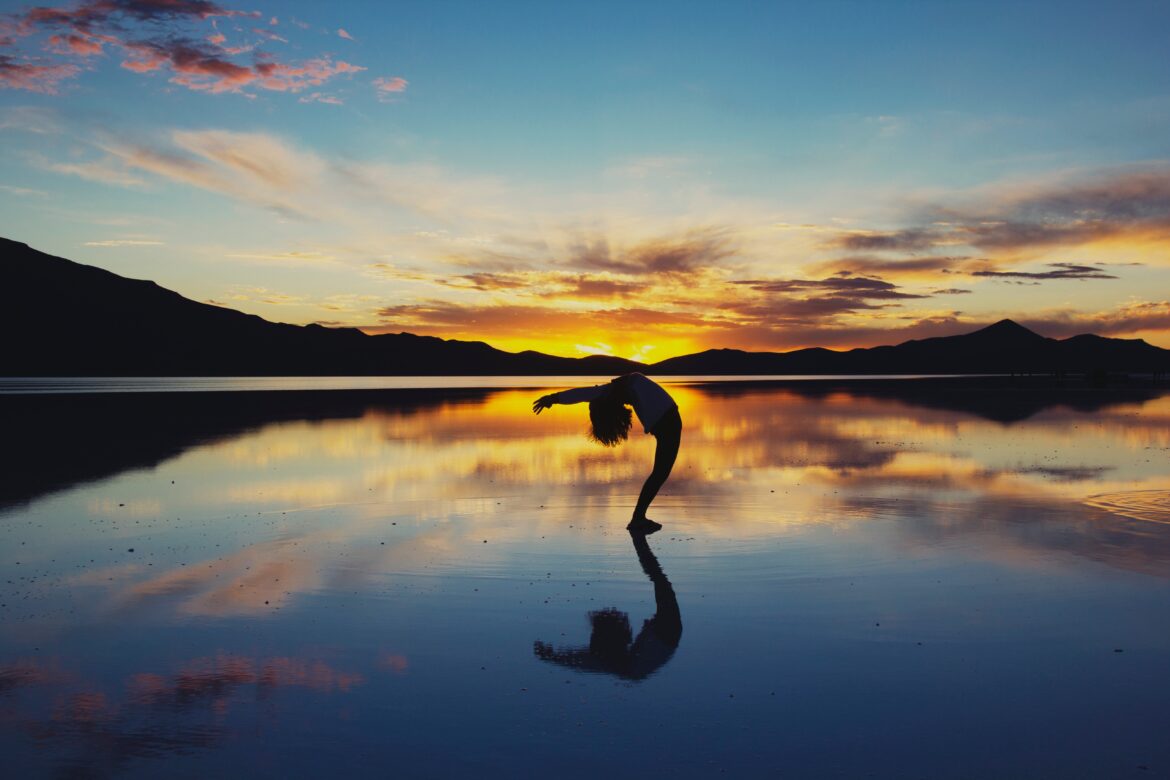
Wellness is the quality or state of being healthy in body and mind so that instead of just surviving, you are thriving.

Since ancient times in India, Ayurveda, Yoga and Meditation have been proven effective ways of healing the mind, body, and soul. Travellers from around the world come here for wellness and spiritual awakening. India is always a preferred place to attain the holistic healing of mind, body, and soul.

India’s Wellness Tourism is much more than Ayurveda and Yoga retreats

The growing interest among the masses towards prevention over cure, natural over artificial, contentment over the competition is leading to a change in their lifestyle choices. Wellness is the latest fad and has rewritten the rules in almost all the industries globally, be it food, fashion, beauty, real estate, etc and travel is no exception. Today, more than ever, people are looking forward to a break from their mundane and stressful lifestyle and head to a place which could rejuvenate them inside out. The ongoing pandemic has also played a considerable role in giving a further fillip to it.

Wellness Tourism in India has also added newer dimensions to it, apart from the most popular Ayurveda and Yoga retreats. The new buzzwords in Wellness Tourism are responsible tourism, rural tourism, eco-friendly tourism, remote working and wellness staycations, etc. Experiencing a balanced life, in sync with nature, is in itself therapeutic and people are opting for it more than ever. Health, immunity and safety are major concerns shifting people towards wellness tourism.

Ayurveda is the traditional Hindu system of medicine (incorporated in Atharva Veda, the last of the four Vedas), which is based on the idea of balance in bodily systems and uses diet, herbal treatment, and yogic breathing.
Yoga, simply put, is union in, and union with, all spheres of life. It is the science of Creation, often called the final frontier, for it opens doorways not just to this world, but also that which lies beyond and controls and directs what happens in the physical dimension. Yoga helps unlock the phenomenal potential that lies hidden in a being. Manifestation of thought, health, beauty, glow, attraction is among the basic siddhis of Yoga under the guidance of a Guru.

India’s ranking in Global Wellness Tourism Market

Globally, wellness tourism is growing with 6.5 per cent annually, more than twice as fast as tourism overall (3.2 per cent), and it was worth US$639 billion market in 2017. This segment is forecasted to grow even faster through 2022 (7.5 per cent yearly), to reach US$919 billion, according to Global Wellness Tourism Economy report by Global Wellness Institute.

In 2017, India ranked 7th in the top 20 wellness tourism markets, and 10th among the top 20 spa markets in the world, while ranking 3rd in both the top 10 wellness tourism markets and top 10 spa markets in Asia Pacific. While the country itself is an attractive wellness travel destination globally, Indians are equally wellness travel freaks. According to reports, Indians made 56 million wellness-related trips, both domestic and international, in 2017 (a growth of 45 per cent over 2015), which included expenditures worth $16.3 billion. Also, India ranked 2nd in terms of leading growth markets for wellness tourism, depicting an average annual growth rate of 20.3 per cent from 2015 to 2017, adding a little over 17 million wellness trips in the same period.

“Wellness is definitely more than a signature massage, a spa, a showcase gym, or a sunset yoga session. Its effects reach beyond the physical realm of the hotel’s facilities and offerings and are felt more deeply. When wellness works for a hotel it forms an integral part of the guest experience, touches all aspects of the business, forms significant moments which are meaningful and thought through, from the quality of sleep, food, surroundings. A large role is played by the staff who engages with them before they arrive and continues long after they have left”

Urvashi Mehta, Founder, Ndorse’, a wellness and luxury travel consultancy.

If there’s one thing that this pandemic has taught us, it is the importance of “taking a break”. Knowingly, unknowingly we all at some point become a part of the rat race that leaves us drained out mentally, physically and spiritually. And even though no one’s advocating this forced pause, the silver lining just can’t be ignored. The Maldives has always been a paradise for lovers, adventure seekers, and even families, but now there’s a rise in the travellers seeking holistic experiences. This is not only limited to organic diets (vegetarian/vegan), earthy menus, detoxing concoctions, yoga in the lap of nature, meditation under the stars, but also ayurvedic massages and underwater experiences that have a healing effect. From resorts with Asian-inspired healing therapies to programmes that are fitness-focused, the best of luxury wellness experiences makes it the ultimate wellness getaway. With the bohemian elegance and luxury design, these wellness programmes are carefully crafted for the modern escapist to heal the mind, body and soul while you re-claim your connection with nature.

Monika Adlakha, Communications and Marketing Specialist in the Maldives

There has been a recent splurge in destinations that are in complete harmony with nature, its surroundings, flora and fauna, relatively unexplored, secluded and offer wholesome organic food, for a peaceful mind and a balanced body.

Let’s look at some of India’s nature-inspired, rustic and eco-friendly destinations focussing on rejuvenation

Terra Conscious, Goa
Responsible Tourism

Goa is much more than a party place. Terra Conscious, a marine & coastal conservation-based social enterprise is working towards empowering the local community through responsible nature-based experiences and conservation travel itineraries. One can explore the biodiversity and diverse wildlife of Goa with Terra Conscious’s backwater Kayaking Trail. It is considered to be one of the best ways to unwind and explore Goa’s beautiful and biodiverse mangrove forests. Paddle through these intricate ecosystems a completely zero waste, low carbon footprint experience. Other experiences include Ocean biodiversity, Mangrove & Estuary, forest walks and cycling trails.

Wayanad, Kerala
Rural & Wildlife Tourism

Wayanad In Kerala is an all year round tourism place as it has a very soothing temperature. The place is famous for its spice plantations, popularly known as the spice garden of India. One could experience nature’s bounty with lush green orchards and long spread plantations of spices, coffee and organic fruits and vegetables.

It also has numerous wildlife sanctuaries, reserves and national parks. Its dense woods, mighty mountains and gushing rivers make it an ideal spot for many adventurous activities like trekking, camping and mountaineering, etc.

Mawlynnong Village, Meghalaya
Eco-friendly Tourism

Awarded as the “cleanest village in Asia” by Discover India, plastic bags and smoking are banned in Mawlynnong in Meghalaya. Bamboo is used extensively for construction and composting and nurturing trees are a common practice. The place is pleasant throughout the year while best during monsoon. The village offers an insight into Khasi tribal life, their festivals, local food and the way of living. With a hundred percent literacy rate, the khasi tribe is famous for children inheriting their mother’s surnames and property is also passed through the matrilineal lines.

Other major attractions are The Living Roots Bridge, a UNESCO World Heritage Site at the neighbouring Riwai Village, which is a short hike from Mawlynnong. The Khasi tribes of Meghalaya created these natural bridges by weaving together the roots of ficus trees. Another is The Sky View which is the vantage point having a viewing tower that is eighty-five feet high and completely made of bamboo.

Pragpur, Himachal Pradesh
Heritage tourism

Pragpur, India’s first heritage village, is situated in kangra valley in Himachal Pradesh. The village is named in honor of Princess Prag Dei of the Jaswan royal family. The prosperous merchants of Kuthiala Sood community travelled abroad and returned home to build mansions, schools and hospitals in architectural styles they observed there. The 300-year-old exquisite Havelis and heritage buildings take you to the bygone era.
Another attraction is the ancient water system, a large ornamental water tank called Taal. Built before 1868, the Taal is said to form the core of the village and is surrounded by several old community structures like the Nehar Bhawan, Naun, and Dhunichand Bhardial Serai.

Raja Ram Singh, who ruled over the state about two hundred years ago, was a man of artistic tastes. An ardent devotee of Krishna, he built a beautiful shrine dedicated to his favourite deity. The walls of the shrine are covered with breathtakingly elaborate and richly coloured Kangra-style miniature paintings.

May 24, 2021 0 comment
0 FacebookTwitterPinterestEmail
Authored ArticlesExpert Corner

Carbon Explained: All You Need To Know About Carbon Dioxide

by Team Conscious Carma May 22, 2021
written by Team Conscious Carma

By Avely Pütsep

We live on a carbon planet and we are carbon life.

Carbon is all around us. It’s in diamonds, fruits, people, plants, and graphite. It’s in the coffee you drink and the candles you burn. It’s easier to list things that lack carbon, like gold fillings in teeth and silicon microchips in phones.

First, are carbon and carbon dioxide the same thing? 

Well, no. 

In the context of climate change, “carbon” is commonly used as a shorthand for carbon dioxide which in actuality is not the same thing. 

What is carbon?

Carbon is a chemical element like oxygen, lead, or any other in the periodic table. Carbon is the 6th element. 

There are a few types of atoms that can

  • be a part of a plant one day, a part of an animal the next, and then travel in air or downstream as a part of a river,
  • = recycle the same atoms over and over again.

Carbon fiber is a long chain of bonded carbon atoms. The fibers are extremely stiff, strong, and light, and are used in many processes to create excellent building materials.

What is carbon dioxide?

Carbon dioxide, or CO2, is the most commonly produced greenhouse gas, which traps heat in the atmosphere. A simple definition of carbon dioxide is when each atom of carbon joins with two atoms of oxygen. Hence the name CO2. 

However, in the context of atmospheric CO2, carbon and carbon dioxide are often used interchangeably. They are both correct but keep in mind that one tonne of pure carbon equals 3.67 tonnes of CO2.

Is carbon dioxide good or bad? That’s too simplistic a question. Yes, it causes climate change but the importance of carbon can’t be overlooked.

trees taking carbon dioxide

Why is carbon important? 

This question concerns the role of carbon dioxide in the atmosphere. Carbon is the central element in compounds necessary for life: organic compounds. These little fellas make up everything from cells to structures of organisms. They also carry out life processes. 

Carbon is the most important element to living things because it forms many different kinds of bonds and forms essential compounds.

Without carbon, life as we know it literally wouldn’t exist. ????????

A few more reasons why carbon is necessary and, let’s face it, awesome:

  • Carbon regulates the Earth’s temperature
  • Carbon provides a major source of energy to fuel our global economy
  • Carbon is required to form complex molecules like proteins and DNA
  • Your skin, hair, blood, bone, muscle, and sinews all depend on carbon

How does carbon dioxide get into the atmosphere?

There are two main sources of CO2: natural and human activities. 

Human activities play a massive role, having increased atmospheric CO2 concentration by 47% since the Industrial Revolution began.

Examples of human sources of carbon: 

  • CO2 emissions from fossil fuels, burned to generate 85% of electricity globally
  • transportation, which is the second biggest source of CO2 emissions in the US
  • land-use change like clearing of land for agriculture to raise livestock
  • extensive deforestation: trees are potent organisms for absorbing and removing CO2 emissions from the air, helping to provide a carbon neutral planet. Cutting them down stops that process.

The planet’s carbon footprint is rapidly rising. It’s considerably higher than at any point in the last 800 000 years.

Natural activities include everything that happens in – you guessed it – nature. 

Examples of natural sources of carbon dioxide:

  • organisms dying
  • volcanoes erupting
  • fires blazing
  • fossil fuels burning

In oceans, carbon continually moves through surface water and the atmosphere, or it’s stored for a long time in the depths of oceans. 

Marine organisms from marsh plants to fish, seaweed to birds, also produce carbon through living and dying. Like people. 

Most animals exhale carbon dioxide as a waste product. Including people.

carbon

Where is carbon dioxide found?

Carbon can be found everywhere, really. Most is stored in rocks and sediments. 80% of it is locked in rocks as inorganic carbon in the earth’s crust and mantle or lithosphere. Carbon is also in the ocean, atmosphere, and living organisms. And these are reservoirs of carbon, AKA carbon sinks! 

What is a carbon sink?

A carbon sink is a place that absorbs more carbon than it releases. 

One of the biggest carbon sinks are forests, which continually take carbon out of the atmosphere through the process of photosynthesis. That’s why it’s so important to protect the forests we have left. The older the tree, the greater its potential to store and offset carbon, and slow climate change. 

Oceans are also carbon sinks. They store a large amount of carbon dioxide by absorbing it from the atmosphere.

About the author:

Avely Pütsep is an environmentalist by heart and her big goal is to open complex topics (from carbon to bitcoin) so everyone understands them. She’s a writer/marketer at a fintech startup saving the world and travels the globe full-time to gather inspiration and stories.

About Single.Earth:

Single.Earth is an initiative to save the world. It’s not just big words, but an actual impact. Single.Earth is a fintech startup offering a unique natural capital marketplace. They use blockchain technology, big data analysis, and satellite imagery to show the world’s natural resources and allow landowners to earn money from their land without logging, deforestation, or putting in mines.

May 22, 2021 0 comment
0 FacebookTwitterPinterestEmail
Economy

India ranks 3rd in “Renewable Energy Country Attractiveness Index”

by Team Conscious Carma May 20, 2021
written by Team Conscious Carma

India has moved up a spot to the third position on EY’s Renewable Energy Country Attractiveness Index owing to exceptional performance on the solar photovoltaic (PV) front. The US retains the top position on the Index and is expected to hold its position under President Biden. China has remained a buoyant market and maintains the second position, adding 72.4 GW of new wind power in 2020, the report added.

According to the report released on Wednesday, India’s solar sector is likely to grow substantially post the COVID-19 pandemic, with generation from solar PV forecast to outdo coal before 2040, EY said in a statement. The drastic change has been led by the government’s policy ambitions, which have led solar PV to be the most cost-competitive source of power in the region and improve further with the passage of time, it added. The observations are as per the 57th EY Renewable Energy Country Attractiveness Index (RECAI) released by EY globally.

In 2020, global renewable energy capacity investments grew 2 per cent to $303.5 billion, the second-highest annual figure recorded to date despite the impact of the pandemic, EY said. However, the report estimated that future development to achieve net-zero will require a further investment of $5.2 trillion and highlighted the role of institutional investors in financing the energy transition.

“India has moved one position above (3rd) from the previous index (4th), this is primarily due to the exceptional performance on the solar PV front. Installed solar PV capacity in India has skyrocketed to 39 GW marginally overtaking the wind capacity for the first time,” Somesh Kumar, Partner and National Leader, Power & Utilities, EY India, said. 

The economic attractiveness of solar PV and intense competition from the private sector has led to record low tariff bids, Kumar added. India also committed to setting up 450 GW of renewable energy power capacity (installed) by 2030 at a recent climate summit hosted by the US.

This will likely increase the share of renewable energy in overall power generation installed capacity to 54 per cent, vis-a-vis share in overall gross generation to 36 per cent, he said.

Ben Warren, EY Global Power & Utilities Corporate Finance Leader and RECAI Chief Editor, said the impact of the pandemic on economies worldwide seems to have refocused investors’ minds on the environmental, social and corporate governance agenda and there is a growing trend towards considering the climate crisis and the energy transition when deploying capital.

“As a result, interest in renewable energy development has risen among institutional investors who have pledged to incorporate climate-risk concerns into their decision-making processes, resulting in new models of investment to locate opportunities that satisfy their risk and return expectations,” Warren added.

The reacceptance of the Paris Accord, coupled with the recent announcement to cut greenhouse gas (GHG) levels by 50-52 per cent as early as 2030 and achieve 100 per cent carbon free power by 2035, will likely see increased investment interest in the US, it added.

The so-called emerging markets now represent half the countries in the 40-strong index, including four African markets featuring in the top 30. Just a decade ago, only China and India were attractive enough to compete with more developed markets for investment, EY said in the report. While the top three countries maintained their ranking, Chile, Brazil and Mexico climbed higher in the index to be ranked in the top 10 at the fourth, sixth and seventh, respectively. Germany at fifth and France at eighth fell in the latest rankingIndia ranks 3rd in 'Renewable Energy Country Attractiveness Index'

East Asian markets such as Japan and South Korea ranked in eighth and 17th positions, respectively. The report highlighted that East Asia has a robust pipeline of clean-energy projects, with more than 800 shovel-ready schemes and with a total investment potential of $316 billion.

Source: PTI

Note: The content has been edited for style and length

May 20, 2021 0 comment
0 FacebookTwitterPinterestEmail
ellementry products
CommunityInspiration

Make in India: Indians making India proud

by Team Conscious Carma May 18, 2021
written by Team Conscious Carma

Venkatesh Rao K
Refurbishing e-waste to protect the environment

Electronic Waste is emerging as serious public health and environmental issue in India. India is the “fifth-largest electronic waste producer in the world”; approximately 5.2 million tons of e-waste are generated annually and an undisclosed amount of e-waste is imported from other countries around the world.

E-waste produced in India comprises 70% of computer devices, 12% in the Telecom sector, 8% in Medical Equipment, and 7% in Electrical equipment. And as per the market survey, the reuse of Electronic Equipment waste in India is estimated at 10-15% while the rest of the E-Waste is going for Raw Material Extraction Recycling. While e-waste recycling is a source of income for many people in India, it also poses numerous health and environmental risks. More than 95% of India’s e-waste is illegally recycled by informal waste pickers called kabadiwalas or raddiwalas.

In India and other parts of the world, gold is recovered from circuit boards by bathing boards in hydrochloric and nitric acid. This poisons waterways many of which supply homes with water. Residual waste, including chemicals, is often dumped improperly in the ground leading to ecological harm. And those who extract valuable minerals from e-waste are exposed to noxious fumes that are extremely hazardous to health.


  • India is the fifth-largest electronic waste producer in the world
  • Raw material extraction by scrap dealers poses greater health and environmental hazard
  • Globally, the e-waste refurbish industry is estimated at US$12 – 15 Billion by 2021.
  • According to a market survey, the volume of the reused equipment business in India is 10-20% as compared to the new equipment sales
  • “Reuse the World” – xfurbish, an IT & enterprise product refurbish startup launched in 2020, has nearly sold 8 Crores worth of Refurbished products in India

With an objective to avoid unnecessary recycling of e-waste which poses a bigger health hazard and is not the solution when the same can be refurbished and re-used, Bangalore based Venkatesh Rao K launched Xfurbish in Indian and UAE in Jan 2020, an organised and technology-driven platform where e-waste can be sold by dealers and refurbished IT and enterprise products could be bought by the consumers. In a year’s time, Xfurbish opened its offices in Bangladesh and Nigeria and sold nearly Rs.8 Crores worth Refurbished IT & enterprise products in a year. “This is just the tip of an iceberg, there’s huge potential in this and it makes all the sense to get into this business, which is environment friendly”, says the visionary founder. Globally, the e-waste refurbish industry is estimated to reach US$12-15 Billion by 2021.

Refurbishing means reusing a computer while recycling means destroying the computer and then environmentally recycling its constituent materials. Refurbishing is preferable to recycling. because even effective recycling processes produce some waste. Refurbishing e-waste is the only responsible way to dispose of such waste.

“According to a market survey, the volume of the reused equipment business in India is 10-20% as compared to the new equipment sales. Xfurbish aims to increase this by at least 30-40% by this year-end. This will also significantly help decrease the pollution generated by recycling of the e-waste”, adds Rao.

Also, from April onwards, they have started setting up the chain of Xfurbish exclusive stores in metro cities so that customers can walk in and buy certified xfurbish products like laptops, desktops, servers, etc. and sell their old IT products at the store.

Xfurbish is not only providing the much-needed e-commerce platform but also avidly educating the individuals to reuse the electronic waste, giving them the Xfurbish protection and encouraging sellers through authorized partner program.

“Reuse the World” – Reuse instead of recycle and save the environment from e-waste.

Venkatesh Rao K

Ayush Baid
Reviving the dying arts of India at Ellementry

Employing local artisans and bringing their talent and skill in the limelight came easily to Ayush Baid, the founder of Ellementry. He has grown up seeing his father, Dileep Baid, an award-winning Indian handicraft products exporter, successfully running his business for three decades. He wanted to bring this handcrafted goodness made available to the Indian consumers too, which is how the brand was born.

Ellementry, a three-year-old Indian lifestyle brand, specializes in sustainable tableware, furniture and accessories which are handcrafted traditionally, but are contemporary in their avatar and are borne out of responsible actions.

With their in-house terracotta, papier-mâché, and ceramic units, the brand is not just providing a means of survival to local Indian artists but also ensuring that the artisans pass on the art form to younger generations, thereby reviving the dying arts of India.

Within a short span of three years, the brand has opened five stores across India and is looking at making Ellementry a household name in the World of exquisite lifestyle products.

“Ellementry has created a space that allows local artisans to flourish. I feel elated in sharing that today we are providing full-time employment to more than 4,000 artisans, who were earlier unable to make a healthy living with the income that the art generated. With Ellementry, we are trying to re-contextualise Indian craft for contemporary living and put the craftsman at the forefront. We are working with the same artisans and their new generation working for our parent company”

Ayush Baid

Zulfi Azad
Creating markets globally for Indian and Overseas brands

For the past ten years, Zulfi Azad, Director, Plan Media, is successfully creating markets worldwide for his clients in India, Africa, UAE, the USA and UK. His continuous and long-lasting efforts have been recognized very well by the media and is being awarded the ‘Zee Young Achiever’s Award’, ‘PRAGYA Success Story Award’ and many other such awards.

“African countries, especially Nigeria, is the first choice in terms of entrepreneurship but when it comes to sales conversion they have to struggle a lot for their existence. Similar is the case with the UAE market. It has the second-largest economy (among Arab Countries after Saudi Arabia) but it lacks in fulfilling customer’s expectations and creating brand strategy at the local and global level”, says Zulfi. He has been working with various industry segments, from lifestyle to engineering, wellness to insurance, etc and has transformed them into well-known entities locally as well as globally.

Sheer hard work coupled with innovative and out of the box ideas has made Zulfi the face of branding and positioning in the international market. He has played an important role in generating revenues and goodwill for all the companies he has worked within, India and abroad.

“African countries, especially Nigeria, is the first choice in terms of entrepreneurship but when it comes to sales conversion they have to struggle a lot for their existence. Similar is the case with the UAE market. It has the second-largest economy (among Arab Countries after Saudi Arabia) but it lacks in fulfilling customer’s expectations and creating brand strategy at the local and global level”

Zulfi Azad
May 18, 2021 0 comment
0 FacebookTwitterPinterestEmail
Authored ArticlesExpert Corner

Climate Literacy is a core pillar to Restore Our Earth

by Team Conscious Carma May 16, 2021
written by Team Conscious Carma

Climate and environmental literacy is a core pillar of Earth Day 2021’s Restore Our Earth theme. We can’t expect to solve the climate crisis if we don’t learn about it. We need to understand how anthropogenic activities affect the environment and how the environment affects us.

A climate-literate person

  • understands the essential principles of Earth’s climate system,
  • knows how to assess scientifically credible information about climate,
  • communicates about climate and climate change in a meaningful way, and
  • is able to make informed and responsible decisions with regard to actions that may affect climate.

WHY DOES CLIMATE SCIENCE LITERACY MATTER?

During the 20th century, Earth’s globally averaged surface temperature rose by approximately 1.08°F (0.6°C). Additional warming of more than 0.25°F (0.14°C) has been measured since 2000. Though the total increase may seem small, it likely represents an extraordinarily rapid rate of change compared to changes in the previous 10,000 years.

Over the 21st century, climate scientists expect Earth’s temperature to continue increasing, very likely more than it did during the 20th century. Two anticipated results are rising global sea level and increasing frequency and intensity of heatwaves, droughts, and floods. These changes will affect almost every aspect of human society, including economic prosperity, human and environmental health, and national security.

Since the first Earth Day, 51 years ago in 1970, we believe 3 billion students around the globe have graduated from high school or equivalent worldwide without the fundamental skills and critical thinking necessary to effectively steward the Earth. We have stranded them by failing to educate them on the interplay between the environment and their own lives. We have not prepared them to participate in their communities. We have not equipped them with the skills necessary to build a green economy.

Through global climate literacy, we can inspire a reverence for the planet that moves them to act for the environment. By weaving respect for the natural world into all aspects of education, we will establish a shared commitment from our youth to act on behalf of the planet, not for politics nor profit.

We can’t build a sustainable environment — whether in nature or society — without educating the next generation. They’re hungry to act but they don’t know-how.

That’s why EARTHDAY.ORG (EDO) is spearheading a campaign to have compulsory, assessed climate and environmental education with a strong civic engagement component in every school in the world.

Combined with civic education, climate and environmental literacy will create jobs, build a green consumer market and allow citizens to engage with their governments in a meaningful way to solve climate change.

Fifty years ago, the first Earth Day started an environmental revolution. Now, we are igniting an education revolution to save the planet. This formal campaign, launched in 2020, is combining grassroots support and on the ground efforts by students, educators, and nonprofits with national level commitments from Ministries of Education and Environment. Through our Climate and Environmental Literacy Campaign, we will ensure that students across the world benefit from high-quality education to develop into informed and engaged environmental stewards.

We’re securing commitments from 30+ countries to demand action at COP26. We’ve enlisted over 500 organizations representing 275 million individuals adding grassroots voices to the call.

In the last year, we have had to take classrooms online, EDO India organized more than 20 webinars with teachers, professors, NGOs and policymakers across South Asia and each state of India to see how we can motivate students to Climate Literacy while teaching online. We have a Pan India contest for teachers culminating this Earth Month, with cash prizes for the schools, and certificates for teachers, asking for tried and tested effective methodology to build environmental stewardship in youth. Teachers and experts have suggested using the moving image, songs, storytelling, puppetry, DIYs, Nature Club activities to engage students.

Everyone has the potential to act for the planet and Earth Day is the invitation to begin on the path. Earth Day is more than a day — we are the world’s largest civic movement activating millions of people 365 days a year.

Earth Day Network

Earth Day Network® (doing business as EARTHDAY.ORG™) is a global organization that grew out of the first Earth Day on April 22, 1970. Today, 51 years later, the organization engages with over 50,000 partners in some 190 countries to take the environmental movement forward.

Neela Majumdar

Senior Manager
Projects Development India EARTHDAY.ORG

May 16, 2021 0 comment
0 FacebookTwitterPinterestEmail
Sustainability

Slow Living in the Fast Lane

by Team Conscious Carma May 14, 2021
written by Team Conscious Carma

Slow living has become a big trend. But its essential message is about consuming less and taking a slower approach to everyday life.

Life in the Modern World

Modern living has definitely given more convenience, more outreach, more money and more power to humans. You can connect with anyone around the globe in seconds, you can cover millions of miles in few hours, you can access the information within seconds. Rapid development, globalization industrialization and technological advancement have brought the whole world closer to us. However, the modern lifestyle has put a lot of pressure on humans, they are pressed for time, they are more into the virtual world than the real world, their lifestyle is more artificial than natural. Moreover, all this progress has played a destructive role on the planet, the animal world and the less privileged.

The emergence of Slow living

In this modern fast-paced life, an individual is losing out on the purpose of life, the rat race, the fear of missing out, the artificial virtual world has taken away the real pleasures of life, the peace of mind and oneness with nature. No wonder, every day we hear of people leaving their lucrative jobs and heading towards the countryside to lead a simple yet meaningful and contented life. Slow Living, that’s what it is called, is a lifestyle that emphasizes a slower approach to aspects of everyday life. It has been defined as movement or action at a relaxed or leisurely pace.

Living at fast pace can lead to stress and chaos while slow living gives pleasure and peace of mind. Slow living does not mean that you don’t use technology and other conveniences, it simply means that you use them consciously to lead a relaxed and balanced life. It’s all about living life in sync with nature and doing what you enjoy rather than falling prey to an artificial and over competitive lifestyle.

SLOW is also used as an acronym to depict the various aspects of slow living. The ‘S‘ refers to sustainable, which means living while having a limited impact on the environment. The ‘L‘ refers to local, which means using materials and products that are geographically close. The ‘O‘ refers to organic, which means avoiding products that have been genetically engineered or mass-produced. The ‘W‘ refers to whole, which means not processed.

The slow living movement began in Italy with the slow food movement, which emphasizes traditional food production techniques in response to the emergence of fast food during the 1980s and 1990s.

The Pandemic Effect

The pandemic has triggered the pace of slow living among the millennials who are enjoying the simple pleasures of life like work from home, long-stay workcation and remote working, etc, They are more relaxed, spending more time with their families, with nature and working at their pace. The man who had become more of a machine is getting back to his original self, with slow living.

The Millennial Effect

Slow living is being further fuelled by an upward trend of professionals willing to work remotely for the long term. According to Dell Technologies’ latest study, 9 in 10 employees in India are willing to work from home provided they have access to the right technology assets and human resources support. Millennials are opting for slower lives away from megacities. They are moving to smaller cities and towns, in the mountains or by the sea, not just to beautify their Instagram but for productivity purposes and to embrace the “less-is-more” ideology.

Benefits of Slow Living

Personal:

The fast pace of living, the fast food, the competitive and stressful work environment, soaring aspirations, etc are all deteriorating the physical health, mental well being and ethical values of human beings. Slowing down is a set of values that says faster isn’t always better.

Economic:

In a way, slow living is also contributing towards easing the population pressure of cities, increase in income of the towns and villages, enhancing their economies, technological and infrastructure development, and quality of life of people, etc. Let’s take a closer look to understand it better. Some of the people who had shifted to cities from smaller towns and villages in search of job can work from their hometowns, if their jobs allow. Their income move towards their hometown, corporates move to these towns to provide their services and offer their products to cash-rich population. Therefore, the economies do change for good too with this trend of slow living and will eventually lead to an equitable growth of the country.

Environment:

Slow living means you are one with yourself and you are one with nature. Everything is interconnected like we are dependent on nature for oxygen, water and food, etc, similarly, creation is dependent on us to nurture and preserve it. It’s very important to maintain the balance and not overuse or harm the environment. Slow Living is all about not overindulging, it’s about consuming less for a better tomorrow.

Living it and Loving it …

Neelesh Misra
Audio storyteller and Founder, Slow

India’s most famous audio storyteller and writer who led Indians to fall in love with radio again have fallen in love with Slow Living. Not only has he embraced slow living, but he’s also actively promoting the concept and the philosophy behind it through his company called Slow.

Like everything else, the launching of Slow started very organically in my life and it happened because I love this brand. To begin with, the name of my village home is “Slow”. During our research, we realized that there are still millions of people who believe in a certain way of uncluttered lifestyle and that is the kind of life they also seek. Slow is not just one product or entity, it is a complete value system and we are building a large community of audiences – consumers who look at life in a more meaningful way.

The brand has several verticals including Slow Content, Slow Products and Slow Experiences. The larger thought, the larger umbrella is a Slow Movement, which is a way of looking at life. Millions of Indians will relate to it as something they want, they talk about it in their everyday conversations.

The Slow community is building naturally with like-minded people coming together. I stand with the person who could not get to the first three pages of Amazon or Tripadvisor – who is making something amazing or has a beautiful homestay but could not market it. His products will never be sold because he is fighting the algorithm. And most importantly, along with increasing their income we want to give them respect and recognition in the market, through our creative platforms and video/audio networks.

Slow living is not an idea but a philosophy and a way of life. I think it is an extraordinary time for both the consumers and the brands. I feel it is an opportunity for the brands to go deeper in their offerings and their products and retain the purity in their content, products and experiences. This will help the brands give an enriched experience to their consumers and spread the philosophy of slow.

“Slowing down does not mean falling behind in physical activity, but it is a transformation in the mind. Slow is about being more rooted, seeking content, products or experiences which are more earnest and real”.

Neelesh Misra

Aman Chotani
Photographer, Film Maker, Educator and Influencer

One of the most inspiring travel photographers from India (that’s how he was quoted in 121clicks.com), Aman has moved his base to Ladakh and is actively promoting the tribal culture, their sustainable practices, age old wisdom and telling the world to learn from them, how to live in sync with nature.

It was a few years back when I went to Ziro valley in Arunachal Pradesh. Late at night, our bike broke and some tribal men found us. They took us with them. I wasn’t sure if that was the right decision but somehow, we went. They took us to a social gathering. There were great food, music and dance. Apparently, they had a match and their team had lost and they were celebrating that. Imagine! We celebrate victory, they were celebrating their loss! Also, later, they took us to the winning team’s celebration.

A small incident but so much to take from it. This shows how deep-rooted their ideologies are. Similarly, apart from such social practices, their daily chores reflect a lot on how well integrated their systems are and prove them to be a self-sustainable community. A simple example to elaborate on this is their farming style. They collectively work on each other’s farms. They have commonly owned resources that are utilized to the best of the community’s interest. Another very interesting practice which I observed, at the end of each farm, they were practising fish farming using the water being flown out of their farms. What a beautiful way to control water wastage. Abundance is reflected in each of the spheres of their lives.

They have sustained themselves and survived without being dependent on any modern-day amenities or technologies. Each of their cultural element, if studied in-depth, has a rational thought associated with it. I realized if we cannot revive what is lost, at least we can help these communities sustain and preserve what they have. And that is how the journey of ‘the Last Avatar’ began. Where we aim to trace these original knowledge holders and learn from them, document and preserve their practices to create a cultural archive for the reference of our future generations. As a part of this project, we are publishing a book covering the major tribal communities and other cultural aspects in India.

Conclusion

Indulge in slow living in your everyday life, declutter your life and simplify it, be it your home or work; indulge in a hobby, do what you love in your leisure time, travel to a place where your itinerary is not packed rather you explore the surroundings, spend time with nature and local people.

After all, Life is about choices. And choosing simple living is something that is becoming a popular thing to do.
May 14, 2021 0 comment
0 FacebookTwitterPinterestEmail
EconomyGlobal

Turkey to host 16th Annual Ecotourism and Sustainable Tourism Conference

by Team Conscious Carma May 12, 2021
written by Team Conscious Carma

July 27th-31st 2021, Tokat, Turkey

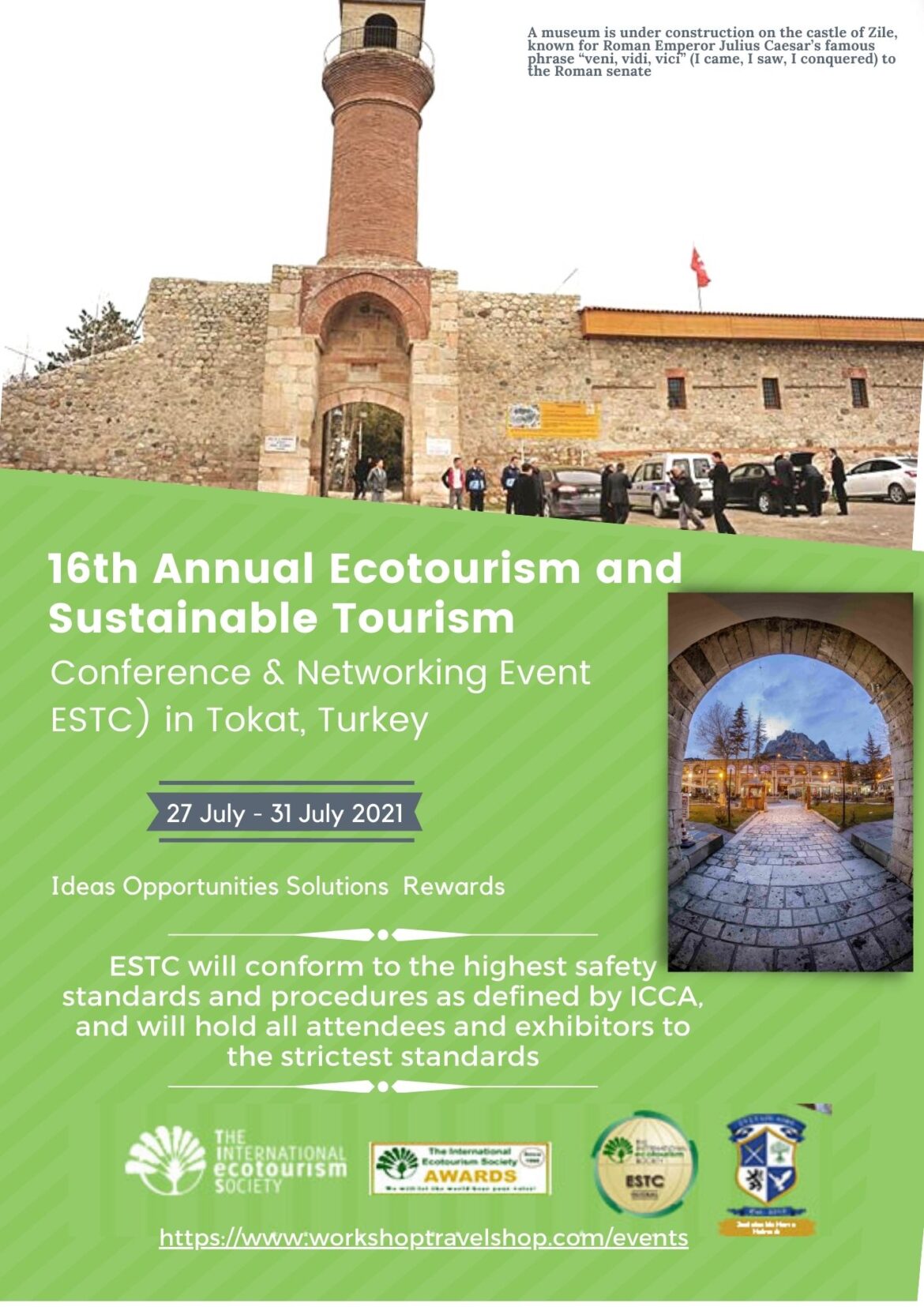
The International Ecotourism Society (TIES) Eurasia Chapter, is hosting the 16th Annual Ecotourism and Sustainable Tourism Conference (ESTC) in Tokat, Turkey from July 27th – 31st 2021.

TIES is dedicated to promoting ecotourism and has been at the forefront of the development of ecotourism, providing guidelines and standards, training, technical assistance and educational resources. TIES’ global network of ecotourism professionals and travellers is leading the efforts to make tourism a viable tool for conservation, protection of bio-cultural diversity and sustainable community development.

ESTC, organized by TIES, is a unique annual conference focused on the advancement of sustainability goals for the tourism industry. Offering invaluable learning and networking opportunities, the ESTC is a leading international meeting place where innovative minds gather to discuss ideas and solutions that inspire change. Promoting policies and practices benefiting businesses and communities, the ESTC helps to reinforce the role of tourism in building a more sustainable future, organized in a different destination each year.

“ESTC annual conference and B2B networking event, widely considered the most important conference in ecotourism, was started in the year 2004. This is the 16th edition and is going to take place in one of the best ecological destinations of Turkey, the beautiful town of Tokat” says Jon Bruno, Executive Director, The International Ecotourism Society.

“At ESTC 2021, we will be hosting eminent personalities in ecotourism from all over the world, discussing the road to recovery of sustainable tourism industry. Also, there will be educational FAM trips in and around Tokat, to visit all natural and evergreen farms and villages that produce apples, pears, onions, garlic and many other organic products. Our goal is to raise awareness of ecotourism and sustainable development practices and to share these and develop them further with our attendees” says Murtaza Kalender, TIES Eurasia Chapter.Head and Vice President of the Society

TIES ECO-AWARDS

The event series will also include the prestigious annual TIES eco-awards. It’s an exclusive contest that identifies and awards the Best Ecological personalities and organizations in 16 different categories, being selected by 5 million registered voters online.

Talking about the safety protocol due to the ongoing pandemic, Kalender adds, “ESTC will conform to the highest safety standards and procedures as defined by ICCA, and will hold all attendees and exhibitors to the strictest standards”.

Log on to this website to register yourself for the event: https://www.workshoptravelshop.com/events/ecotourism-and-sustainable-tourism-conference-and-networking-event-2021

About TIES

TIES (The International Ecotourism Society) is a non-profit organization, was founded in 1990 in the United States. is the oldest and largest ecotourism society in the world, having over 15.000 active members in over 200 countries, with half a million acutely involve social media followers.TIES has an active online community, globalecotourismnews.com, where global Ecological authorities such as writers, and bloggers post and publish their articles, visuals to raise awareness on preserving the planet.

About TIES EURASIA

The global effect of the Covid-19 pandemic brought the attention of communities to sustainability and of eco-system consciousness. TIES, thus, established its Eurasia Chapter to spread the goodness and expand its operations to a wider scale as of May 2020.

May 12, 2021 0 comment
0 FacebookTwitterPinterestEmail
Newer Posts
Older Posts

Recent Posts

  • India–UK Free Trade Agreement Opens Global Growth Opportunities for 3R ZeroWaste’s Circular Economy Solutions
  • Plastic Free July: Why True Sustainability Goes Beyond Swapping Plastic
  • From the Editor’s Desk: When Greed Takes Over Conscience
  • Beyond the Pose: Why Your Yoga Mat Needs a Sustainable Upgrade
  • Best Sustainable Father’s Day Gifts: Conscious Carma’s Exclusive Picks

Recent Comments

  • Team Conscious Carma on Label Shivika Agarwal – where craft meets sustainability
  • Cocomeister.jp on Label Shivika Agarwal – where craft meets sustainability
  • Team Conscious Carma on Equitable City Designs To Fight Climate Change
  • UN report calls for repurposing of USD 470 billion of agricultural support that distorts prices and steer us away from environment and social goals | Consciouscarma on UNEP & ICMR collaborate to boost understanding of environmental dimensions of antimicrobial resistance in India
  • Wild Earth : Natural body products | Consciouscarma on Sat.Suma : the true essence of flowers in your everyday skincare needs

Keep in touch

Facebook Twitter Instagram Youtube

Recent Posts

  • India–UK Free Trade Agreement Opens Global Growth Opportunities for 3R ZeroWaste’s Circular Economy Solutions

  • Plastic Free July: Why True Sustainability Goes Beyond Swapping Plastic

  • From the Editor’s Desk: When Greed Takes Over Conscience

  • Beyond the Pose: Why Your Yoga Mat Needs a Sustainable Upgrade

  • Best Sustainable Father’s Day Gifts: Conscious Carma’s Exclusive Picks

  • How Sacred Sound is Reshaping the Future of Holistic Health?

Categories

  • Community (38)
    • Campaigns (3)
  • CSR (4)
  • Economy (82)
    • Global (24)
    • Industry (42)
    • Innovations (4)
    • National (2)
  • Environment (48)
  • Expert Corner (48)
    • Authored Articles (47)
  • Featured (5)
    • Partners (1)
  • Global News (2)
  • Initiatives (31)
    • CSR (3)
    • Events (6)
  • Inspiration (22)
  • Lifestyle (9)
  • Media Coverage (6)
  • Press Releases (4,358)
  • Products (126)
    • Accessories (27)
    • Apparel (32)
    • Beauty (26)
    • Food (4)
    • Gifting (3)
    • Home Décor (15)
    • Skin-Care (14)
  • Reports (3)
  • Spirituality (10)
  • Sustainability (49)
  • Sustainable Startup Stories (28)
  • Travel (19)
  • Uncategorized (2)
  • Wellness (33)
    • Home Cleaners (3)

Archives

  • August 2026 (1)
  • July 2026 (1)
  • June 2026 (6)
  • October 2024 (1)
  • September 2024 (1)
  • July 2024 (2)
  • June 2024 (2)
  • May 2024 (1)
  • November 2023 (330)
  • October 2023 (554)
  • September 2023 (631)
  • August 2023 (718)
  • July 2023 (723)
  • June 2023 (710)
  • May 2023 (608)
  • April 2023 (114)
  • March 2023 (7)
  • February 2023 (3)
  • January 2023 (11)
  • December 2022 (18)
  • November 2022 (1)
  • August 2022 (6)
  • July 2022 (8)
  • June 2022 (24)
  • May 2022 (11)
  • April 2022 (19)
  • March 2022 (11)
  • February 2022 (11)
  • January 2022 (14)
  • December 2021 (10)
  • November 2021 (4)
  • October 2021 (14)
  • September 2021 (22)
  • August 2021 (12)
  • July 2021 (17)
  • June 2021 (17)
  • May 2021 (16)
  • April 2021 (22)
  • March 2021 (33)
  • February 2021 (16)
  • January 2021 (22)
  • December 2020 (10)
  • Facebook
  • Twitter
  • Instagram
  • Pinterest
  • Linkedin
  • Youtube

@2020 - All Right Reserved. Designed and Developed by Bizopser Technologies

Consciouscarma
  • Home
  • About Us
  • Products
  • Community
    • Campaigns
    • Inspiration
    • Initiatives
    • CSR
  • Features
    • Sustainable Startup Stories
    • Travel
    • Lifestyle
    • Partners
  • Economy
    • Industry
    • Innovations
    • National
    • Global
  • Environment
  • Expert Corner
    • Authored Articles
    • Reports
  • Magazine
  • Contact