Consciouscarma
  • Home
  • About Us
  • Products
  • Community
    • Campaigns
    • Inspiration
    • Initiatives
    • CSR
  • Features
    • Sustainable Startup Stories
    • Travel
    • Lifestyle
    • Partners
  • Economy
    • Industry
    • Innovations
    • National
    • Global
  • Environment
  • Expert Corner
    • Authored Articles
    • Reports
  • Magazine
  • Contact
Category:

Global

agricultural
EnvironmentGlobal

UN report calls for repurposing of USD 470 billion of agricultural support that distorts prices and steer us away from environment and social goals

by Team Conscious Carma September 14, 2021
written by Team Conscious Carma
  • 87% – out of $540 billion – of annual government support to agricultural producers includes measures that can be harmful to nature and health
  • Agriculture is one of the main contributors to climate change through greenhouse gas emissions from different sources
  • Optimizing support for the agricultural sector using a transparent, customised and evidence-based approach, will benefit our planet

Nairobi/Rome/New York, 14 September 2021 – Global support to producers in the agricultural sector amounts to USD 540 billion per year, making up 15 per cent of total agricultural production value. By 2030, this is projected to soar up more than three times to USD 1.759 trillion. Yet 87 per cent of this support, approximately USD 470 billion, is price distorting and environmentally and socially harmful. These are findings of a new UN report calling for repurposing damaging incentives to achieve more of the 2030 Sustainable Development Goals and realize the UN Decade of Ecosystem Restoration.

The report, A multi-billion-dollar opportunity: Repurposing agricultural support to transform food systems, launched by the Food and Agriculture Organisation (FAO), the UN Development Programme (UNDP) and the UN Environment Programme (UNEP) finds that current support to producers mostly consists of price incentives, such as import tariffs and export subsidies, as well as fiscal subsidies which are tied to the production of a specific commodity or input. These are inefficient, distort food prices, hurt people’s health, degrade the environment, and are often inequitable, putting big agri-business ahead of smallholder farmers, a large share of whom are women.

In 2020, up to 811 million people in the world faced chronic hunger and nearly one in three people in the world (2.37 billion) did not have year-round access to adequate food. In 2019, around three billion people, in every region of the world, could not afford a healthy diet.

While the majority of agricultural support today has negative effects, about USD 110 billion supports infrastructure, research and development, and benefits the general food and agriculture sector. Reconfiguring agricultural producer support, rather than eliminating it, will help end poverty, eradicate hunger, achieve food security, improve nutrition, promote sustainable agriculture, foster sustainable consumption and production, mitigate the climate crisis, restore nature, limit pollution, and reduce inequalities.

The Director-General of FAO, Qu Dongyu, said: “This report, released on the eve of the UN Food Systems Summit, is a wake-up call for governments around the world to rethink agricultural support schemes to make them fit for purpose to transform our agri-food systems and contribute to the Four Betters: Better nutrition, better production, better environment and a better life.”

Agriculture is one of the main contributors to climate change through greenhouse gas emissions from different sources, including manure on pastureland, synthetic fertilizers, rice cultivation, burning crop residue, and land-use change. At the same time, agricultural producers are particularly vulnerable to impacts of the climate crisis, such as extreme heat, rising sea levels, drought, floods, and locust attacks.

agricultural

Continuing with support-as-usual will worsen the triple planetary crisis and ultimately harm human well-being. Meeting the goals of the Paris Agreement requires shifting support especially in high-income countries for an outsized meat and dairy industry, which accounts for 14.5 per cent of global greenhouse gas emissions. In lower-income countries, governments should consider repurposing their support for toxic pesticides and fertilizers or the growth of monocultures.

“Governments have an opportunity now to transform agriculture into a major driver of human well-being, and into a solution for the imminent threats of climate change, nature loss, and pollution,” said Inger Andersen, Executive Director of UNEP. “By shifting to more nature-positive, equitable and efficient agricultural support, we can improve livelihoods, and at the same time cut emissions, protect and restore ecosystems, and reduce the use of agrochemicals.”

The report highlights cases where such a process began: the Indian state of Andhra Pradesh that adopted a policy of Zero Budget Natural Farming; the 2006 reform of agricultural policies in China that supports decreased use of mineral fertilizers and chemical pesticides; the Single Payment Scheme in the United Kingdom that removed subsidies in agreement with the National Farmers’ Union; the European Union, where crop diversification has been incentivized through reform of the Common Agricultural Policy (CAP) and the Senegalese programme PRACAS to incentivize farmers to cultivate more diverse crops.

Although there is no one-size-fits-all strategy for repurposing agricultural producer support, the report recommends a broad six-step approach for governments:

  • measuring the support provided;
  • understanding its positive and negative impacts;
  • identifying repurposing options;
  • forecasting their impacts;
  • refining the proposed strategy and detailing its implementation plan; 
  • finally, monitoring the implemented strategy.

“Repurposing agricultural support to shift our agri-food systems in a greener, more sustainable direction — including by rewarding good practices such as sustainable farming and climate-smart approaches — can improve both productivity and environmental outcomes,” said UNDP Administrator, Achim Steiner. “It will also boost the livelihoods of the 500 million smallholder farmers worldwide — many of them women — by ensuring a more level playing field.”

By optimizing support for the agricultural sector using a transparent, customised and evidence-based approach, our planet will benefit from a healthier, more sustainable, equitable and efficient global agri-food system. The report is launched ahead of the 2021 Food Systems Summit (September), COP15 on biodiversity (October) and COP26 on climate change (November). These events will allow governments to make multilateral commitments to rethink outdated agricultural subsidies, build forward better for the post-COVID-19 era, to commit to such a strategy and to coordinate and monitor its implementation. 

About the Food Systems Summit

On 23rd September 2021, UN Secretary-General Antoìnio Guterres will convene a Food Systems Summit as part of the Decade of Action to achieve the Sustainable Development Goals (SDGs) by 2030. The Summit will launch bold new actions to deliver progress on all 17 SDGs, each of which relies to some degree on healthier, more sustainable and equitable food systems.

About the United Nations Environment Programme

UNEP is the leading global voice on the environment. It provides leadership and encourages partnership in caring for the environment by inspiring, informing and enabling nations and peoples to improve their quality of life without compromising that of future generations.

About the Food and Agriculture Organization

FAO is a specialized agency of the United Nations that leads international efforts to defeat hunger. Its goal is to achieve food security for all and make sure that people have regular access to enough high-quality food to lead active healthy lives. With over 194-Member Nations, FAO works in over 130 countries worldwide.

About the UN Development Programme

UNDP works in about 170 countries and territories, helping to eradicate poverty, reduce inequalities and exclusion, and build resilience so countries can sustain progress. As the UN’s development agency, UNDP plays a critical role in helping countries achieve the Sustainable Development Goals.

September 14, 2021 0 comment
0 FacebookTwitterPinterestEmail
policies
EconomyGlobal

Governments are increasingly adopting policies on air quality, but significant gaps hinder global progress towards cleaner air

by Team Conscious Carma September 7, 2021
written by Team Conscious Carma

Nairobi, 7 September 2021 – A global review of policies and programmes to improve air quality shows that over the past five years more countries have adopted policies on all major polluting sectors. Yet large gaps in implementation, financing, capacity, and monitoring mean that air pollution levels remain high. This data is published today, the International Day of Clean Air for blue skies, in a new report by the UN Environment Programme (UNEP).

The report, Actions on air quality: a global summary of policies and programmes to reduce air pollution, is based on recent survey data from 195 countries. It assesses policies and programmes in key sectors that contribute to air pollution: transportation, power generation, industrial emissions, solid waste management, household air pollution, and agriculture. It also looks at air quality monitoring, air quality management and air quality standards as key policy instruments to mitigate the impacts of air pollution.

As of 2020, 124 countries (about two-thirds) were found to have national ambient air quality standards, 17 more than reported in 2016. However, only 9% of these adhere to the limits established by the World Health Organisation (WHO) guidelines.

The report finds that although low-income countries suffer more from air pollution, actions to reduce air pollution have multiple development benefits, including climate mitigation, agricultural productivity, energy security, and economic growth.

Inger Andersen, Executive Director of UNEP, said: “When governments act on air quality, they help prevent seven million premature deaths annually. They also improve the overall health and economic well-being of 92% of the world population that lives where air quality levels exceed World Health Organization (WHO) limits. Today, we have more policies in place than ever before, but it is absolutely critical that we focus on implementation, especially where people are disproportionately affected by poor air quality.”

policies

Since 2016, when UNEP began tracking government actions on air quality, there have been improvements from industrial emissions, transportation, solid waste management, and household air pollution. For the first time, the report also reviews current policies and programmes on agriculture, air quality management and standards:

  • Since 2016,18 more countries have added new vehicle emission standards equivalent to Euro 4/IV or higher, bringing the total to 71 countries. Despite most low-income countries still lacking regulations for emission standards of imported used vehicles, a growing number of national regulations are emerging to reduce the maximum age of imported vehicles and incentivize citizens to get rid of old polluting vehicles. For example, Morocco only permits the import of vehicles less than five years old and those meeting the EURO4 European vehicles emission standard; as a result, it receives only relatively advanced and clean used vehicles from Europe, in line with UNEP’s recommendations;
  • 21 more countries have adopted policies for cleaner production bringing the total number of countries to 108;
  • 95 countries have programmes promoting clean cooking and heating, with 13 new countries compared to 2016. This has led to lower rates of diseases born from household air pollution, mostly in South and East Asia and the Pacific;
  • Though it remains a widespread phenomenon, 26 more countries now strictly regulate burning of solid waste (bringing the total to 38 countries), including landfill gas capture, improved collection, the separation of waste and sound disposal methods;
  • 58 countries have incentives in place to promote sustainable agriculture, and in deploying effective ways to mitigate methane emissions, including alternatives to open burning of agricultural residues, improved livestock manure management, composting to reduce food waste, and using methane capture for energy use;
  • Yet among the 124 countries with air quality standards, only 57 continuously monitor air quality, while 104 countries have no monitoring infrastructure in place. Thisreflects existing data gaps and capacity issues that hinder global progress on air quality.

Despite new clean air policies in countries worldwide and the steady decline of the burden of disease from household air pollution in some regions, health statistics suggest that ambient and indoor air pollution remain a leading global health risk factor. To improve air quality, there would need to be better enforcement of existing policies and regulations, more substantial financing, and more widespread monitoring and stronger capacities.

UNEP is calling on countries to incorporate investments in air pollution clean-up into their post-COVID-19 recovery plans. It is also calling for setting benchmarks to assess current and future actions towards cleaner air and to remove barriers in the implementation of policies and programmes, including financing and capacity gaps, and to overcome affordability and maintenance challenges of monitoring equipment.

The Actions on air quality: a global summary of policies and programmes to reduce air pollution report is complemented by regional report summaries (from Africa, Asia and the Pacific, Europe, Latin America and the Caribbean, North America and West Asia) documenting more in-depth actions in key sectors, as well as regional trends and priorities. UNEP will build on the findings of this report and continue using input from member states to track progress on action to improve air quality and inform efforts to address gaps and challenges globally.


About the International Day of Clean Air for blue skies

Emphasizing the need to make further efforts to improve air quality, including reducing air pollution, to protect human health; acknowledging that improving air quality can enhance climate change mitigation and that climate change mitigation efforts can improve air quality; the United Nationals General Assembly decided to designate 7 September as the International Day of Clean Air for blue skies.

About the United Nations Environment Programme (UNEP)

UNEP is the leading global voice on the environment. It provides leadership and encourages partnership in caring for the environment by inspiring, informing and enabling nations and peoples to improve their quality of life without compromising that of future generations.

September 7, 2021 0 comment
0 FacebookTwitterPinterestEmail
GlobalInspiration

Iceland – World’s most peaceful Country

by Team Conscious Carma September 5, 2021
written by Team Conscious Carma

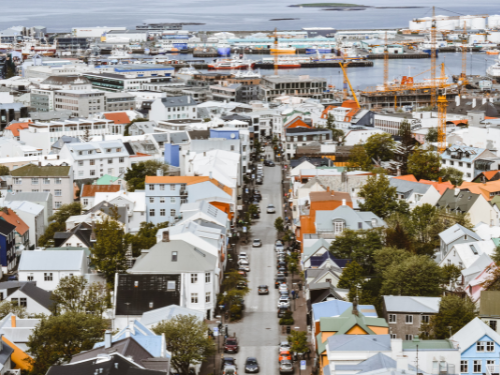
Iceland,  a nation of over 3.5 lakh people has been declared as the most peaceful country in the world, according to the 2021 Global Peace Index. Holding this title since the inception of this Index in 2008, Iceland is also the only Nordic country that is more peaceful now than it was in 2008.

Iceland is followed by New Zealand, Denmark, Portugal, and Slovenia. While Afghanistan is the least peaceful country in the world for the fourth consecutive year, followed by Yemen, Syria, South Sudan, and Iraq. The 2021 GPI reveals a world in which the conflicts and crises that emerged in the past decade have begun to abate, only to be replaced with a new wave of tension and uncertainty as a result of the COVID-19 pandemic and rising tensions between many of the major powers.

Produced by the Institute for Economics and Peace (IEP), the Global Peace Index (GPI) is the world’s leading measure of global peacefulness. This report presents the most comprehensive data-driven analysis to-date on trends in peace, its economic value, and how to develop peaceful societies.

The GPI covers 99.7 per cent of the world’s population, using 23 qualitative and quantitative indicators from highly respected sources, and measures the state of peace across three domains: the level of Societal Safety and Security, the extent of Ongoing Domestic and International Conflict, and the degree of Militarisation.

About Iceland :

One of the youngest landmasses on the planet, and consequently home to some of the world’s most active volcanoes, Iceland is an island in the Atlantic Ocean, located near the Arctic Circle, between Greenland and Norway. Measuring around 103.000 km2 (40,000 square miles), it is about the same size as Hungary and Portugal, or Kentucky and Virginia. Iceland is the second largest island in Europe, following Great Britain, and the 18th largest island in the world. It is also the least populated country in Europe with less than three inhabitants per square kilometer. Almost 80% of the country is uninhabited, and much of its terrain consists of plateaux, mountain peaks, and fertile lowlands.

Iceland enjoys a cool, temperate maritime climate, with refreshing summers and surprisingly mild temperatures in winter. Icelandic culture has been shaped by isolation and the extreme forces of nature. These conditions have created a resilient people, where family ties are close, the sense of tradition is strong, and the bond with nature is tight.

Fisheries, Tourism and Services are the major economic sectors in Iceland. Today, Iceland is a progressive, modern society that continuously ranks at the top of measurements for quality of life, such as the United Nations Human Development Index. Its economy is one of the most productive economies in the world, per-capita, and it is annually considered to be one of greenest countries on the planet, due in large parts to its vast renewable energy resources.

Factors that make Iceland the most peaceful nation

  1. Low crime rate : Iceland has a very low level of crime . The murder rate in Iceland is zero to 1.5 a year, virtually no violent crimes, very small amount of petty crimes. Police officers in Iceland don’t carry guns and the nation has no army. Also, Iceland has no border nations, so no cross border conflicts and tensions..
  2. Relatively high standard of living : Crime is often linked to poverty. Iceland is not without its economical problems, but it does not have real poverty. The nation has low poverty rate and low unemployment rate. Employment regulations are relatively flexible and the labour market is one of the freest in the world. They also have one of the  highest literacy rate in the world
  3. Robust Social welfare system : Iceland has an insurance-based unemployment benefit wherein financial assistance is available for those without other resources. It also has housing benefit for those with low income and  family benefit which includes double the benefit for single parents, supplementary allowance to low income families.  Iceland also has a universal health care and has been ranked as one of the best performing in the world, ranked 15th by the World Health Organization. According to an OECD report, Iceland devotes far more resources to healthcare than most industrialised nations. The education is fairly reasonable. For eg., The University of Iceland has an annual tuition fee of approximately 600 EUR, which is well below Europe’s average of 4,500 EUR per year.
  4. Rich Nation with low income inequality : Iceland’s GDP per capita is amongst the highest in the  World. In 2018, the GDP per capita in Iceland amounted to more than 75,000 U.S. dollars. Also, its income inequality is among the lowest.  A fairly rich nation with equal distribution of income, Iceland has no social clashes.
  5. Progressive human rights and values :  There is no class system in Iceland and freedom of religion is guaranteed.  There are laws strictly forbidding discrimination based on race, gender, disability or other factors, Iceland is by many standards and measurements considered a world leader when it comes to the human rights enjoyed by its people. The nation ranks amongst the most evolved in the world when it comes to gender equality, equal pay for Men and Women, freedom of expression, gay rights,  and levels of democracy. Iceland is also number 1 in gender equality. Iceland was also the first country in the world to have a political party formed and led entirely by women in the year 1983.
  6. Small town feeling : Iceland has a very small and relatively homogenous population and is a very close-knit family oriented community.  Almost everyone knows everyone, and are directly or remotely connected.  People feel safe and secure in such surroundings.

7. No one has a bodyguard, not even the President: This statement stresses how safe the country is: simply put, there is no reason for anyone to have a bodyguard or an entourage for safekeeping. Icelanders feel safe in their country, even if they are in a position of power. 

8. Infants and toddlers take naps outside in their strollers : Having babies sleep in their strollers outside is quite an old tradition and Icelanders swear by it. No one would ever worry about their baby carriage being snatched or their baby being taken simply because it has never happened. Just proves how safe is the nation.

10.  Strict Driving Rules : The strict driving regulations in Iceland contributes  to the overall safety of its citizens and visitors alike. There are no highways in Iceland–the fastest you can possibly drive is 90 kmph (55.9 mph) and if you can travel at that speed, it means you are outside of town. Breaking Iceland‘s strict speeding laws results in shockingly high fines–for a strict adherence to the law.

11. Less tax burden : Iceland has relatively low taxes. Unlike most Western European countries, Iceland has a flat tax system: the main personal income tax rate is a flat 22.75%, and combined with municipal taxes, the total tax rate equals no more than 35.7%, not including the many deductions that are available. The corporate tax rate is a flat 18%, one of the lowest in the world.

12.  Effective Social Security and Pension system : The Icelandic pension system is based on three main pillars: the social security system, an occupational pension system and supplementary pension savings. 

Social security is a public pension system of which all Icelanders are members, with the primary objective of providing mutual insurance, income equalisation and a social safety net for pension recipients. Social security includes pensions, health insurance and disability insurance. 

Everyone who has been legally resident in Iceland for six months automatically becomes a member of the Icelandic social insurance system, regardless of nationality. Social insurance in Iceland is financed by the State Treasury. Persons do not pay special premiums for their social insurance: instead, employers pay premiums to the State Treasury on all paid wages. The funds collected by these means are used among other things, to finance social insurance.

Iceland is #1 in the following

  • Iceland ranks 1st in gender equality.
  • Iceland ranks 1st in income equality.
  • Iceland ranks 1st in the environmentally friendly index.
  • Iceland has the most sold books in the world Per capita.
  • Icelanders produce more writers and books than any other nation in the world. Per capita, that is. 10% of Icelanders will publish a book at one time in their lives.
  • Iceland had the first democratically elected female.
  • Iceland had the first openly gay Prime Minister.
  • Icelanders have the longest workweek in Europe, at 43.5 hours.
  • 100% of Icelanders have internet connections. Iceland is the only country in the world where every single home is connected.
  • Iceland hosts Europes’ largest glacier, Vatnajökull. It’s larger than all of Europe’s glaciers combined.
  • Iceland has the purest water in the world

Source : www.campeasy.com (This is the source for #1)

Sources : https://www.icelandtravel.is/blog/iceland-safest-country-in-the-world/, www,oecd.org, www.Guidetoiceland.is, www.iceland.is, www.government.is

September 5, 2021 0 comment
0 FacebookTwitterPinterestEmail
finland city top
EconomyGlobal

Finland: The happiest country in the world

by Team Conscious Carma July 1, 2021
written by Team Conscious Carma

In the World stricken with a global pandemic and economic slump, everyone’s praying for the return of normalcy and happiness. At this moment, we all just want to be happy, healthy and being surrounded by loved ones more than anything else.

At the same time, being cut off from the crazy competitive world, we are finding happiness in the most mundane deeds and leading a life of gratitude and contentment. Though we all want normalcy to return, I am sure, the meaning of happiness has changed for all of us.

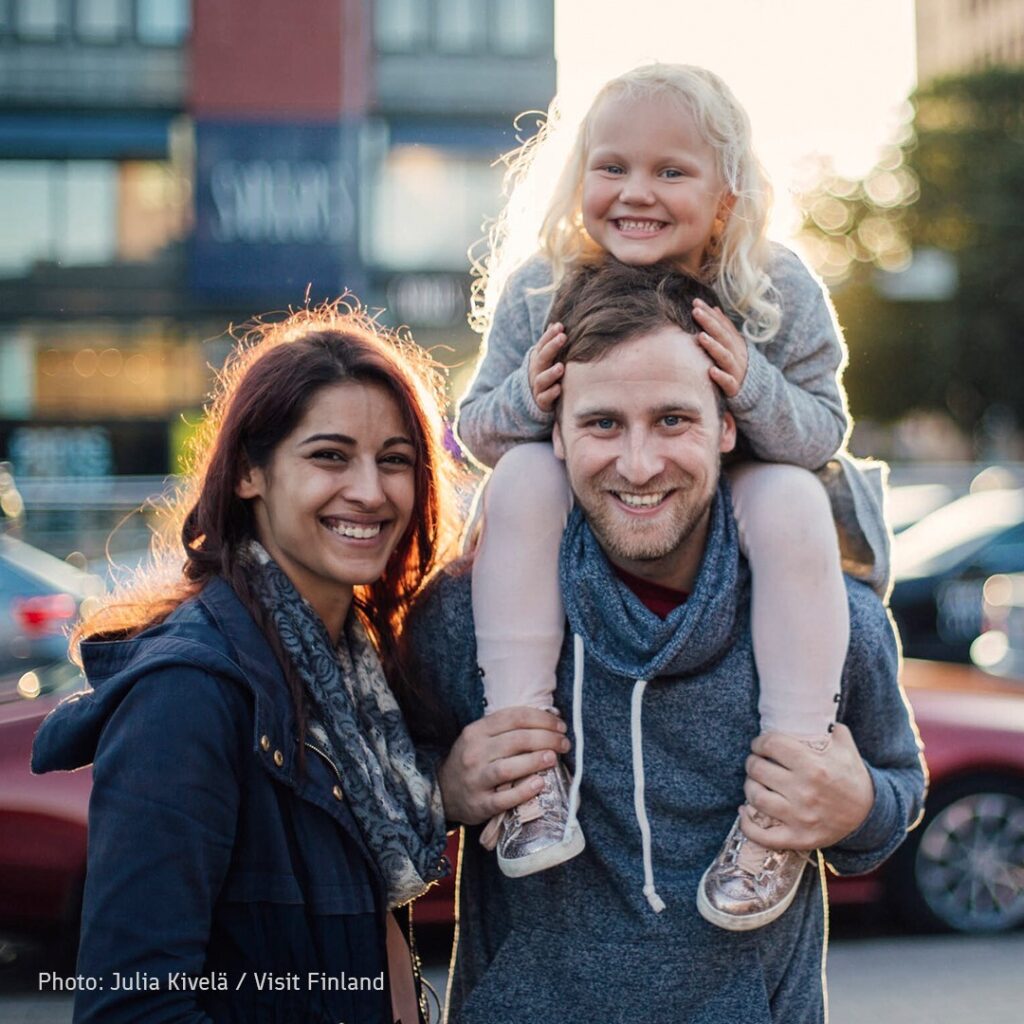
Talking about happiness, do you know, Finland has been ranked as the happiest country for the fourth year in a row, according to the 2021 World Happiness Report. Iceland, Denmark, Switzerland, and the Netherlands following in second, third, fourth and fifth positions respectively. Launched in 2012, the World Happiness Report is an annual survey conducted by the U.N.’s Sustainable Development Solutions Network. The survey ranks global happiness in 149 countries worldwide based on six key variables (income, life expectancy,
social support, freedom, trust, and generosity).

FINLAND – an Introduction

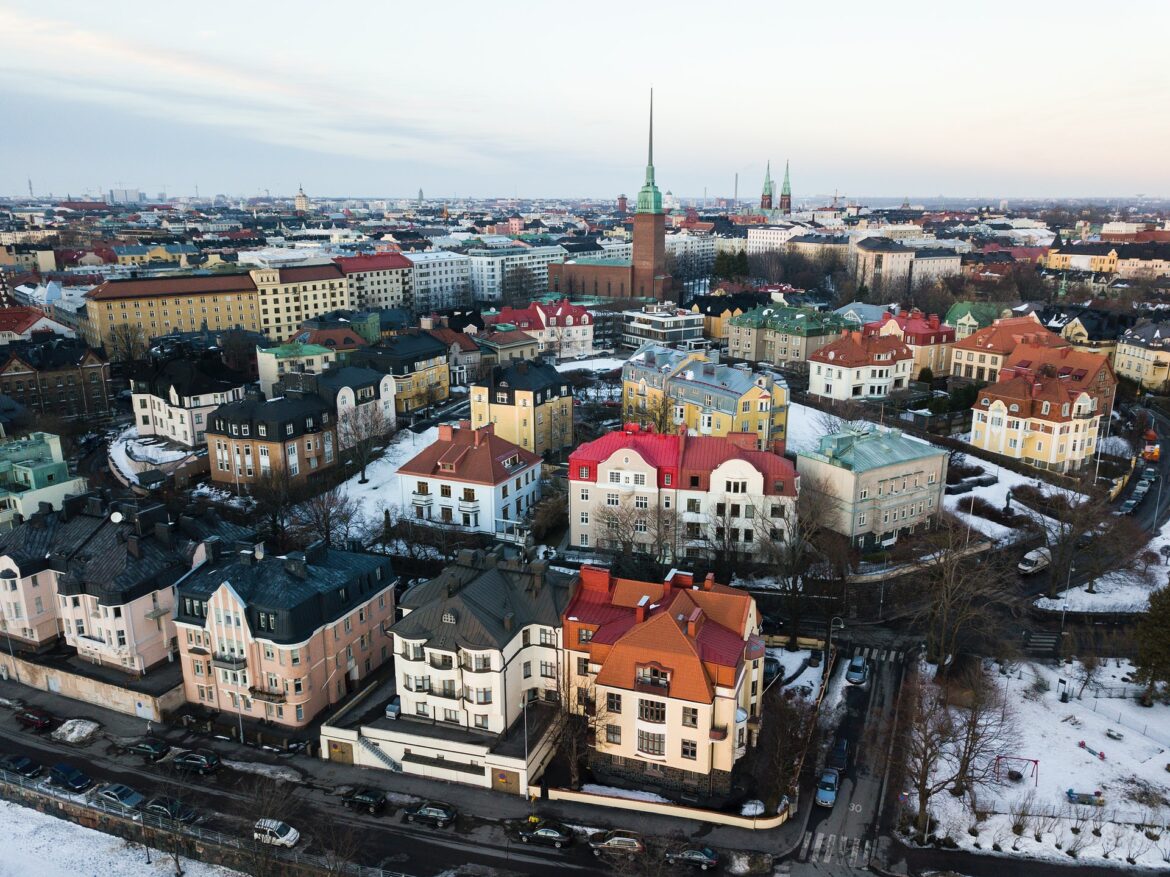
Finland, officially the Republic of Finland, is a Nordic country in Northern Europe, covering an area of 338,455 square kilometres with more than 1,80,000 lakes in it. Its population of 5.5 million. Except for a small highland region in the extreme northwest, the country is a lowland with less than 600 ft (180 m) above sea level. Helsinki is the country’s capital and largest city. It is a bilingual country – Finnish and Swedish are
both official languages.

Finland was under Swedish rule from the 13th century till the 17th century. It later came under Russia during the Great Northern War, (1700–21). In 1917, after Russia was taken over by the Bolsheviks, Finland was finally declared independent. Finland joined the European Union in 1995 and adopted the euro in 1999. Finland’s Prime Minister, Sanna Marin of the Social Democratic Party of Finland is the World’s youngest prime minister.

What makes Finns the happiest of all?

Let’s understand how a country with a history of invasions, slavery and struggle has turned out to be the happiest country in the World.

“Sisu” Philosophy

The Finnish have struggled hard to get their freedom, fought many battles bravely in the coldest and darkest of winters. Unity, integrity, perseverance and grit are the values ingrained in their psyche, popularly called the “sisu” philosophy. This philosophy makes Finnish people optimistic, always looking at the brighter side and living a life of gratitude and contentment.

Best Governance in the World

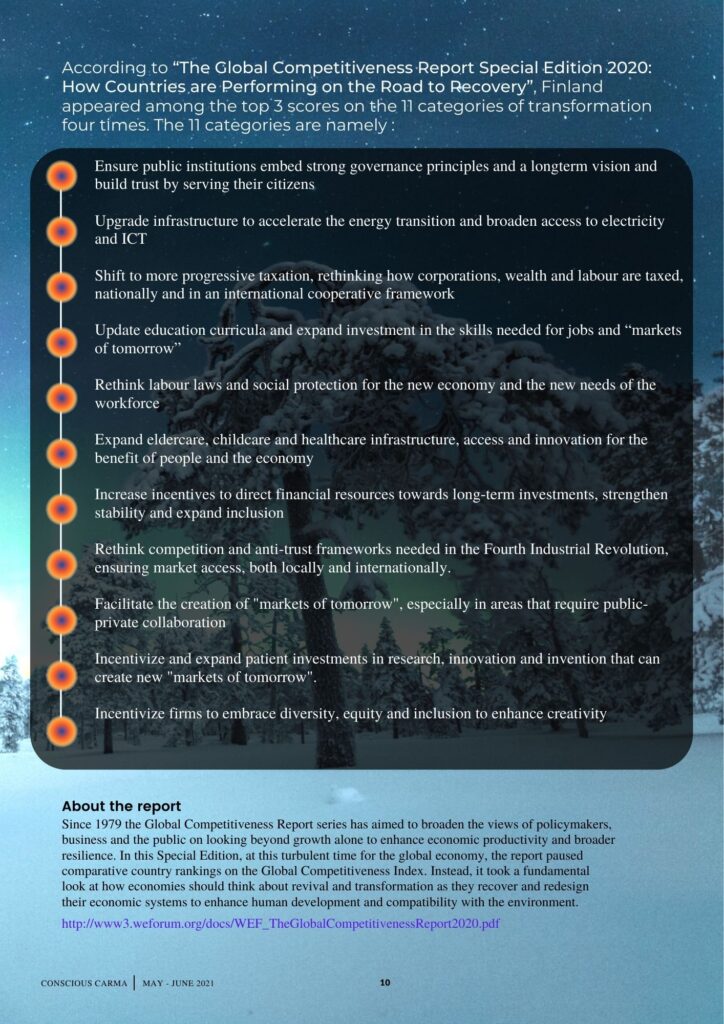
Finland has extensive welfare benefits, free education, free healthcare, low levels of corruption, low crime rates, extended parental and annual leave compared to the rest of the world and a well-functioning democracy. it ranks high for its performances in civil rights, press freedom and quality of life.

According to the Legatum Prosperity Index 2020, Finland has the best governance in the World. The corruption levels are one of the lowest in the world. Finland was ranked 3rd out of 180 countries surveyed in Transparency International’s 2020 Corruption Perceptions Index.

Gender Equality

While Gender equality remains a crucial issue all over the world, Finland has been quick in mending this gap, years ago. In 1906, Finland became the first country in the world to grant full political rights to women – both the right to vote (a first in Europe) and the right to run for office. Also, it became the first European country with women as both president and prime minister in the year 2003.

A warm and welcoming Culture

The Finnish culture is a mix of indigenous heritage, Nordic and European influences. It’s a warm culture where different customs and traditions are being followed in the same spirit. There are Sami, Romani, Swedish-speaking Finns, Tartar, and the Jews, all of them have maintained their unique cultural identities and live in complete harmony. This melting pot can be observed in festivals, literature, visual arts, music, cinema, and even cuisine.

Finns are simple and honest and live to their fullest

Finns appreciate simplicity and honesty in all things and are not materialistic. Life’s simple pleasures make them happy like They love walking in the forests picking blueberries, swimming in icy water.  They believe in living at their own pace, unlike most of the fast-paced and competitive western world.

Finns love outdoor activities, the extremely cold climate is not a hindrance to their venturing out.  In Northern Finland, the sun doesn’t rise above the horizon for weeks. While in summers they have nightless nights when the sun doesn’t set at all from mid-May until late July. They enjoy life even in the coldest and darkest of days like enjoying the glowing white snow and blazing northern lights in dark wintery days and the midnight sun in summers.

One thing the Finnish love most is their sauna. Almost every house has a sauna and it is their daily ritual.  Can you imagine,  there are 3.3 million of them in Finland, which has a population of 5.5 million. “Sauna culture in Finland” is now on the Unesco list of Intangible Cultural Heritage. 

You can witness all sorts of saunas in Finland, tent saunas, car saunas, popup saunas, boat saunas, ice saunas, portable saunas, backyard and rooftop saunas.

A recently published 15-year research project on the health effects of a sauna, led by professor Jari Laukkanen, a cardiologist, showed that frequent visits to the sauna (four to seven times a week) cut the risk of having a stroke by more than 50 per cent compared to one weekly visit. Habitual sauna use also significantly reduces the risk of cardiovascular disease. For the heart, taking a sauna is the equivalent of going out for a brisk walk. You could attribute this as one of the reasons for their long and healthy life.

Finns have Nature’s love in bounty

Finland is a beautiful country,  with thousands of lakes, lush green forests and pristine air and water. The purity in the heart and the purity in the environment makes Finns happy and healthy.

It is Europe’s most forested country, with more than 70% of the land covered with forests. About 17,000 square kilometres of the forest is strictly protected. The Finnish concept of ‘Everyman’s Right’ means that one can walk freely in the forest, enjoy the fresh air and gather the gifts of the forest, mushrooms and blueberries. Of course, this also implies that it’s everyone’s responsibility to keep them clean. 

Being surrounded by nature and getting out into it has long been known to help us feel happier. As there is so much to see and do outdoors in Finland, it is no wonder people here are so positive.

Finland has World’s Best Education System

Finland is an international leader in providing education. It is one of the cornerstones of the Finnish welfare society, where Finnish educators focus on making education an instrument to balance out social inequality. Their educational system offers equal opportunities for education for all. Education from pre-primary to higher is free of charge in Finland, including transportation, meals and study material. Students in Finland often have the same teacher for up to six years of their education, which helps in developing mutual trust and bonding between the teacher and students.

Also, the system gives local schools the autonomy to address local needs by decentralizing administration. Students start school when they are 7 years old and there are only 9 years of compulsory school that Finnish children are required to attend. Everything past the ninth grade or at the age of 16 is optional. The schools starts anywhere from 9:00 – 9:45 AM.

Research has shown that early start times are detrimental to students’ well-being, health, and maturation.

Less stress, less regimentation and more caring, creates a strong happy and positive foundation from the early years. And as a result, Finnish students score higher than most of their peers on international assessment tests, despite peculiarities like having minimal homework and tests, and also a curriculum that puts a big emphasis on music, the arts, and outdoor activities.

July 1, 2021 0 comment
0 FacebookTwitterPinterestEmail
EconomyGlobal

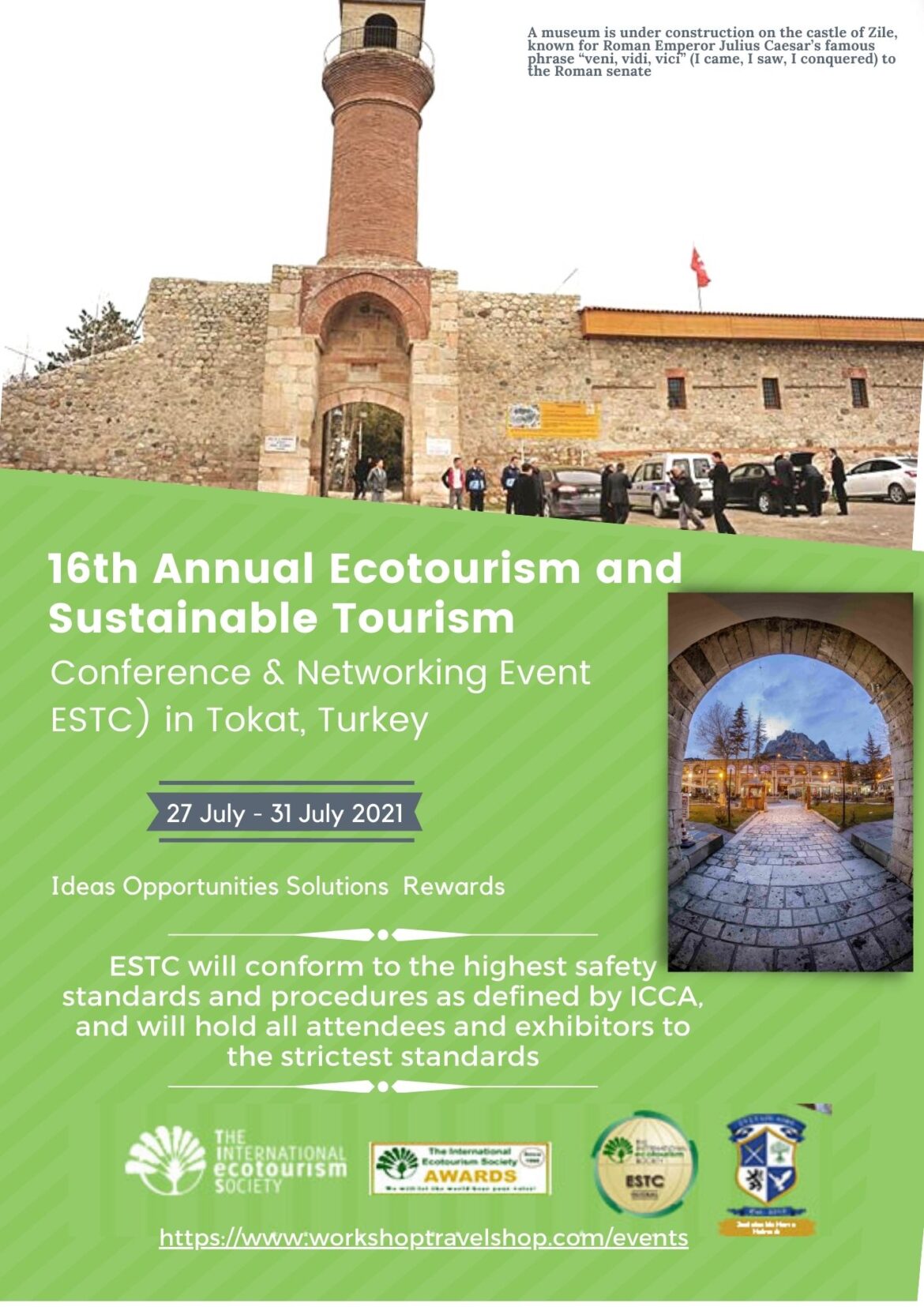
Turkey to host 16th Annual Ecotourism and Sustainable Tourism Conference

by Team Conscious Carma May 12, 2021
written by Team Conscious Carma

July 27th-31st 2021, Tokat, Turkey

The International Ecotourism Society (TIES) Eurasia Chapter, is hosting the 16th Annual Ecotourism and Sustainable Tourism Conference (ESTC) in Tokat, Turkey from July 27th – 31st 2021.

TIES is dedicated to promoting ecotourism and has been at the forefront of the development of ecotourism, providing guidelines and standards, training, technical assistance and educational resources. TIES’ global network of ecotourism professionals and travellers is leading the efforts to make tourism a viable tool for conservation, protection of bio-cultural diversity and sustainable community development.

ESTC, organized by TIES, is a unique annual conference focused on the advancement of sustainability goals for the tourism industry. Offering invaluable learning and networking opportunities, the ESTC is a leading international meeting place where innovative minds gather to discuss ideas and solutions that inspire change. Promoting policies and practices benefiting businesses and communities, the ESTC helps to reinforce the role of tourism in building a more sustainable future, organized in a different destination each year.

“ESTC annual conference and B2B networking event, widely considered the most important conference in ecotourism, was started in the year 2004. This is the 16th edition and is going to take place in one of the best ecological destinations of Turkey, the beautiful town of Tokat” says Jon Bruno, Executive Director, The International Ecotourism Society.

“At ESTC 2021, we will be hosting eminent personalities in ecotourism from all over the world, discussing the road to recovery of sustainable tourism industry. Also, there will be educational FAM trips in and around Tokat, to visit all natural and evergreen farms and villages that produce apples, pears, onions, garlic and many other organic products. Our goal is to raise awareness of ecotourism and sustainable development practices and to share these and develop them further with our attendees” says Murtaza Kalender, TIES Eurasia Chapter.Head and Vice President of the Society

TIES ECO-AWARDS

The event series will also include the prestigious annual TIES eco-awards. It’s an exclusive contest that identifies and awards the Best Ecological personalities and organizations in 16 different categories, being selected by 5 million registered voters online.

Talking about the safety protocol due to the ongoing pandemic, Kalender adds, “ESTC will conform to the highest safety standards and procedures as defined by ICCA, and will hold all attendees and exhibitors to the strictest standards”.

Log on to this website to register yourself for the event: https://www.workshoptravelshop.com/events/ecotourism-and-sustainable-tourism-conference-and-networking-event-2021

About TIES

TIES (The International Ecotourism Society) is a non-profit organization, was founded in 1990 in the United States. is the oldest and largest ecotourism society in the world, having over 15.000 active members in over 200 countries, with half a million acutely involve social media followers.TIES has an active online community, globalecotourismnews.com, where global Ecological authorities such as writers, and bloggers post and publish their articles, visuals to raise awareness on preserving the planet.

About TIES EURASIA

The global effect of the Covid-19 pandemic brought the attention of communities to sustainability and of eco-system consciousness. TIES, thus, established its Eurasia Chapter to spread the goodness and expand its operations to a wider scale as of May 2020.

May 12, 2021 0 comment
0 FacebookTwitterPinterestEmail
EconomyGlobal

France to ban short domestic flights to cut carbon emissions

by Team Conscious Carma April 18, 2021
written by Team Conscious Carma

French lawmakers have approved a bill that will ban short domestic flights in an effort to lower the country’s carbon emissions. Under the proposals, air routes will be abolished where the same journey could be made by train in under two-and-a-half hours.

The climate bill is aimed to remove domestic flights between the capital, Paris, and other cities, such as Nantes, Lyon, or Bordeaux. However, the law does provide exceptions for connecting flights. The planned measures will face a further vote in the Senate before becoming law.

Airlines around the world have been severely hit by the coronavirus pandemic, with the website Flightradar24 reporting that the number of flights last year was down almost 42% from 2019.

In May 2020, the French government forced Air France to give up domestic routes affected by the bill in return for financial support.

Some lawmakers have criticised the bill for its likely impact on the air travel industry, already under intense strain during the global COVID-19 pandemic.

Andrew Charlton, managing director of Aviation Advocacy Geneva, said that the law had been poorly explained to the industry. “There’s an enormous balance [between environmental concerns and business concerns] that has to be struck … it’s an extremely complicated matter,” Charlton said.

.But French consumer group UFC-Que Choisir called on lawmakers to retain the four-hour limit. “On average, the plane emits 77 times more CO2 per passenger than the train on these routes, even though the train is cheaper and the time lost is limited to 40 minutes,” it said. It also called for “safeguards that [French national railway] SNCF will not seize the opportunity to artificially inflate its prices or degrade the quality of rail service”.

This is not the first time similar measures have been introduced. Last year, Austrian Airlines replaced a flight route between the capital Vienna and the city of Salzburg with an increased train service, after receiving a government bailout with provisions to cut its carbon footprint.

Source: BBC News

Note: The content has been edited for style and length

April 18, 2021 0 comment
0 FacebookTwitterPinterestEmail
EconomyGlobal

New Zealand aims to ban smoking for people born after 2004

by Team Conscious Carma April 16, 2021
written by Team Conscious Carma

New Zealand has announced a suite of proposals which would gradually increase the legal age of smoking over time in an effort to make the nation smoke-free by 2025.

Also under consideration was a significant reduction in the level of nicotine allowed in tobacco products, prohibiting filters, setting a minimum price for tobacco, and restricting the locations where tobacco and cigarettes can be sold.

“We need a new approach if the nation wants to reach its goal,” Associate Health Minister Dr Ayesha Verrall said, announcing the changes. “About 4,500 New Zealanders die every year from tobacco, the “best way” to achieve a “smoke-free future” is to prevent people from ever starting to smoke. Business-as-usual without a tobacco control program won’t get us there.”

“Over 75 percent of smokers have tried to quit but smoking is primarily driven by addiction. This makes quitting extremely difficult even though most smokers want to do so. We must provide people with better support in their decisions to stop smoking and in their quit journeys” explained Dr. Verrall.

The proposals were welcomed by a number of public health organisations. “This proposal goes beyond assisting people to quit,” Cancer Society chief executive Lucy Elwood said in a statement. She noted that the number of tobacco retailers was four times higher in low-income communities, where smoking rates were highest.

“These glaring inequities are why we need to protect future generations from the harms of tobacco,” Elwood said. “Tobacco is the most harmful consumer product in history and needs to be phased out.”

But the plans also faced criticism for potential unintended consequences and the possibility of an expanded black market for tobacco.

The proposals have been criticised by right-wing political party ACT, who said one of the restrictions being looked at – lowering the amount of nicotine in cigarettes – could end up negatively affecting working-class smokers as they would need to buy more cigarettes in order to get the same hit.

New Zealand has a population of about five million people and it’s estimated that about 500,000, or one in 10 smoke daily. Smoking accounts for one in four cancer deaths in New Zealand with Māori people worst affected. Māori women have the country’s highest smoking rates, with about 30% smoking daily. Cancer is the leading cause of death for Māori women and the second leading cause for Māori men.

April 16, 2021 0 comment
0 FacebookTwitterPinterestEmail
EconomyGlobal

Australia is banning ‘biodegradable’ plastic

by Team Conscious Carma April 12, 2021
written by Team Conscious Carma

Australia’s federal government has launched its National Plastics Plan to fight plastic on various fronts, such as banning plastic on beaches, ending polystyrene packaging for the takeaway container, phasing microplastic filters in washing machines and banning the main form of biodegradable plastic. 

The plan mentioned that the government will work with industry to fast-track the phasing out of plastic packaging products that do not meet relevant compostable standards and expanded polystyrene (EPS) in consumer packaging by July 2022, while EPS in food & beverage containers and PVC packaging labels by December 2022.  Industry to transition towards 100% packaging being reusable, recyclable or compostable by 2025. 

Many biodegradable plastics are just regular fossil-based plastic with chemicals added to make it break down faster and pollute the environment with microplastics. Also, some biodegradable plastics are made from plant-based plastics that are not suitable for home composting as they require precise conditions to break down.

Plastic packaging represents approximately one million tonnes of Australia’s annual plastic consumption. In 2018-19 about 85% of plastics no longer used were disposed to landfill. This has resulted in at least 50 megatonnes of plastic accumulating in Australian landfills.

The simplest way to reduce plastic waste is to avoid unnecessary and problematic plastics. Improving product design is the most effective way to reduce the amount of plastic waste we create.

The government will also be holding a  Plastics Design Summit in 2021 for product designers and manufacturers to showcase their sustainable product design.

It is also regulating waste plastic exports by banning the export of unsorted mixed plastic from 1 July 2021 and unprocessed single polymer or resin plastics from 1 July 2022.

Facts about plastics

Australia uses around 70 billion pieces of soft “scrunchable” plastics including food wrappers each year.

  • Australians used 3.4 million tonnes of plastics in 2018-2019.
  • One million tonnes of Australia’s annual plastic consumption is single-use plastic 84% of plastic is sent to landfill and only 13% is recycled.
  • Every year in Australia approximately 130,000 tonnes of plastic leaks into the marine environment.
  • Our use of plastic is increasing and across the world will double by 2040.
  • By 2050, it is estimated that plastic in the oceans will outweigh fish.

Source: https://www.environment.gov.au

April 12, 2021 0 comment
0 FacebookTwitterPinterestEmail
EconomyGlobal

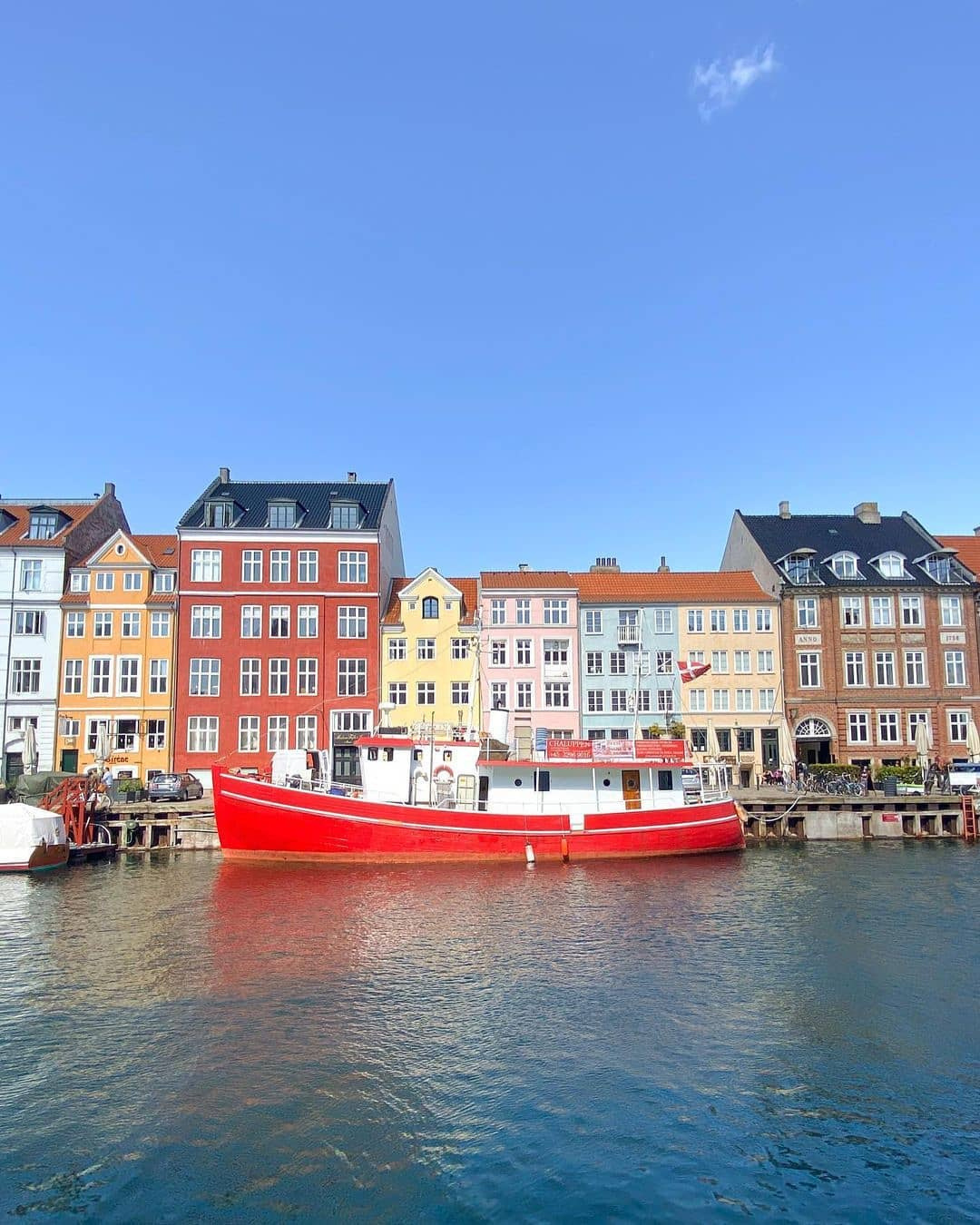
Denmark: World’s Most Eco-friendly Country

by Team Conscious Carma March 13, 2021
written by Team Conscious Carma

Home to World’s No. 1 & No. 2 Sustainable Corporations

Denmark, in Northern Europe, is the World’s most eco-friendly country, according to the 2020 Environmental Performance Index (EPI). Now in its 22nd year, the EPI report has become the premier metrics framework for global environmental policy analysis ranking 180 countries on 32 performance indicators across 11 issue categories covering environmental health and ecosystem vitality.

Denmark is a constitutional monarchy ruled by a representative democracy. In 1971 Denmark established a Ministry of Environment and was the FIRST country in the world to implement an environmental law in 1973. The country shows consistent, cutting-edge commitments to clean green climate change initiatives.

“Denmark excels in almost every indicator of environmental health, having long made significant commitments to air quality, advanced sanitation, and safe drinking water. The highest-ranked country also stands out in solid waste management, with virtually all of the waste being recycled, composted, or incinerated. In addition, Denmark leads the world in the breadth and depth of its programs to tackle climate change, including a recently announced target of cutting its greenhouse gas emissions by 70% by 2030”, the report states.

Spread over an area of 42,924 square kilometres and a population of over 5.82 million, Denmark is considered to be one of the most economically and socially developed countries in the world. It has the lowest level of corruption in the world, a high level of income equality and one of the world’s highest per capita incomes. According to the International Monetary Fund, it has the world’s highest minimum wage, attributed to its powerful trade unions. A worker in a fast-food chain makes the equivalent of US$20 an hour, which is more than double what their counterparts earn in the United States, and have access to five weeks of paid vacation, parental leave and a pension plan.

Once a predominantly agricultural country, Denmark has greatly expanded its industrial base and service sector. By 2017, the Services sector contributed approximately 75% of GDP, manufacturing about 15% and agriculture less than 2%. Major industries include Wind Turbines, Pharmaceuticals, Medical Equipment, Machinery and Transport Equipment, Food Processing and Construction. Denmark is a major exporter of Food and Energy. Denmark ranks 10th most competitive economy in the world, according to the World Economic Forum’s Global Competitiveness Report 2018.

Denmark is a long time leader in wind power. The country aims for renewables to cover at least half of the country’s total energy consumption by 2030 and by 2050, Denmark aims to be a low-carbon society independent of fossil fuels. The country also exported roughly 460 million GJ of energy in 2018. It’s noteworthy to mention that Countries making concerted efforts to decarbonize their electricity sectors have made the greatest gains in combating climate change, with associated benefits for ecosystems and human health.

More than half of Denmark’s electricity came from wind and solar power in 2020, surpassing 2019 as the greenest year in Danish electricity history. In ten years, the share of wind and solar power in Danish electricity has doubled.

In order to achieve the country’s commitment to reduce 70% emissions by 2030 and becoming CO2 neutral by 2050, Denmark’s government has approved its plan to construct artificial renewable energy island in the North Sea, 80 kilometres off the coast of Jutland.

For the first phase- the artificial renewable energy island is set to have a capacity of 3 GW. This island will serve as a hub for approximately 200 offshore wind turbines to neighbouring countries’ electricity grids. In the future, the hub could be expanded to 10 GW which will allows the system to power 3 million homes in Europe.

This largest construction project in Danish history would be owned by a public-private partnership with the Danish state holding a majority stake. The island construction is expected to start in 2026 and targeted to operate in 2033.

Continue Reading
March 13, 2021 0 comment
0 FacebookTwitterPinterestEmail
turkey zero waste project
EconomyGlobal

Turkey saves $2.2 bln with Zero Waste project, says minister

by Team Conscious Carma March 6, 2021
written by Team Conscious Carma

Turkey has saved around 17 billion Turkish Liras ($2.2 billion) with the Zero Waste Project led by First Lady Emine Erdoğan, Turkish Environment and Urbanization Minister Murat Kurum has said.

“We are taking firm steps toward our 2023 goals in line with the Zero Waste Project,” Kurum said on March 5 in a Twitter post by sharing an infographic of data showing the progress they have made through the project so far.

According to the minister, the amount of energy savings has been 315 million kilowatts per hour, and some 209 million trees have been saved so far with the help of the project.

“Some 84,000 public buildings have started using a zero-waste system,” Kurum said.

The aim is to save 20 billion liras ($2.66 billion) and provide employment to 100,000 people by 2023, the 100th anniversary of modern Turkey.

“We have saved 345 million cubic meters of water, 54 million barrels of oil and 397 million tons of raw material,” Kurum said.

Noting that the per cent of recycled content has jumped from 13 per cent to 19 per cent in a short time, Kurum said, “The goal for 2023 is to increase it to 35 per cent.”

The ministry started the Zero Waste project in 2017 under the auspices of the first lady.

Since then, the country has organized several international zero waste summits, encouraging public institutions and municipalities to adapt to zero waste policies.

“Protecting the environment is not a choice; it is a necessity,” the first lady said in an introductory meeting of the project in 2019.

Source: https://www.hurriyetdailynews.com

Checkout more Global news from here

March 6, 2021 0 comment
0 FacebookTwitterPinterestEmail
Newer Posts
Older Posts

Recent Posts

  • India–UK Free Trade Agreement Opens Global Growth Opportunities for 3R ZeroWaste’s Circular Economy Solutions
  • Plastic Free July: Why True Sustainability Goes Beyond Swapping Plastic
  • From the Editor’s Desk: When Greed Takes Over Conscience
  • Beyond the Pose: Why Your Yoga Mat Needs a Sustainable Upgrade
  • Best Sustainable Father’s Day Gifts: Conscious Carma’s Exclusive Picks

Recent Comments

  • Team Conscious Carma on Label Shivika Agarwal – where craft meets sustainability
  • Cocomeister.jp on Label Shivika Agarwal – where craft meets sustainability
  • Team Conscious Carma on Equitable City Designs To Fight Climate Change
  • UN report calls for repurposing of USD 470 billion of agricultural support that distorts prices and steer us away from environment and social goals | Consciouscarma on UNEP & ICMR collaborate to boost understanding of environmental dimensions of antimicrobial resistance in India
  • Wild Earth : Natural body products | Consciouscarma on Sat.Suma : the true essence of flowers in your everyday skincare needs

Keep in touch

Facebook Twitter Instagram Youtube

Recent Posts

  • India–UK Free Trade Agreement Opens Global Growth Opportunities for 3R ZeroWaste’s Circular Economy Solutions

  • Plastic Free July: Why True Sustainability Goes Beyond Swapping Plastic

  • From the Editor’s Desk: When Greed Takes Over Conscience

  • Beyond the Pose: Why Your Yoga Mat Needs a Sustainable Upgrade

  • Best Sustainable Father’s Day Gifts: Conscious Carma’s Exclusive Picks

  • How Sacred Sound is Reshaping the Future of Holistic Health?

Categories

  • Community (38)
    • Campaigns (3)
  • CSR (4)
  • Economy (82)
    • Global (24)
    • Industry (42)
    • Innovations (4)
    • National (2)
  • Environment (48)
  • Expert Corner (48)
    • Authored Articles (47)
  • Featured (5)
    • Partners (1)
  • Global News (2)
  • Initiatives (31)
    • CSR (3)
    • Events (6)
  • Inspiration (22)
  • Lifestyle (9)
  • Media Coverage (6)
  • Press Releases (4,358)
  • Products (126)
    • Accessories (27)
    • Apparel (32)
    • Beauty (26)
    • Food (4)
    • Gifting (3)
    • Home Décor (15)
    • Skin-Care (14)
  • Reports (3)
  • Spirituality (10)
  • Sustainability (49)
  • Sustainable Startup Stories (28)
  • Travel (19)
  • Uncategorized (2)
  • Wellness (33)
    • Home Cleaners (3)

Archives

  • August 2026 (1)
  • July 2026 (1)
  • June 2026 (6)
  • October 2024 (1)
  • September 2024 (1)
  • July 2024 (2)
  • June 2024 (2)
  • May 2024 (1)
  • November 2023 (330)
  • October 2023 (554)
  • September 2023 (631)
  • August 2023 (718)
  • July 2023 (723)
  • June 2023 (710)
  • May 2023 (608)
  • April 2023 (114)
  • March 2023 (7)
  • February 2023 (3)
  • January 2023 (11)
  • December 2022 (18)
  • November 2022 (1)
  • August 2022 (6)
  • July 2022 (8)
  • June 2022 (24)
  • May 2022 (11)
  • April 2022 (19)
  • March 2022 (11)
  • February 2022 (11)
  • January 2022 (14)
  • December 2021 (10)
  • November 2021 (4)
  • October 2021 (14)
  • September 2021 (22)
  • August 2021 (12)
  • July 2021 (17)
  • June 2021 (17)
  • May 2021 (16)
  • April 2021 (22)
  • March 2021 (33)
  • February 2021 (16)
  • January 2021 (22)
  • December 2020 (10)
  • Facebook
  • Twitter
  • Instagram
  • Pinterest
  • Linkedin
  • Youtube

@2020 - All Right Reserved. Designed and Developed by Bizopser Technologies

Consciouscarma
  • Home
  • About Us
  • Products
  • Community
    • Campaigns
    • Inspiration
    • Initiatives
    • CSR
  • Features
    • Sustainable Startup Stories
    • Travel
    • Lifestyle
    • Partners
  • Economy
    • Industry
    • Innovations
    • National
    • Global
  • Environment
  • Expert Corner
    • Authored Articles
    • Reports
  • Magazine
  • Contact