Consciouscarma
  • Home
  • About Us
  • Products
  • Community
    • Campaigns
    • Inspiration
    • Initiatives
    • CSR
  • Features
    • Sustainable Startup Stories
    • Travel
    • Lifestyle
    • Partners
  • Economy
    • Industry
    • Innovations
    • National
    • Global
  • Environment
  • Expert Corner
    • Authored Articles
    • Reports
  • Magazine
  • Contact
Monthly Archives

March 2021

CommunityInspiration

Applauding Women of Strength and Substance

by Team Conscious Carma March 21, 2021
written by Team Conscious Carma

Women have always played an important role in India, be it our goddesses, our warrior queens, our uneducated yet highly talented women folk in villages and our urban educated women working in almost every sphere of life. And not to forget our humble yet very strong women who are taking charge of their house and family while husbands are away earning the bread. The recent SC ruling makes it crystal clear, isn’t it.

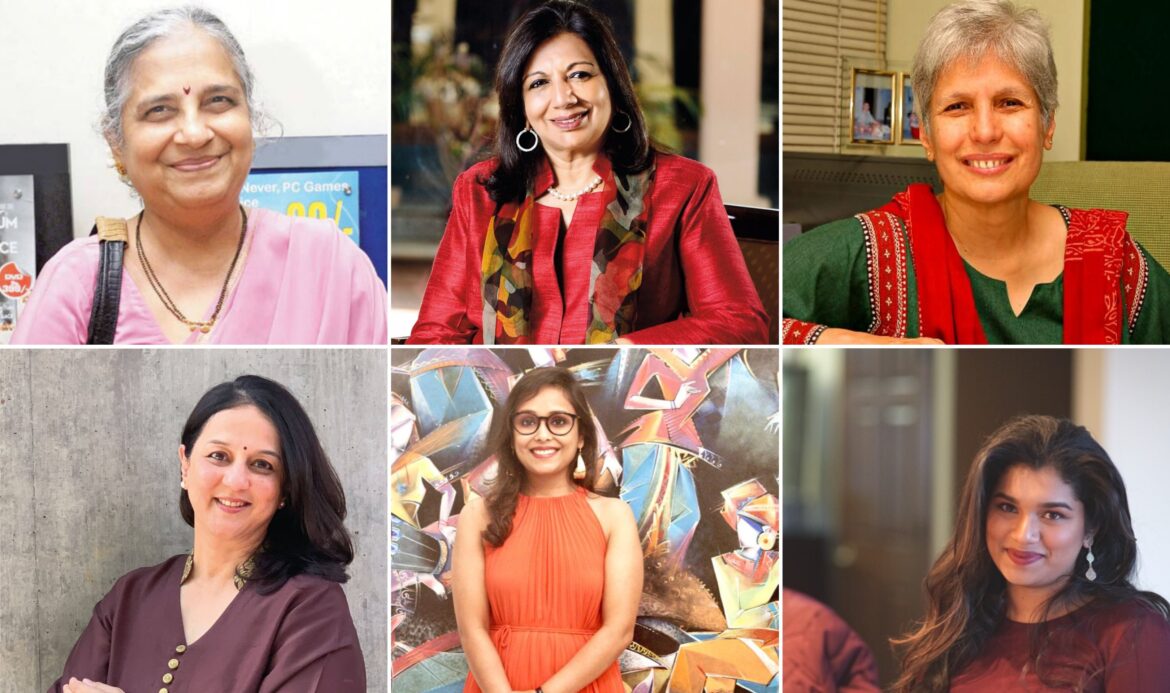
As women’s Day is around the corner, Conscious Carma brings to you some of the most impressive women in India who have shown strength in adversities and have dedicated their efforts to bring smiles to thousands.

Sudha Murthy

The Chairperson of Infosys Foundation believes that philanthropy is not mere financing, it needs a compassionate heart. In her own words, “Philanthropy has nothing to do with money. It’s a warm hug, a kind word . . . that can change lives. It’s about helping fellow human beings.” True to her belief, Murthy has been one of the most generous hearts in Indian philanthropy. She has devoted herself to education, poverty alleviation, healthcare, sanitation and public hygiene, arts and culture, and more.

To combat the Coronavirus pandemic, the Infosys Foundation has built hospitals, supplied PPE kits, and mobilized around 150 crores. And offered Rs 10 crore from their personal funds toward Akshaya Patra Foundation for serving food and distributing essential groceries to the migrant labourers and daily wage earners.

A recipient of many awards for her charitable activities and writing, the highest honour she has received is the Padma Shri, India’s fourth-highest civilian award.

“Serving people has bought me a tremendous amount of calmness. Nothing else matters to me now,”

she says, defining the makings of a true philanthropist.

Kiran Mazumdar-Shaw

Executive Chairperson, Biocon – India’s richest self-made woman, has been named EY World Entrepreneur Of The Year 2020 for her contribution in improving universal access to affordable life-saving medicine and transforming the world. She was selected among 46 entrepreneurs from 41 countries and territories. She became the third Indian to win the Award after Uday Kotak of Kotak Mahindra Bank in 2014 and Narayana Murthy of Infosys in 2005. She also becomes the second woman to hold the title, following Olivia Lum of Singapore’s Hyflux Limited in 2011.

Millions of people living with diabetes now have access to affordable insulin, while millions more who are battling cancer, rheumatoid arthritis and other debilitating diseases now have access to affordable biosimilars, thanks to Biocon, making a lasting impact on global health care.

“My business focus is global health care and the provision of universal access to life-saving medicine; however, my responsibility as an entrepreneur is greater than simply delivering value to shareholders. Wealth creation can be a catalyst for change, and all entrepreneurs have a responsibility to the world around them and the communities in which they operate. Women also play a hugely important role in economic development, and for too long their contribution has been ignored,”

says Kiran Mazumdar-Shaw.

Anu Aga

The former Chairperson of Thermax is on a mission to provide education to underprivileged children in India. Two words that define this charismatic woman are – Courageous and Ethical. A trained social worker, Anu was heading HR at Thermax when her husband, CEO of Thermax, had a fatal heart attack and lost his life in the year 1996. Anu took reins of the company at a time when its share price plunged from Rs.400 to Rs.36 due to the downturn in the Indian economy. With sheer courage and determination, and never compromising on the ethics, Anu orchestrated one of the greatest revival stories corporate India had witnessed. In 2007 she was part of 40 Richest Indians by net worth according to Forbes magazine.

After stepping down as Chairperson in 2004, Anu is devoted to her true calling, helping and educating the underprivileged, through Akanksha Foundation and Teach For India. Under her wings, four students were selected for full scholarships at world colleges, and five got selected to the Azim Premji University. In 2010 she was awarded the Padma Shri for Social Work by the Government of India. She was nominated to Rajya Sabha, the Upper House of Indian Parliament in 2012, by the President of India.

“Don’t make me larger than life. I was and am, very ordinary,”

says the humble Anu Aga.

Rohini Nilekani

An Indian writer, author and a stay-at-home mother raising her two children, took to philanthropy two decades ago. At present, she is the founder-chairperson of Arghyam Foundation, a non-profit that focuses on water and sanitation issues, also the Founder-Chairperson of Pratham Books, a non-profit children’s publisher. She also chaired the Akshara Foundation, which focuses on elementary education, and serves as the co-founder and director of the non-profit education platform, EkStep.

Rohini Nilekani calls herself an “accidental philanthropist” because of her accidental wealth. In 1981, when just 20 years old, Nilekani invested Rs.10,000, all the money she had – into a company co-founded by her husband, Nandan Nilekani, along with six close friends. That company grew into Infosys Ltd., India’s second-largest technology company, and this rich noblewoman got into philanthropy full time.

A committed philanthropist, Rohini together with her husband Nandan Nilekani (Co-founder Infosys), signed the GIVING PLEDGE in 2017, which commits half their wealth to philanthropic causes. She is seeking to address the extreme inequality between the ‘have-everythings’ and the ‘have nothings’ through her philanthropies.

She is on the Board of Trustees of ATREE, an environmental think tank, and serves on the Eminent Persons Advisory Group of the Competition Commission of India.

“I believe that wealth comes with huge responsibility and is best deployed in the larger public interest”

Rohini Nilekani

The Millennials inspired by their seniors

Swati Pasari

After finishing her business studies in Australia, Swati was all determined to join her family business in Kolkata. However, she took to art and social service as she found her true calling in spreading happiness and positivity.

She began her journey as the youngest trustee at a hospital in Varanasi quite early in her life. . During one of her visit to Kashi Vishwanath temple in Varanasi along with her grandfather, she was introduced to this side of the world. It was the suffering that she saw around in the hospital that encouraged her to continue her philanthropic work. Since then Swati has taken upon her shoulders the responsibility of running it and most part of her earnings from Art is being diverted there. Even when she is not in Varanasi, she actively participates in Charitable Art Exhibitions and fundraisers, to ensure happiness and positivity around her. Also, being a highly spiritual person, Swati is practising Pranic Healing to relieve others of pain.

“As a spiritual person, I believe in giving back to society as a token of thankfulness to the almighty, for everything I have been blessed with in my life”

Swati Pasari

Meghna Anita

Meghna Anita, a student of bachelor’s degree in neuroscience, University of Minnesota, Minneapolis also works part-time as a COVID case manager for the Department of Health, Government of Minnesota. She has been interested in politics and social justice from a young age. As a debater in high school, she learned about and debated the nuances of US laws and which spurred her interest in activism. She has attended numerous protests including the Women’s March and has spent the last four years of her college career working with survivors of sexual assault and domestic violence.

Inspired by women like Sudha Murthy in India, she has been wanting to take part in initiatives that actually empower women to be self-sufficient rather than receiving handouts. When the coronavirus pandemic began, Meghna chose to contribute seed money of about INR 75000 to a women’s micro-enterprise that would focus on creating face masks in Kochi, Kerala. The approach taken was a build, operate, transfer model, where the micro-enterprise was built and put into operation and then left to the tailors and local management to run the business and take decisions on their own.

Meghna wants to continue to help women by starting future cooperatives/micro-enterprises within the US and India. She has continued to work with victims of sexual violence and hopes to continue this work in some capacity during her professional career.

“The most difficult thing is the decision to act, the rest is merely tenacity.” by Amelia Earhart

is a quote she swears by

March 21, 2021 0 comment
0 FacebookTwitterPinterestEmail
EconomyEnvironment

Water overflows in India’s Union Budget 2021

by Team Conscious Carma March 20, 2021
written by Team Conscious Carma

Rs. 4.28 trillion (USD 57 billion) allocated for water issues for the next 5 years

  • The mission aims to supply water to 4,378 urban local bodies with 2.68 crores tap connections
  • Liquid waste management would be carried out across 500 AMRUT cities

Water supply got a boost in the Union Budget 2021 presented in Parliament by finance minister Nirmala Sitharaman. An outlay of Rs2.87 trillion towards the launch of the Jal Jeevan Mission Urban was announced in her budget speech. The next phase of the Swachh Bharat Mission focusing on the management of sludge, wastewater and construction and demolition waste in cities has also been announced.

The World Health Organization has repeatedly stressed the importance of clean water, sanitation, and a clean environment as a prerequisite to achieving universal health. The mission aims to supply water to 4,378 urban local bodies with 2.68 crore tap connections. Liquid waste management would be carried out across 500 AMRUT (the Atal Mission for Rejuvenation and Urban Transformation) cities,” Sitharaman said. The scheme will be implemented over five years.

The Swachh Bharat Mission (Urban), which was being implemented by the Ministry of Housing and Urban Affairs, would get a second round. “For further cleanliness of urban India, we intend to focus on complete faecal sludge management and wastewater treatment, source segregation of garbage, reduction in single-use plastic, reduction in air pollution by effectively managing waste from construction-and-demolition activities and bio-remediation of all legacy dump sites,” she emphasized. The Swachh Bharat Mission(Urban)2.0 would be implemented over 5 years–2021 till 2026–with an outlay of Rs.1.41 trillion.

Context

In July 2019, the government had formed a new ministry, Jal Sakti, to address all water issues in the country. The ministry also looks at the management of water resources and drinking water supply in a holistic manner.

The ministry was formed by integrating it with other existing ministries, such as water resources and the ministry of drinking water and sanitation. The larger aim is to work with state governments to ensure ‘Har Ghar Jal’ to all rural households by 2024. The announcement was made at a time when the country is grappling with one of the most severe water crisis that it has faced.

Significance

More than 3,500 cities are not supported by any structured scheme. So the government has decided to launch another scheme to cover 4,000 cities and towns for water supply. The proposal estimates JJM-Urban to target 26.8 million households which do not have tap connections and 26.4 million households without sewerage or septage facilities. The proposal would subsume AMRUT under JJM-Urban. The ongoing AMRUT programme focuses on 500 cities, mostly those with over 100,000 population, and aims to provide tap connections to 13.9 million households. The scheme has currently provided 9.5 million connections, roughly 75 per cent. While JJM (U) aims to saturate urban areas with tap connections, the remaining sewage connections outside of the AMRUT cities will be overseen by the Swachh Bharat Mission.

The proposed funding pattern for JJM (U) is to have the Centre provide 100 per cent funding in Union Territories without a legislature, 90 per cent in North Eastern and the other Himalayan States, 50 per cent in cities with a population below one lakh, 33 per cent in cities with a population between 0.1 and 1 million, and 25 per cent in cities with over a million people. “With ever-changing scenarios in the field of water, like improving technology, funding through external sources and availability of water through various sources like surface water, recycled wastewater, harvested rainwater etc. it is imperative to devise comprehensive water plans for every city… The water supply needs to be sustainable, equitable and should meet specified quality standards,” as per the proposal.

The Agence Française de Développement (AFD), the French Development Bank, and KfW, the German Development Bank, have shown interest to fund up to USD 200 million and USD 300 million, respectively. As per the 2011 Census, India’s urban population is roughly 377 million, of which 320 million people live in 4,041 statutory towns and204.8 million people have access to a piped water supply. At the household-level, 42.8 million households out of a total of 67.1 million in the statutory towns had access to a piped water supply. The proposal to the EFC estimates a total urban population of 440.3 million in statutory towns by 2025 (assuming a growth rate of 2.31 per cent), of which 331.9 million will have access to the piped water supply. Similarly, it estimates 92.4 million urban households in all statutory towns.

Conclusion

The Govt has recognized the importance of water and wastewater management for the social and economic development of the country. They also see the looming crisis if the issue is not addressed quickly. The issue also has sizeable political benefits, as the voting public attaches great value to availability of water and sanitation infrastructure. While the money has been put in, robust implementation would be needed to make it work. Previous initiatives like the Namame Gange project have not yielded the desired results.

Policy, technology, planning and project management needs to come together to achieve the stated goals. Rather than looking at the issue as an engineering problem, there is a need to involve civil society, to change mindsets and to address the issues at a mission-critical level. All right-minded individuals and corporates need to come together to ensure safe water and sanitation is available to all …

March 20, 2021 0 comment
0 FacebookTwitterPinterestEmail
Home DécorProducts

Topstona’s latest collection of Stonewall claddings

by Team Conscious Carma March 19, 2021
written by Team Conscious Carma

Bland walls are out! Moody walls are in! Evocative tones and an interplay of patterns are a clear trend for 2021! From timeless black and grounding earth tones to enchanting illusions and classic patterns, Topstona’s curation of unique wall claddings evoke elegant, persuasive moods for any aesthetic- contemporary, classic, eclectic and worldly.

Stones are sustainable and Eco-friendly 

Stone is a natural material, a natural product of the Earth, the original green building material. It does not require other materials or resources to create it. It is very durable, the choice to use natural stone will only enhance the value of your home while reducing the need to replace materials over a longer period of time. It also offers ease of care and maintenance. Stone is completely recyclable and has the potential to serve many different uses and purposes over its lifetime. Moreover, advancements in technology, including improved methods of quarrying, extraction, and fabrication have led to increased options and reduced costs of stone products, making natural stone easier to use and more desirable than ever before.

Topstona’s  Moods 2021, that’s what the collection is called is available in All Black, Earth Tones, Geometry Patterns, Power Pastels and Rainbow of Metallics. 


Availability: Dealers across India

March 19, 2021 0 comment
0 FacebookTwitterPinterestEmail
Authored ArticlesExpert Corner

Why cities that work for young children work for all

by Team Conscious Carma March 18, 2021
written by Team Conscious Carma

Rushda Majeed

The first 1,000 days of life are the most critical for the holistic well-being of children. The brain develops the quickest in these years – one million new neural connections form per second – and its healthy development requires that children have adequate nutrition, opportunities to learn, nurturing care, and safety. The physical environment plays a vital role, which is why it’s important that cities are child- and family-friendly.  

Babies and toddlers need secure, healthy environments, warm and responsive interactions with loving adults, and safe, stimulating physical environments. Their caregivers—often including not only parents, but also grandparents and elder siblings— need crucial services to be easily accessible, among other things.

However, family-centred urban design is more than building playgrounds. Cities must keep in mind:

Design for caregiving: Children do not wander through cities by themselves; those looking after them decide where to go and how long to stay. These caregivers need to feel safe and comfortable.

Proximity matters: Good public transport is important, as is being able to walk safely, comfortably and quickly to your destination. Cities need walkable, mixed-use neighbourhoods that cater to a young family’s needs within 15 minutes on foot.

‘Think babies’ as a universal design principle: From a design perspective, babies and their caregivers’ vulnerability and drive to explore and play mean that if a space is safe, clean and interesting enough for them, it’s likely to work for everyone.

Children aged zero to four make up nearly 10% of India’s population (2011 Census). Many of them are or will be living in cities over the next decade. Our cities are therefore ripe for design interventions that benefit infants, toddlers, and their families.

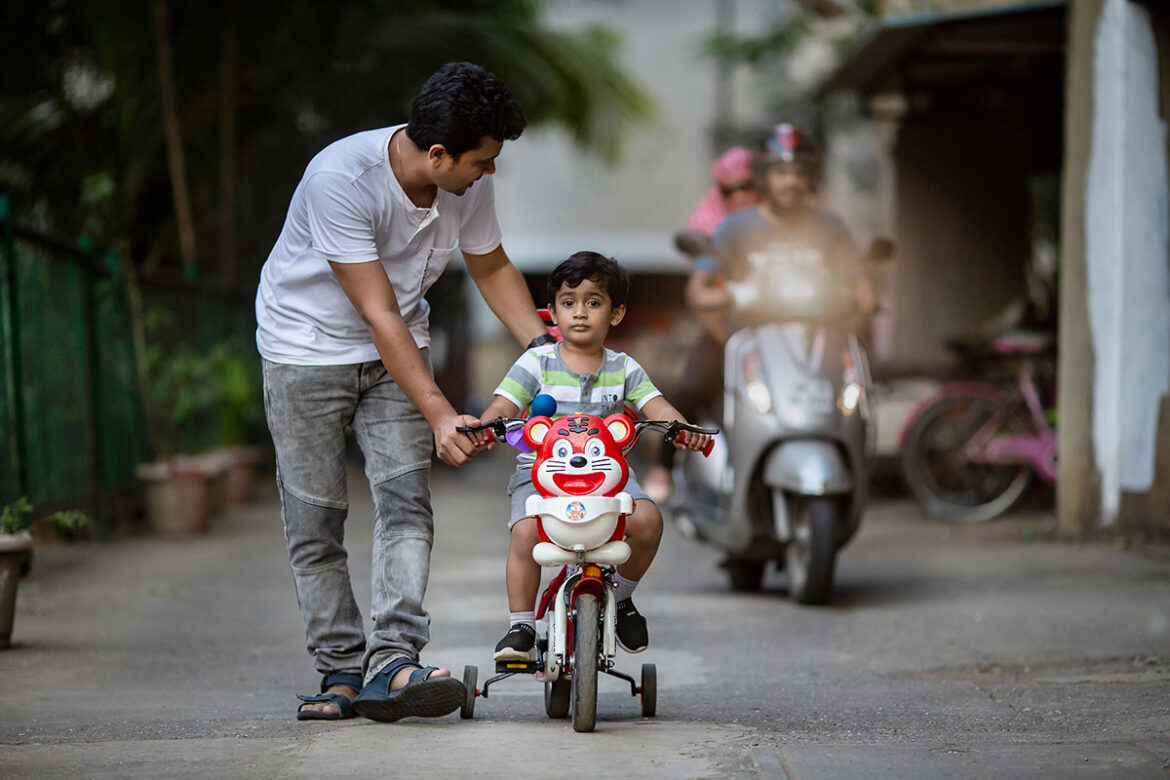
Image Courtesy Bernard van Leer Foundation

Two of Bernard van Leer Foundation’s (BvLF’s) recent partnerships are great examples of such cities taking on relevant interventions, with the aim of scaling them up across the city.

Last December, one of our partners, the Pune Municipal Corporation (PMC) worked with technical partners Taru and Ecofirst and architecture students from the Allana College of Architecture to make a busy city junction child- and family-friendly. The PMC chose the crossing in Wanawadi locality thanks to its proximity to a local garden, accessed regularly by young children and their families. Painting the pavements and zebra crossing in bright colours caught the attention of motorists, who began to transit more carefully through the area. On one side, the width of the footpath was taken up by a large transformer, forcing pedestrians to use the road. This patch was given a colourful buffer zone of over 100 metres so that vehicles stayed away from the footpath and walkers remained safe.

In Udaipur, the Udaipur Municipal Corporation along with technical partner ICLEI-SA worked on transforming a prominent community space in an old city neighbourhood. The space, which was crowded with vehicles and unclean, became a clean, colourful, and playful space for use by children and families living around it.

Such seemingly small, yet critical interventions can have a transformative impact on the lives of young children and families. Access to open spaces, greenery, parks and playgrounds, safe crossings, and places to rest and play in neighbourhoods can benefit their health and well-being. Ultimately, keeping the needs of the youngest in mind contribute to creating cities that work, not just for young children, but for all.

Rushda Majeed, India Representative, Bernard van Leer Foundation

Rushda is responsible for the Foundation’s work in India. Previously, she helped manage Bloomberg Philanthropies’ India Smart Cities Challenge, a competition to select 100 cities for central government funding as part of the country’s Smart Cities Mission. Rushda has led research in 11 countries for Princeton University’s Innovations for Successful Societies to analyze reforms that improve government performance and accountability. She has also served as a core team member on the re-election campaign of a two-term Member of Parliament, advised a World Bank team on case study research, and managed a global leadership program for a New York-city based non-profit.

Rushda has written numerous case studies on institutional reforms, and her writings on the subject have appeared in Foreign Policy magazine’s Democracy Lab. She has a master’s degree in international affairs from the School of International and Public Affairs at Columbia University and a bachelor’s degree in computer science from Eastern Kentucky University.

March 18, 2021 0 comment
0 FacebookTwitterPinterestEmail
ApparelProducts

#TOGETHERBAND Launches the first affordable 100% recycled loungewear collection, #TOGETHERWEAR on Global Recycling Day

by Team Conscious Carma March 18, 2021
written by Team Conscious Carma

18th March 2021 celebrates Global Recycling Day and marks the launch of #TOGETHERBAND’s 100% recycled loungewear collection, #TOGETHERWEAR. 

#TOGETHERBAND, the nonprofit campaign is powered by sustainable accessories brand, BOTTLETOP, with the aim of raising awareness and engaging 1bn worldwide with the 17 United Nations Sustainable Development Goals (SDGs). 

Taking a pioneering approach to repurposing materials is deeply rooted in BOTTLETOP’s DNA. The brand launched with a bag design made from waste leather and upcycled metal in collaboration with Mulberry in 2002. Beyond its best selling signature collection of bags and accessories made from up-cycled tabs the brand created couture recycled BOTTLETOP garments for performers at the opening Ceremony of the 2016 Rio de Janeiro Olympic games and launched the worlds first 3D printed waste plastic store on Regent St in 2017. BOTTLETOP is thrilled to now be launching the first affordable, recycled #TOGETHERWEAR loungewear collection for #TOGETHERBAND. 

The carefully curated gender-free collection features sustainable hoodies, sweatshirts, t-shirts and tote bags that are designed to raise consciousness of our route map for a healthy planet, the UN Sustainable Development Goals (SDGs) while inviting the fashion industry to move towards more circular supply chain management and use of recycled materials in product design at all costs. Available in black, white and dark grey, the #TOGETHERWEAR collection enables wearers to champion the SDGs while supporting select NGO’s that are carrying out critical work advancing the Goals on the ground through the #TOGETHERFUND.

The loungewear collection is crafted using 100% recycled yarns; 60% is made from recycled organic cotton collected from the textile industry – otherwise would’ve ended up in landfill – with the remaining 40% made from recycled plastic bottles (PET) collected locally to our production facility in India, which is powered by clean energy. When bonded together, these materials form a luxurious long lasting yarn. All products are certified under the Global Recycle Standard (GRS) and Organic Content Standard (OCS).

To ensure a fully transparent and sustainable supply chain, #TOGETHERBAND only uses GOTS approved dyes on its garments and when dying, uses less water also. All water discharge processes are certified to OekoTex 100 Classic I standard and conform to REACH, making them kinder to the environment. With all details considered, the packaging is 100% recycled and recyclable to continue its life cycle. 

Setting out to make high quality sustainable design as accessible as possible to all, the loungewear edit retails from £30 and is instantly recognisable with #TOGETHERBAND’s unique, illustrated #TOGETHER icon within the circle on the chest. A unique impact code and product details highlighting its support for UN Goal 12: Responsible Consumption & Production on the right sleeve along with information about the Goal that the colours in the design represent. 

The #TOGETHERWEAR collection retails from £30 is available at BOTTLETOP Regent Street and www.togetherband.org. 

#TOGETHER, ANYTHING IS POSSIBLE 

About BOTTLETOP:

BOTTLETOP is a British luxury sustainable fashion brand based in London. BOTTLETOP was launched with a mission to empower people and planet through sustainable design and creative culture.The brand began with handbags made from upcycled bottle tops in Kenya lined with leather offcuts and became international best sellers, supporting artisans and funding health education for young people in Africa.

They then discovered the beauty and versatility of upcycled metal ring pulls, and developed our signature chain mail fabric that makes up the BOTTLETOP DNA of today. They now have our own atelier and training programs in Brazil and Nepal and continue to source the finest sustainable and upcycled materials in challenged parts of the world.

The brand continues to support grass roots health, education and skills training projects through our BOTTLETOP FOUNDATION.

March 18, 2021 0 comment
0 FacebookTwitterPinterestEmail
numaligarh refinery
EconomyIndustry

Numaligarh Refinery Limited Implements Hexagon’s Operations Management Solution as Part of its Digital Transformation Initiative

by Team Conscious Carma March 17, 2021
written by Team Conscious Carma

Digitalizing the Operations workforce at the NRL refinery will enable NRL to not only see major advancements in the management of their daily operations but also ensure the best in market safety and sustainability standards.

Hexagon’s PPM division yesterday announced that Numaligarh Refinery Limited (NRL) has implemented the j5 Operations Management Solution (j5 OMS) to ensure safe, efficient and compliant operations of its industrial sites. 

This marks the acceleration of NRL’s digital transformation journey as the j5 OMS adoption helps the company create a digital shift logbook and digitalize shift operations. The new j5 OMS combines the data collected by the employees with the information from historians, providing NRL’s Operations team with a single source of truth for Operations.

Hexagon’s j5 OMS combined with the j5 Connector for AspenTech will empower the NRL team with advanced business operations and technology transfer capabilities. This will improve shift-to-shift communication and help NRL reduce the risk of hazardous incidents, equaling industry-wide shift handover recommendations by experts. NRL’s personnel also will be able to collect measurements or observations in the field with industry-standard mobile devices.

Mr S. K. Barua, MD at NRL, said, “Hexagon solutions will accelerate and support our digital transformation journey by enabling us to optimize our business operations. Hexagon solutions provide us with efficient, intelligent, and data-centric work processes with auditable traceability, supporting the entire facility lifecycle.”

“This partnership between NRL and Hexagon marks the first public service company j5 OMS adoption in India. Digitalizing the Operations workforce at the NRL refinery will enable NRL to not only see major advancements in the management of their daily operations but also ensure the best in market safety and sustainability standards. We look forward to the successful adaptation of the technology,” said Mr Chanpreet Sahni, Vice President for Hexagon’s PPM Division in India, following the inauguration ceremony.

About Hexagon

Hexagon is a global leader in sensor, software and autonomous solutions. They are putting data to work to boost efficiency, productivity, and quality across industrial, manufacturing, infrastructure, safety, and mobility applications. Their technologies are shaping urban and production ecosystems to become increasingly connected and autonomous – ensuring a scalable, sustainable future.

Hexagon’s PPM division empowers its clients to transform unstructured information into a smart digital asset to visualize, build, and manage structures and facilities of all complexities, ensuring safe and efficient operation throughout the entire lifecycle.

Hexagon (Nasdaq Stockholm: HEXA B) has approximately 21,000 employees in 50 countries and net sales of approximately 3.8bn EUR. Log on to their website to learn more at hexagon.com 

About Numaligarh Refinery (NRL)

The Numaligarh Refinery (NRL) is an energy company owned by Bharat Petroleum Corporation Limited, Government of Assam, and Oil India Limited, located in the Brahmaputra valley in the region of Assam. The commencement of commercial operations started in 2000, and in 2019, the Cabinet Committee of Economic Affairs approved the Numaligarh Refinery Expansion Project (NREP) to expand the production capacity. www.nrl.co.in

March 17, 2021 0 comment
0 FacebookTwitterPinterestEmail
the rug republic foot stool
Home DécorProducts

The Rug Republic ’s SS 21 collection: The Global Citizen Collection

by Team Conscious Carma March 16, 2021
written by Team Conscious Carma

The Global Citizen collection of the Spring/Summer 2021 collection very much embodies the ethos of The Rug Republic, the homegrown, sustainable home-fashion brand. A variety of designs and materials come together to form this comprehensive collection of styles inspired by the world.
 
True to form, The Rug Republic has let the pristine materials speak for themselves and used a lot of undyed wool and cotton to give a natural, rustic look. Pair this with the contemporary design philosophy and you have the perfect mix!” Constructions range from hand tufting all the way to Punjab dhurries giving a variety of looks, something for every home. Unfortunately, it seems like a majority of 2021 will also be spent under travel bans, but thanks to the Global Citizen collection, we can have a bit of the world right in our living rooms!” says, Raghav Gupta Director of eCommerce at The Rug Republic.

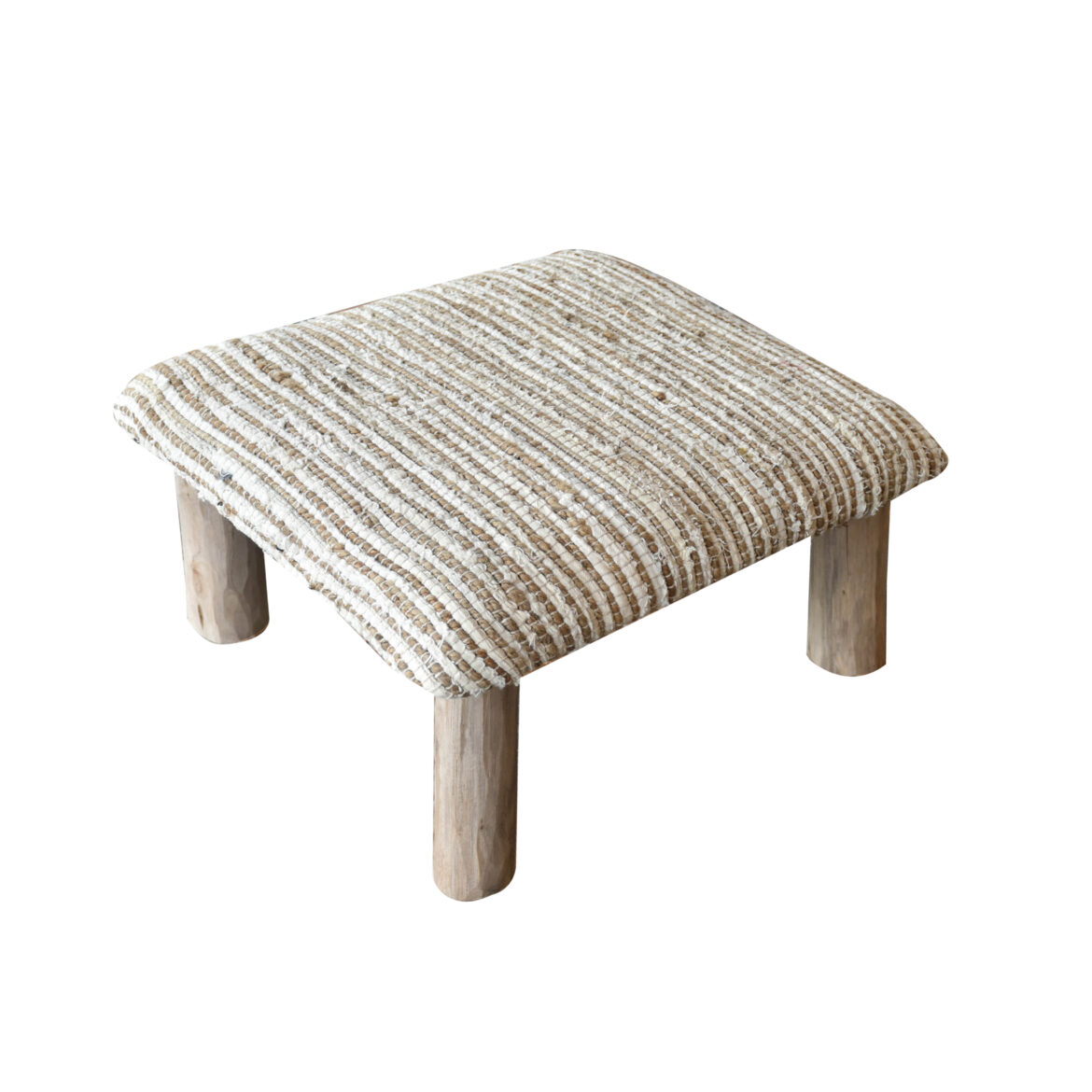
the rug republic foot stool

ARYA FOOTSTOOL: 

Arya footstool is crafted using recycled eucalyptus wood and upholstered using hand-woven recycled denim and hemp rug. A perfect footrest, Arya is a fabulous way to add versatility to a living area or bedroom. 

Price: INR 3,500

SPICA BENCH:

Spica Bench is made from recycled leather and Hemp and is wrapped around the eco-friendly eucalyptus wood frame. Use it in your entryway or in your living room. This earthy look bench is easy to match and always a crowd-pleaser. 

Price: INR 8,500

Availability:  www.therugrepublic.in 

Other Products

About The Rug Republic:

The Rug Republic’s origin can be traced to the year 1983 Its origin can be traced to year 1983 when entrepreneurs J.K. Gupta and Meenakshi Gupta set up a small unit with 6 weavers; now The Rug Republic (TRR) is an industry leader and the only global brand of handmade Indian rugs & accessories sold in over 85 countries, and directly or indirectly supporting around 5,000 families. Reduce, Recycle, Reinvent and be creative while saving the planet is motivating for The Rug Republic! The brand helps in this revolution by creating some amazing products from recycled materials and fabrics such as Denim, PET plastic bottles etc.

March 16, 2021 0 comment
0 FacebookTwitterPinterestEmail
ola electric scooter
EconomyIndustry

Ola is racing ahead to build the world’s largest two-wheeler factory on a 500-acre site in Tamil Nadu

by Team Conscious Carma March 15, 2021
written by Team Conscious Carma

India-headquartered Ola, one of the world’s leading mobility companies, has commenced construction of the world’s largest two-wheeler mega-factory on its 500-acre site. 

The company announced a Rs 2400 crore MoU with the Tamil Nadu government in December 2020 and rapidly completed the land acquisition in January this year. The company is racing ahead to operationalise its factory in the next few months. An estimated more than 10 million man-hours have been planned to bring the factory up in record time, with the first phase becoming operational in the coming months.

Through this entire process, Ola is maintaining its strong focus on sustainability. The company has ensured the conservation of the green belt in the area by preserving and transplanting the trees on site. Ola plans to have a large forest area within the site and reuse the excavated soil and rocks within the factory.

Ola’s mega-factory will have an initial capacity of 2M units a year in phase 1 and will serve as the company’s global manufacturing hub for its range of electric-powered scooters and two-wheelers across India and India and international markets including Europe, UK, Latin America, Asia Pacific, Australia and New Zealand.

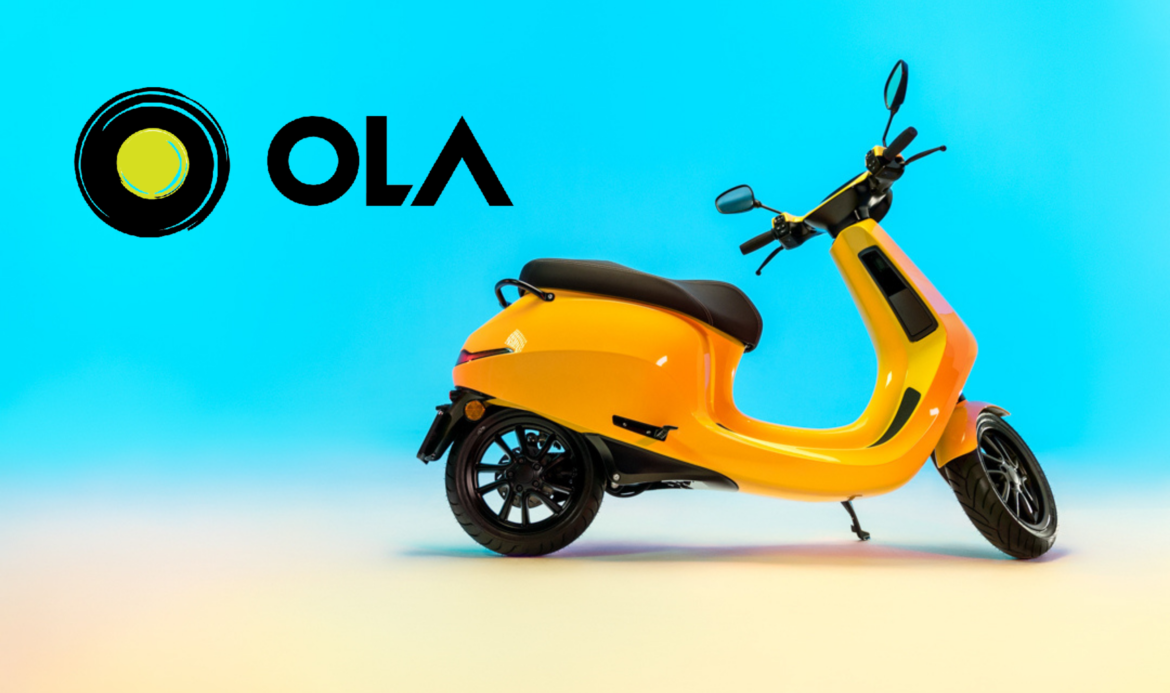
ola electric scooter

Expected to create 10,000 jobs, the factory will incorporate Industry 4.0 principles and will be powered by Ola’s own proprietary AI Engine and tech stack that will be deeply integrated into all its systems.

The factory is also expected to be the country’s most automated, with about 5,000 robots and automated guided vehicles in use once it is operational to its full capacity. The company has already brought on board global partners and suppliers as it works towards getting its factory, billed to be the world’s largest scooter factory, operational in the coming months.

Last year, it had acquired Etergo, a Dutch firm that has built a scooter that uses a swappable, high energy battery that delivers a range of up to 240 km (149 miles). The scooter’s built, design and efficiency are so impressive that its maker has been called “the Tesla of the scooter world” — by many.

Ola is close to launching the first in its range of electric scooters in the coming months. The scooter is expected to have great design, removable battery, high performance and range as well as a host of industry-first technology features. The scooter has already won several prestigious design and innovation awards including the IHS Markit Innovation award at CES and the German Design Award. 

About Ola

Ola is India’s largest mobility platform and one of the world’s largest ride-hailing companies, serving 250+ cities across India, Australia, New Zealand, and the UK including key global markets like London and Sydney. The Ola app offers mobility solutions by connecting customers to drivers and a wide range of vehicles across bikes, auto-rickshaws, metered taxis, and cabs, enabling convenience and transparency for hundreds of millions of consumers and over 2.5 million driver-partners. Ola’s mobility offering in India is supplemented by its electric-vehicle arm Ola Electric and its fleet management business Ola Fleet Technologies. Ola also extends its consumer offerings like micro-insurance and credit led payments through Ola Financial Services and a range of owned food brands with India’s largest network of cloud kitchens through Ola Foods. 

Source: OLA

Note: The content has been edited for style and length

March 15, 2021 0 comment
0 FacebookTwitterPinterestEmail
H&M new collection
ApparelProducts

The Science Story collection by H&M

by Team Conscious Carma March 14, 2021
written by Team Conscious Carma

Exploring the future of sustainable fashion

This year, H&M is launching Innovation Stories, a series of collections dedicated to promoting the use of new, more sustainable materials, technologies and production processes within the garment industry.

“Our new concept continues H&M’s journey towards a sustainable and circular fashion system. Innovation Stories allows us to develop and grow, all while creating desirable and long-lasting pieces that we hope our customers will love and be proud of”, says Ann-Sofie Johansson, creative advisor at H&M.

First up is Science Story, a collection that challenges the status quo by championing cutting-edge textiles developed by brilliant thinkers, researchers and scientists.

  • H&M apparel worn by a man

Did you know that prickly pear cactus can be used to make smooth vegan leather or that castor beans can be turned into ultra-light, stretchy fabric? Science Story introduces Desserto®, a plant-based leather made from organically grown cactus, and EVO by Fulgar®, a bio-based yarn derived from castor oil, a renewable resource.

“Innovation Stories is a platform that pushes our experimentation to the next level. The initiative encourages our work with scientists and developers and puts a spotlight on our progressive ideas. Science Story is a homage to the years of research and experiments behind these incredible materials”, says Ella Soccorsi, concept designer at H&M.

Science Story unites the energy of the present moment and the optimism promised by a sustainable future. The collection is built around modern and experimental garments made with innovative new textiles. The looks are elevated by unexpected design elements like flashy cutouts and adjustable details and tamed by a calm and refined palette of sky blue, pure white and mint green. Key pieces include bright white wide-leg jeans with a removable double waistband, a cropped collared shirt with an oversized breast pocket and a cuffed tracksuit. Bold, dynamic accessories inject a thrilling flash of colour and vitality. A few of our favourites are a chunky necklace made of interconnecting orange swirls and embellished with rhinestones, block-heeled acid yellow strappy sandals and double-framed blue sunglasses.

Every innovation is a step forward. Every positive change is an act of progress. Together, we have the power to shift the narrative of fashion toward a more sustainable future.

The Science Story collection will be available at hm.com from 18 March, 1 April US & Canada.  

Source: https://www2.hm.com/sv_se/life/culture/inside-h-m/science-story.html

Checkout other such Conscious Products from here

March 14, 2021 0 comment
0 FacebookTwitterPinterestEmail
EconomyGlobal

Denmark: World’s Most Eco-friendly Country

by Team Conscious Carma March 13, 2021
written by Team Conscious Carma

Home to World’s No. 1 & No. 2 Sustainable Corporations

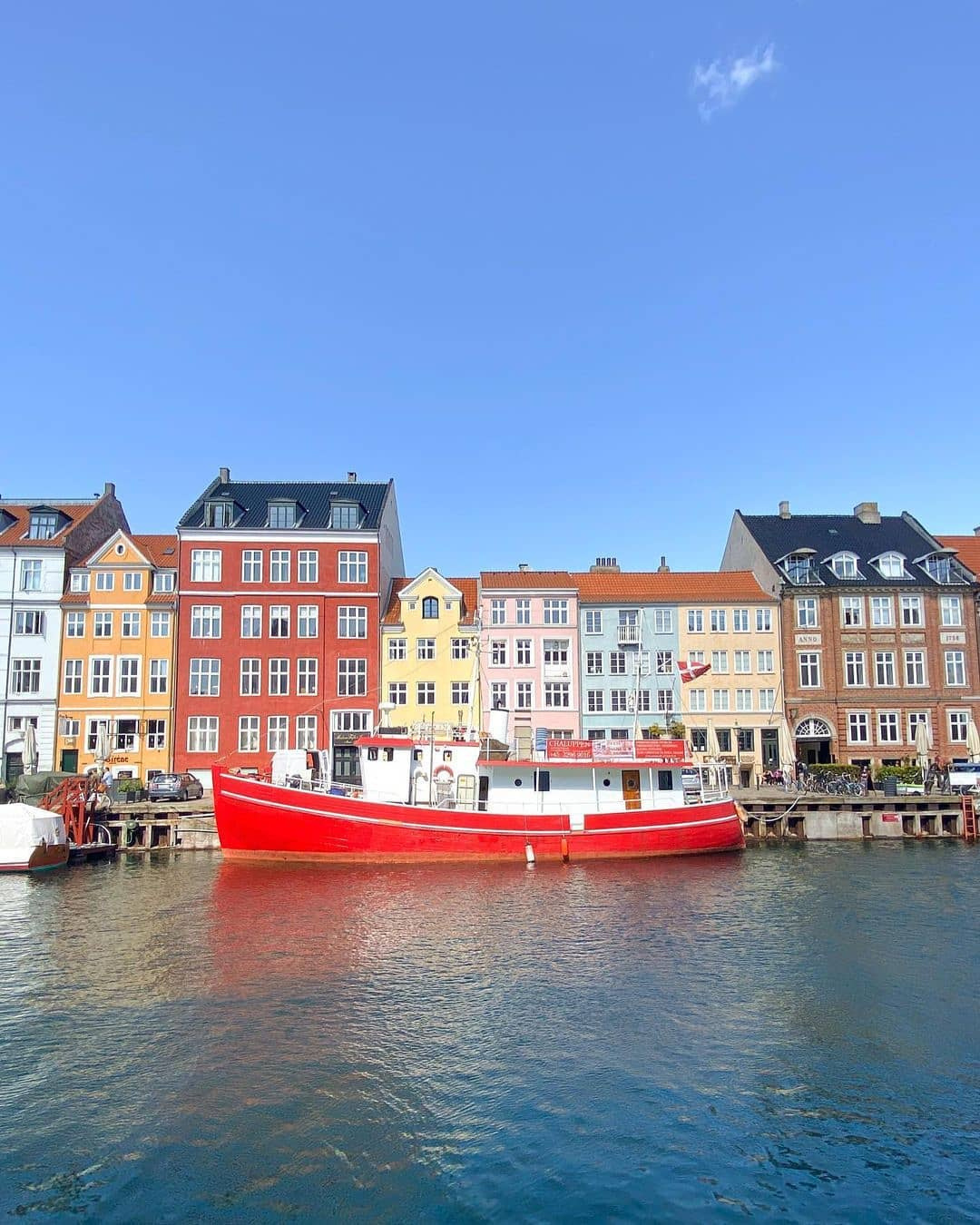
Denmark, in Northern Europe, is the World’s most eco-friendly country, according to the 2020 Environmental Performance Index (EPI). Now in its 22nd year, the EPI report has become the premier metrics framework for global environmental policy analysis ranking 180 countries on 32 performance indicators across 11 issue categories covering environmental health and ecosystem vitality.

Denmark is a constitutional monarchy ruled by a representative democracy. In 1971 Denmark established a Ministry of Environment and was the FIRST country in the world to implement an environmental law in 1973. The country shows consistent, cutting-edge commitments to clean green climate change initiatives.

“Denmark excels in almost every indicator of environmental health, having long made significant commitments to air quality, advanced sanitation, and safe drinking water. The highest-ranked country also stands out in solid waste management, with virtually all of the waste being recycled, composted, or incinerated. In addition, Denmark leads the world in the breadth and depth of its programs to tackle climate change, including a recently announced target of cutting its greenhouse gas emissions by 70% by 2030”, the report states.

Spread over an area of 42,924 square kilometres and a population of over 5.82 million, Denmark is considered to be one of the most economically and socially developed countries in the world. It has the lowest level of corruption in the world, a high level of income equality and one of the world’s highest per capita incomes. According to the International Monetary Fund, it has the world’s highest minimum wage, attributed to its powerful trade unions. A worker in a fast-food chain makes the equivalent of US$20 an hour, which is more than double what their counterparts earn in the United States, and have access to five weeks of paid vacation, parental leave and a pension plan.

Once a predominantly agricultural country, Denmark has greatly expanded its industrial base and service sector. By 2017, the Services sector contributed approximately 75% of GDP, manufacturing about 15% and agriculture less than 2%. Major industries include Wind Turbines, Pharmaceuticals, Medical Equipment, Machinery and Transport Equipment, Food Processing and Construction. Denmark is a major exporter of Food and Energy. Denmark ranks 10th most competitive economy in the world, according to the World Economic Forum’s Global Competitiveness Report 2018.

Denmark is a long time leader in wind power. The country aims for renewables to cover at least half of the country’s total energy consumption by 2030 and by 2050, Denmark aims to be a low-carbon society independent of fossil fuels. The country also exported roughly 460 million GJ of energy in 2018. It’s noteworthy to mention that Countries making concerted efforts to decarbonize their electricity sectors have made the greatest gains in combating climate change, with associated benefits for ecosystems and human health.

More than half of Denmark’s electricity came from wind and solar power in 2020, surpassing 2019 as the greenest year in Danish electricity history. In ten years, the share of wind and solar power in Danish electricity has doubled.

In order to achieve the country’s commitment to reduce 70% emissions by 2030 and becoming CO2 neutral by 2050, Denmark’s government has approved its plan to construct artificial renewable energy island in the North Sea, 80 kilometres off the coast of Jutland.

For the first phase- the artificial renewable energy island is set to have a capacity of 3 GW. This island will serve as a hub for approximately 200 offshore wind turbines to neighbouring countries’ electricity grids. In the future, the hub could be expanded to 10 GW which will allows the system to power 3 million homes in Europe.

This largest construction project in Danish history would be owned by a public-private partnership with the Danish state holding a majority stake. The island construction is expected to start in 2026 and targeted to operate in 2033.

Continue Reading
March 13, 2021 0 comment
0 FacebookTwitterPinterestEmail
Newer Posts
Older Posts

Recent Posts

  • India–UK Free Trade Agreement Opens Global Growth Opportunities for 3R ZeroWaste’s Circular Economy Solutions
  • Plastic Free July: Why True Sustainability Goes Beyond Swapping Plastic
  • From the Editor’s Desk: When Greed Takes Over Conscience
  • Beyond the Pose: Why Your Yoga Mat Needs a Sustainable Upgrade
  • Best Sustainable Father’s Day Gifts: Conscious Carma’s Exclusive Picks

Recent Comments

  • Team Conscious Carma on Label Shivika Agarwal – where craft meets sustainability
  • Cocomeister.jp on Label Shivika Agarwal – where craft meets sustainability
  • Team Conscious Carma on Equitable City Designs To Fight Climate Change
  • UN report calls for repurposing of USD 470 billion of agricultural support that distorts prices and steer us away from environment and social goals | Consciouscarma on UNEP & ICMR collaborate to boost understanding of environmental dimensions of antimicrobial resistance in India
  • Wild Earth : Natural body products | Consciouscarma on Sat.Suma : the true essence of flowers in your everyday skincare needs

Keep in touch

Facebook Twitter Instagram Youtube

Recent Posts

  • India–UK Free Trade Agreement Opens Global Growth Opportunities for 3R ZeroWaste’s Circular Economy Solutions

  • Plastic Free July: Why True Sustainability Goes Beyond Swapping Plastic

  • From the Editor’s Desk: When Greed Takes Over Conscience

  • Beyond the Pose: Why Your Yoga Mat Needs a Sustainable Upgrade

  • Best Sustainable Father’s Day Gifts: Conscious Carma’s Exclusive Picks

  • How Sacred Sound is Reshaping the Future of Holistic Health?

Categories

  • Community (38)
    • Campaigns (3)
  • CSR (4)
  • Economy (82)
    • Global (24)
    • Industry (42)
    • Innovations (4)
    • National (2)
  • Environment (48)
  • Expert Corner (48)
    • Authored Articles (47)
  • Featured (5)
    • Partners (1)
  • Global News (2)
  • Initiatives (31)
    • CSR (3)
    • Events (6)
  • Inspiration (22)
  • Lifestyle (9)
  • Media Coverage (6)
  • Press Releases (4,358)
  • Products (126)
    • Accessories (27)
    • Apparel (32)
    • Beauty (26)
    • Food (4)
    • Gifting (3)
    • Home Décor (15)
    • Skin-Care (14)
  • Reports (3)
  • Spirituality (10)
  • Sustainability (49)
  • Sustainable Startup Stories (28)
  • Travel (19)
  • Uncategorized (2)
  • Wellness (33)
    • Home Cleaners (3)

Archives

  • August 2026 (1)
  • July 2026 (1)
  • June 2026 (6)
  • October 2024 (1)
  • September 2024 (1)
  • July 2024 (2)
  • June 2024 (2)
  • May 2024 (1)
  • November 2023 (330)
  • October 2023 (554)
  • September 2023 (631)
  • August 2023 (718)
  • July 2023 (723)
  • June 2023 (710)
  • May 2023 (608)
  • April 2023 (114)
  • March 2023 (7)
  • February 2023 (3)
  • January 2023 (11)
  • December 2022 (18)
  • November 2022 (1)
  • August 2022 (6)
  • July 2022 (8)
  • June 2022 (24)
  • May 2022 (11)
  • April 2022 (19)
  • March 2022 (11)
  • February 2022 (11)
  • January 2022 (14)
  • December 2021 (10)
  • November 2021 (4)
  • October 2021 (14)
  • September 2021 (22)
  • August 2021 (12)
  • July 2021 (17)
  • June 2021 (17)
  • May 2021 (16)
  • April 2021 (22)
  • March 2021 (33)
  • February 2021 (16)
  • January 2021 (22)
  • December 2020 (10)
  • Facebook
  • Twitter
  • Instagram
  • Pinterest
  • Linkedin
  • Youtube

@2020 - All Right Reserved. Designed and Developed by Bizopser Technologies

Consciouscarma
  • Home
  • About Us
  • Products
  • Community
    • Campaigns
    • Inspiration
    • Initiatives
    • CSR
  • Features
    • Sustainable Startup Stories
    • Travel
    • Lifestyle
    • Partners
  • Economy
    • Industry
    • Innovations
    • National
    • Global
  • Environment
  • Expert Corner
    • Authored Articles
    • Reports
  • Magazine
  • Contact